
In the heart of North Africa, where bustling markets brim with fragrant spices and vibrant colors, a culinary tradition simmers quietly in kitchens and homes-Moroccan chickpea stew. This hearty dish, rich in history and flavor, weaves together the earthy warmth of chickpeas, the shining zest of preserved lemons, and an aromatic tapestry of cumin, coriander, and cinnamon. More than just a meal, it embodies a cultural narrative of resilience, community, and timeless hospitality.Join us as we unveil the story behind this flavorful tradition,exploring the ingredients,techniques,and stories that make Moroccan chickpea stew a beloved comfort food around the world.
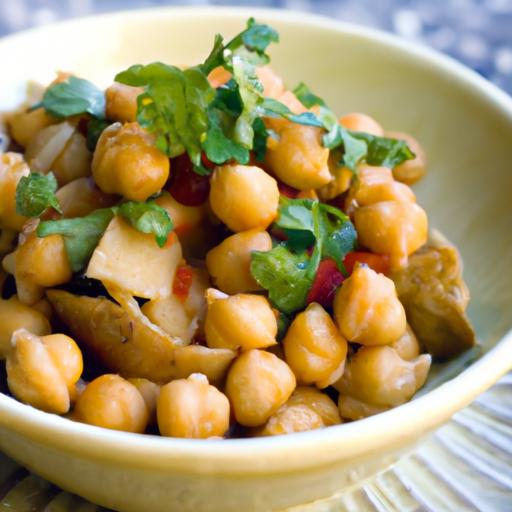
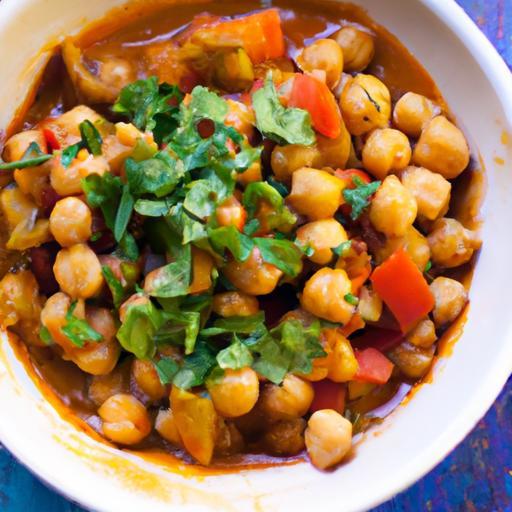
Hearty Moroccan Chickpea Stew is a soul-satisfying dish that weaves the rich tapestry of North African flavors with humble ingredients to create a uniquely aromatic and comforting meal. Originating from Morocco’s vibrant culinary heritage, this stew showcases the magic of slow-simmered spices, tender chickpeas, and fresh vegetables, offering a taste experience deeply rooted in tradition and communal sharing.
Prep and Cook Time
- Planning: 15 minutes
- Cooking: 45 minutes
- Total Time: 1 hour
Yield
serves 6 generously, perfect for family gatherings or meal prep that lasts throughout the week.
Difficulty Level
Easy – Ideal for cooks of all levels eager to explore Moroccan flavors.
Key Ingredients That Define Its Robust Flavor
- 2 cups dried chickpeas, soaked overnight and drained
- 1 large onion, finely chopped
- 3 garlic cloves, minced
- 2 medium carrots, diced
- 2 ripe tomatoes, chopped or 1 cup canned tomatoes
- 1 medium potato, peeled and cubed
- 4 cups vegetable broth or water
- 2 tablespoons olive oil
- 1 teaspoon ground cumin
- 1 teaspoon ground cinnamon
- 1 teaspoon ground paprika
- ½ teaspoon turmeric
- 1 teaspoon ground ginger
- ½ teaspoon cayenne pepper (adjust to taste)
- Salt and freshly ground black pepper, to taste
- Fresh parsley and cilantro leaves, roughly chopped for garnish
- Juice of half a lemon (optional, to brighten flavors)
Step by Step Guide to Crafting an Authentic Hearty Stew
- Prepare the chickpeas: Soak dried chickpeas overnight in cold water. Drain and rinse before cooking to soften and reduce cooking time.
- Sauté the aromatics: Heat olive oil in a heavy-bottomed pot over medium heat. Add the chopped onion and sauté until translucent, about 5 minutes. Stir in minced garlic and cook for another minute until fragrant.
- Toast the spices: Add cumin, cinnamon, paprika, turmeric, ground ginger, and cayenne pepper. Stir continuously for 1-2 minutes to bloom the spices and deepen the flavors without burning.
- Add the vegetables: Mix in diced carrots, chopped tomatoes, and cubed potato. Cook for 5 minutes, stirring occasionally to meld flavors and soften the tomatoes.
- Combine base and simmer: Pour in the vegetable broth or water and add the soaked chickpeas.Bring to a boil, then reduce heat to low, cover, and simmer gently for 40-45 minutes, until chickpeas are tender and vegetables are cooked through.
- Season and adjust: Taste and season with salt and freshly ground pepper. Stir in fresh lemon juice to enhance brightness, if desired.
- Finish with herbs: just before serving, sprinkle chopped parsley and cilantro over the stew for a fresh, vibrant contrast.
Expert Tips for Enhancing and Customizing your Dish
- Swap canned chickpeas: For quicker preparation, use 3 cups of canned chickpeas (drained and rinsed), reducing simmer time to 20 minutes.
- Boost protein: Add diced lamb or chicken during the sauté step for a non-vegetarian twist.
- Spice it up: Increase cayenne or add harissa paste for deeper heat and complexity.
- Make it creamy: Stir in a dollop of plain yogurt or a splash of coconut milk before serving for richness.
- Meal prep friendly: This stew tastes even better the next day as flavors meld. Store in airtight containers for up to 4 days.
- Pressure cooker option: Cook soaked chickpeas and stew ingredients under high pressure for 15 minutes to cut down cooking time drastically.
Serving Suggestions
This hearty Moroccan Chickpea Stew shines when served over fluffy couscous, warm crusty bread, or alongside fragrant saffron rice. Garnish with extra fresh herbs, a drizzle of good olive oil, and a wedge of lemon for diners to personalize their bite. Pair it with a crisp cucumber and tomato salad to balance the warm spices with fresh, cooling notes.

| Nutrient | Per Serving |
|---|---|
| Calories | 320 kcal |
| protein | 15 g |
| Carbohydrates | 45 g |
| Fat | 6 g |
For more North African inspiration, try our Moroccan Spiced lamb Tagine. To dive deeper into chickpea nutrition and benefits, visit Healthline’s complete guide.
Q&A
Q&A: Hearty Moroccan Chickpea stew – A Flavorful Tradition Unveiled
Q1: What makes Moroccan chickpea stew so special?
A1: Moroccan chickpea stew is a vibrant tapestry of flavors, textures, and aromas that come together in perfect harmony. What sets it apart is the unique blend of spices-cumin, coriander, cinnamon, and saffron-that infuse the humble chickpea with warmth and depth. It’s a dish that tells a story of Moroccan heritage, where every spoonful carries centuries of culinary tradition.
Q2: What are the key ingredients in this stew?
A2: At its heart, the stew features tender chickpeas simmered with tomatoes, onions, garlic, and fragrant spices like paprika, turmeric, and ginger. Often, slow-cooked vegetables such as carrots and potatoes are added, along with preserved lemons or olives, which bring a delightful tanginess. Fresh herbs like cilantro or parsley crown the dish, adding vibrant freshness.
Q3: How is this stew traditionally prepared?
A3: The magic begins with sautéing onions and garlic, releasing their fragrant oils. Spices are toasted gently to awaken their essence before adding the base of tomatoes and chickpeas. The stew then simmers slowly, allowing flavors to meld and deepen. Patience is key-a slow simmer brings out the stew’s hearty soul, making it richer and more comforting with every passing minute.
Q4: Is Moroccan chickpea stew suitable for various diets?
A4: Absolutely! This stew is naturally plant-based and gluten-free, making it a perfect choice for vegetarians, vegans, and anyone seeking nourishing comfort food. It’s hearty enough to satisfy meat-eaters too, often served alongside couscous or crusty bread to soak up its robust broth.
Q5: How is the stew traditionally enjoyed in Moroccan culture?
A5: Moroccan cuisine is all about sharing, and this chickpea stew is no exception. It’s typically served as part of a communal meal, where family and friends gather around the table. Frequently enough paired with warm flatbreads or fluffy couscous, each person scoops from the same pot, basking in the warmth of both food and fellowship.
Q6: Can the recipe be adapted or personalized?
A6: Definitely! The beauty of moroccan chickpea stew lies in its versatility. You can add meat such as lamb or chicken for a heartier version, or increase the spice for those who crave heat. Ingredients like raisins or dried apricots can lend a subtle sweetness, while nuts or preserved lemons add layers of texture and zing. It’s a dish that invites creativity while honoring tradition.
Q7: What’s the best way to serve and store this stew?
A7: This stew shines fresh but also tastes even better the next day, as the flavors continue to mingle. serve it hot, garnished with fresh herbs and a wedge of lemon for an extra burst of brightness. Leftovers keep well in the fridge for several days and can be frozen for up to three months, making it a perfect make-ahead comfort meal.
Q8: Why should one try making this stew at home?
A8: Cooking Moroccan chickpea stew at home is a sensory journey-a chance to explore exotic spices and techniques right from your kitchen. It’s comforting, nutritious, and incredibly rewarding. Plus, sharing this stew invites a connection to Moroccan culture, celebrating a tradition that’s as hearty as it is flavorful. Once you’ve tasted it, you’ll understand why it’s a beloved cornerstone of Moroccan hospitality.
Insights and conclusions
as the rich aroma of spices lingers in the kitchen and each spoonful of this hearty Moroccan chickpea stew warms the soul, we are reminded that food is more than sustenance-it is a vibrant thread connecting history, culture, and community.This flavorful tradition, steeped in centuries-old recipes and lovingly carried through generations, invites us to explore a world where simplicity meets boldness on the plate.Whether enjoyed by a bustling family dinner or savored quietly on a cool evening, the stew stands as a testament to the enduring power of comfort food to tell stories and nourish more than just the body.
So next time you simmer your own pot, know that you’re not just cooking a meal-you’re unveiling a timeless tale of Moroccan heritage, one hearty bite at a time.