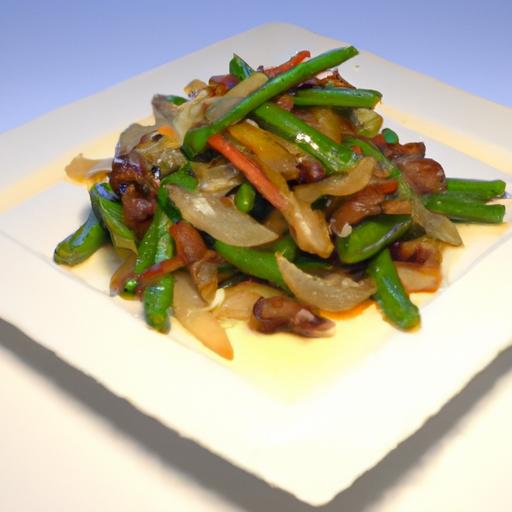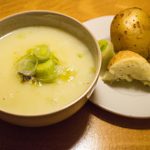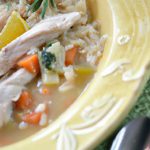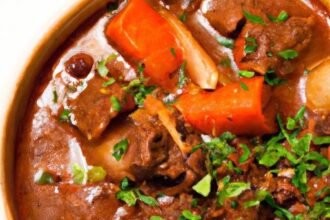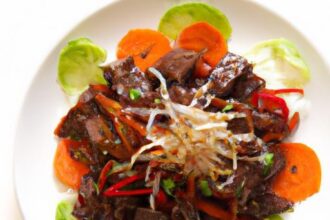

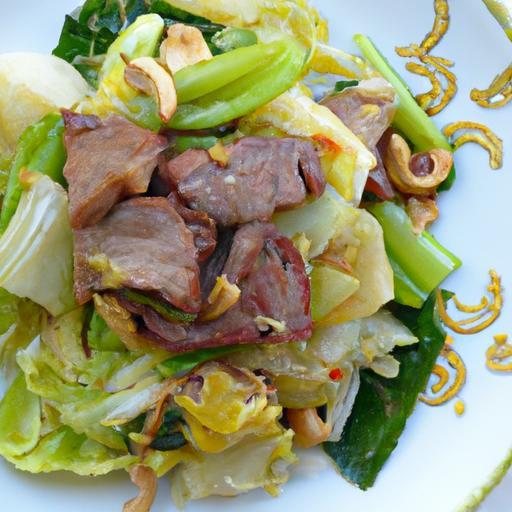
Step into a world where every bite tells a story, where the vibrant colors of fresh ingredients dance on your palate, and centuries-old traditions simmer in every pot. ”Savor the Flavors: Authentic Asian Cuisine Recipes Unveiled” invites you on an epicurean journey across Asia’s diverse culinary landscapes. From the fragrant spices of india to the delicate elegance of Japanese sushi, this article peels back the layers of authenticity to reveal recipes that bring the true essence of Asian cooking into your vrey own kitchen. Get ready to awaken your senses and master dishes that celebrate the rich heritage and bold flavors of one of the world’s most beloved cuisines.
Savor the Flavors: Authentic Asian Cuisine Recipes Unveiled opens a gateway to the rich culinary heritage of Asia, where each ingredient tells a story and every technique unlocks vibrant traditions. Among these treasures, the art of balancing fragrant spices, umami-packed sauces, and fresh herbs creates dishes that transcend mere sustenance, turning every meal into an unforgettable experience.
Prep and Cook Time
Preparation: 20 minutes Cooking: 25 minutes Total: 45 minutes
Yield
Serves 4 generous portions
Difficulty Level
Medium – approachable for home cooks ready to explore new flavors
Ingredients
- 2 cups jasmine rice, rinsed thoroughly
- 1 lb boneless chicken thighs, cut into bite-sized pieces
- 3 cloves garlic, minced
- 1 thumb-sized piece of fresh ginger, grated
- 1 large red chili, thinly sliced (adjust to spice preference)
- 1 cup coconut milk
- 2 tbsp soy sauce, naturally brewed
- 1 tbsp fish sauce
- 1 tbsp brown sugar
- 2 tbsp vegetable oil
- 1 medium red onion, thinly sliced
- 1 cup fresh Thai basil leaves
- 1 lime, cut into wedges
- salt to taste
- Fresh cilantro for garnish
Step-by-Step Cooking Instructions
- Cook the jasmine rice: In a medium pot, combine the rinsed rice with 2½ cups water. Bring to a boil, then reduce heat to low, cover, and simmer for 15 minutes. Remove from heat and let it rest, covered, for 10 minutes before fluffing with a fork.
- Heat vegetable oil in a large skillet over medium heat. Add the sliced red onion and sauté untill translucent, about 3 minutes.
- Add minced garlic and grated ginger. Stir constantly and cook until aromatic,approximately 1 minute. Be careful not to burn the garlic for a delicate, pleasant flavor.
- Increase heat to medium-high. Add the chicken pieces and cook until they start to brown, about 5-7 minutes, turning occasionally for even cooking.
- Pour in the coconut milk, soy sauce, fish sauce, and brown sugar. Stir gently to combine,then reduce heat and simmer for 10 minutes until the chicken is tender and the sauce thickens slightly.
- Stir in sliced red chili and half of the Thai basil leaves. Cook for another 2 minutes to allow the fragrant basil to infuse the dish.
- Season with salt to taste, then remove from heat.
- Serve the chicken curry over a bed of steamed jasmine rice. Garnish with the remaining Thai basil, fresh cilantro, and lime wedges on the side for squeezing over the dish.
Chef’s Notes and Tips for Success
- Ingredient quality counts: Use fresh Thai basil and authentic fish sauce for true Asian authenticity.
- Adjust chili intensity: If you prefer milder heat,remove the seeds from the chili or substitute with sweet bell peppers.
- Make ahead: This dish improves in flavor after a few hours – prepare it a day in advance and refrigerate for a layered taste experience.
- To make it vegetarian: Replace chicken with firm tofu or an assortment of mushrooms and use soy sauce or tamari instead of fish sauce.
- Rice tip: For perfectly fluffy jasmine rice, avoid lifting the lid during cooking - the trapped steam is key.
serving Suggestions
present the dish in rustic, shallow bowls that showcase the creamy sauce glistening over tender chicken chunks and fluffy rice.A final scatter of fresh cilantro and vibrant Thai basil leaves adds visual appeal and herbal brightness. Complement with simple sides like pickled vegetables or a crunchy cucumber salad to balance the rich coconut notes.
Pair this meal with a chilled glass of jasmine tea or a light, citrusy white wine to cleanse the palate. For an inviting table, place lime wedges in small bowls, encouraging guests to personalize their zest level.
| Nutrient | Per Serving |
|---|---|
| Calories | 480 kcal |
| Protein | 30 g |
| Carbohydrates | 50 g |
| Fat | 15 g |

Inspired to dive deeper? Explore our Guide to Essential Asian Ingredients for more kitchen wisdom.For further understanding of flavor harmony, visit this thorough flavor balancing resource.
Q&A
Q&A: savor the Flavors – Authentic Asian Cuisine Recipes Unveiled
Q1: What inspired the creation of “Savor the Flavors: Authentic Asian Cuisine Recipes Unveiled”?
A1: The inspiration came from a deep appreciation for the rich tapestry of Asian culinary traditions. Each dish tells a story-of culture,history,and vibrant local ingredients. This collection aims to bring those stories to your kitchen, transforming everyday cooking into an extraordinary cultural experience.
Q2: How do these recipes differ from typical Asian dishes found in restaurants abroad?
A2: Unlike many restaurant versions that adapt flavors to suit local tastes, these recipes stay true to authentic techniques and ingredients. The focus is on balancing flavors-sweet, sour, salty, bitter, and umami-just as it’s done in villages and street stalls across asia, offering a genuine taste that transports you straight to the source.
Q3: Are these recipes accessible for home cooks who may not have experience with Asian cooking?
A3: Absolutely! The recipes are thoughtfully crafted with clear steps and ingredient lists that include common substitutes. Whether you’re a novice or a seasoned cook, you’ll find approachable methods that build confidence and encourage experimentation with exotic spices and fresh herbs.
Q4: Can you give an example of a standout dish featured in the article?
A4: One standout is the Vietnamese Pho-a fragrant broth slow-simmered with star anise and cinnamon, paired with tender rice noodles and fresh herbal garnishes. It exemplifies the delicate layering of flavors and the warmth of home-cooked Asian meals that the article celebrates.
Q5: What role do conventional cooking techniques play in these recipes?
A5: Traditional techniques like wok tossing, steaming, and fermenting are central. They enhance the complexity of the dishes and preserve the integrity of ingredients. The article also shares tips on mastering these methods, helping readers unlock the soul of Asian cuisines through hands-on culinary artistry.
Q6: How does understanding the cultural background enhance the cooking experience?
A6: Food is a gateway to culture. Knowing the origins and importance behind dishes fosters greater appreciation and respect. It enriches your cooking journey, turning it from a mechanical process into an immersive exploration of history, geography, and family traditions that have shaped these beloved recipes.
Q7: What are some essential pantry staples recommended for cooking authentic Asian cuisine at home?
A7: Key staples include soy sauce, fish sauce, rice vinegar, sesame oil, miso, various dried mushrooms, ginger, garlic, lemongrass, and an array of fresh herbs like cilantro and Thai basil. Stocking these ingredients opens a world of flavors and allows you to experiment across multiple Asian culinary styles.
Q8: How can readers ensure they preserve authenticity without compromising their own tastes?
A8: Experimentation is encouraged! Start by following authentic recipes closely, then gently adjust seasoning or spice levels to suit your palate. Authenticity lies not just in strict adherence but in understanding and respecting the flavor principles,which empowers you to create personalized dishes that still honor tradition.
Q9: Does the article cover lesser-known Asian cuisines or focus on more popular ones?
A9: It offers a delicious balance. While classic favorites like Japanese ramen, Chinese dumplings, and Thai curries feature prominently, the article also shines a light on lesser-known gems-like Burmese tea leaf salad and Filipino adobo-broadening readers’ culinary horizons beyond the usual fare.
Q10: What is the ultimate takeaway for readers exploring ”Savor the Flavors: Authentic Asian Cuisine Recipes Unveiled”?
A10: That cooking authentic Asian food is more than a recipe-it’s an invitation to embrace a vibrant culture, awaken your senses, and create memorable meals. The article empowers you with knowledge, techniques, and inspiration, transforming your kitchen into a gateway for genuine Asian culinary adventures.
Embark on the journey. Taste authenticity. Savor the flavors awaiting you within each recipe.
In Summary
As you close this culinary journey through the vibrant tastes and timeless traditions of authentic Asian cuisine, let your kitchen become a gateway to new adventures.Each recipe unveiled hear is more than just a dish-it’s a story,a culture,and a celebration of flavors waiting to be shared. Whether you’re stirring fragrant spices,simmering rich broths,or rolling delicate dumplings,remember that authenticity comes from both respecting heritage and embracing your own creative touch. So go ahead, savor these flavors, and let every bite transport you to the heart of Asia’s diverse and delectable culinary tapestry. Your next masterpiece is just a recipe away.