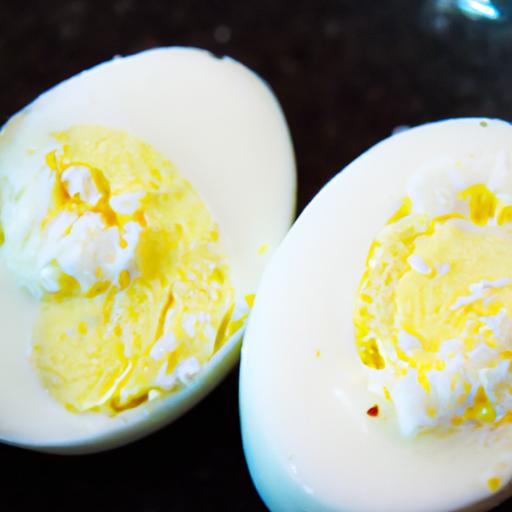

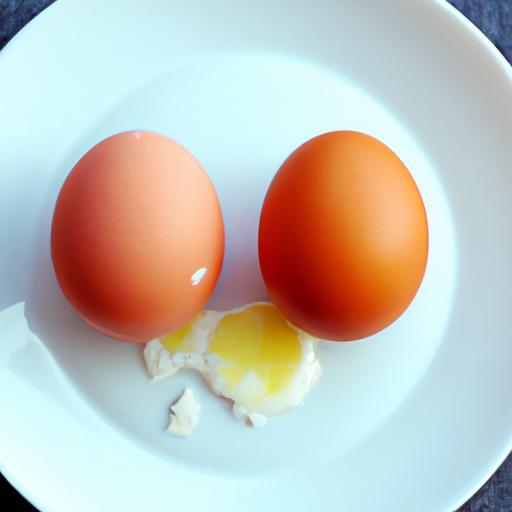
There’s something undeniably satisfying about cracking open a perfectly cooked boiled egg-its tender whites enveloping a creamy, golden yolk that promises both comfort and nourishment. Yet, achieving that flawless texture can often feel like a delicate dance of timing and temperature.Enter the oven: an unlikely hero in the quest for consistently ideal boiled eggs without the guesswork of stovetop boiling. In this simple guide, we’ll explore how to harness your oven’s gentle, even heat to craft perfectly cooked eggs every time, transforming this humble kitchen staple into a breeze of effortless culinary precision. Say goodbye to cracked shells and chalky yolks, and hello to your new favorite egg-cooking ritual.
perfectly cooked oven-boiled eggs deliver a consistently tender yet firm texture that elevates simple meals into culinary delights. Their unique cooking process unlocks nuanced flavors and textures seldom achieved by customary boiling methods. Whether you’re aiming for creamy, jammy yolks or firm, sliceable whites, selecting the right eggs and mastering heat control are essential to culinary success in the oven.
Prep and Cook Time
- Readiness: 5 minutes
- cooking: 30-40 minutes (depending on desired doneness)
- Total: 35-45 minutes
Yield
- Serves: 4-6 eggs (adjust quantity as needed)
Difficulty level
- Easy – beginner-friendly and forgiving technique
Ingredients
- 6 large fresh eggs (preferably organic or free-range for richer flavor)
- 1 tablespoon white vinegar (optional, helps with peeling)
- Ice water (for cooling post baking)
Choosing the Ideal Eggs
For perfectly cooked oven-boiled eggs, freshness is key but slightly older eggs (7-10 days) frequently enough peel easier post cooking due to reduced pH in the whites.Organic or pasture-raised eggs enrich flavor with complex subtle notes and better yolk color. Store your eggs at room temperature before cooking for even heat penetration, which is essential to avoid cracking during baking.
Step-by-Step Instructions
- Preheat your oven to 325°F (163°C), the sweet spot where eggs cook gently and evenly.
- place the eggs snugly in a standard muffin tin to prevent rolling and cracking during the bake.
- Optionally, sprinkle a teaspoon of white vinegar over the eggs in each cup to promote easier peeling later.
- Bake the eggs for 30 minutes for soft yolk, or up to 40 minutes for fully firm yolks with a creamy center.
- Immediately transfer the eggs into an ice water bath for 10 minutes to halt cooking and ensure clean peeling.
- Gently crack and peel under running water; this helps separate the shell without marring the delicate whites.
Unlocking Flavor and Texture Variations
The magic of oven boiling lies in controlling time and temperature to tailor your eggs’ texture. For silky, spreadable yolks, aim closer to 30 minutes, while extending the bake nearer 40 minutes yields a fully cooked but still creamy yolk ideal for salads or slicing. Try seasoning your eggs with smoked salts, cracked pepper, or a splash of infused oil after cooking to elevate flavor complexity.
Tips for Success
- Use a muffin tin to evenly space eggs and minimize risk of cracking during baking.
- Remove eggs promptly and chill in ice water to prevent overcooking and ease peeling.
- Experiment with baking times to find your perfect yolk texture – everyone’s preference varies!
- For a savory twist, sprinkle spice blends like za’atar or smoked paprika post peeling.
- Store peeled eggs in airtight containers for up to 5 days,perfect for meal prepping.
Serving Suggestions
Serve your perfectly cooked oven-boiled eggs sliced over a bed of peppery arugula with a drizzle of olive oil and flaky sea salt for brunch. Alternatively, halve them and top with tangy mustard mayo or avocado smash for vibrant snack plates. Garnish with microgreens, edible flowers, or a sprinkle of smoked paprika for eye-catching color and texture contrast.

| nutrient | Per Egg (Large) |
|---|---|
| Calories | 70 kcal |
| Protein | 6 g |
| Carbohydrates | 0.5 g |
| Fat | 5 g |
To deepen your egg expertise, check out our related guide on Hard-Boiled Egg Variations for creative ideas.For scientific insights into egg cooking science, visit ScienceDaily’s egg temperature study.
Q&A
Q&A: Perfectly Cooked Oven-Boiled Eggs – A Simple Guide
Q1: Oven-boiled eggs? Isn’t that an oxymoron? How dose one “boil” an egg in an oven?
Great question! Although “boil” usually means bubbling water, oven-boiling reimagines the process. Instead of submerging eggs in boiling water, the oven’s steady, enveloping heat cooks the eggs gently and evenly-much like slow-boiling-resulting in perfectly set yolks and tender whites without a pot in sight.
Q2: Why choose the oven method over traditional boiling?
Oven egg cooking is hands-off and foolproof. No watching the clock or fretting over water temperatures. You can cook a dozen eggs at once, great for meal prep or gatherings. Plus, there’s less chance of cracking shells from water jostling. Its convenience meets consistent culinary magic!
Q3: So, what’s the basic recipe for oven-boiled eggs?
Simply preheat your oven to 325°F (160°C), place eggs directly on the oven rack or in a muffin tin for stability, and bake for about 25-30 minutes.Once done, plunge them into an ice bath to stop the cooking instantly and make peeling a breeze.
Q4: Can I customize the doneness of oven-boiled eggs?
Absolutely! Want a jammy yolk that’s slightly runny? Try 20 minutes. Prefer fully hard-boiled eggs? Aim for 30 minutes. Remember, every oven varies, so a little experimentation helps you find your perfect timing.
Q5: Are there any tips for peeling eggs cooked this way?
Yes! The ice bath is key-it cools the eggs rapidly, causing the shell to contract slightly and loosen from the white. Also,using eggs that aren’t super fresh can help; slightly older eggs peel more easily regardless of cooking method.
Q6: Is this method energy-efficient or better for the environment?
If you’re cooking multiple eggs, the oven method can be more energy-efficient-one batch versus several batches of stovetop water boils. Plus, no stove-watching means less heat escaping into your kitchen, keeping things cooler on hot days.
Q7: Can I try this with other types of eggs, like duck eggs?
Definitely! Just adjust the baking time-duck eggs are larger and may need an extra 5-10 minutes.The gentle heat ensures even cooking whether it’s a chicken,duck,or even quail egg adventure.
Q8: any creative uses for oven-boiled eggs once they’re cooked?
Plenty! Think beyond breakfast: slice them into salads, mash them into deviled eggs, or chop for protein-packed sandwiches. Oven-boiled eggs also have a wonderfully creamy texture that elevates egg salad to gourmet status.
Q9: What’s the one thing to remember for success?
Patience and precise timing. the steady heat is the secret to that ideal texture, so keep your oven temp accurate and don’t rush the process. A trusty kitchen thermometer helps with oven calibration for consistent results every time.
So, ready to revolutionize your egg routine? Slide those shells onto a baking rack and let the oven work its quiet, gentle cooking magic!
to Wrap It up
Mastering the art of perfectly cooked oven-boiled eggs is simpler than you might think, and with this guide in hand, you’re now equipped to achieve consistent, delicious results every time. Whether you prefer your eggs soft and silky or firm and slice-ready,the oven offers a hands-off,foolproof method that frees up your stovetop and your mind. So go ahead-embrace this effortless technique, and elevate your breakfast, salads, and snacks with eggs cooked just right. Your taste buds (and your kitchen routine) will thank you!