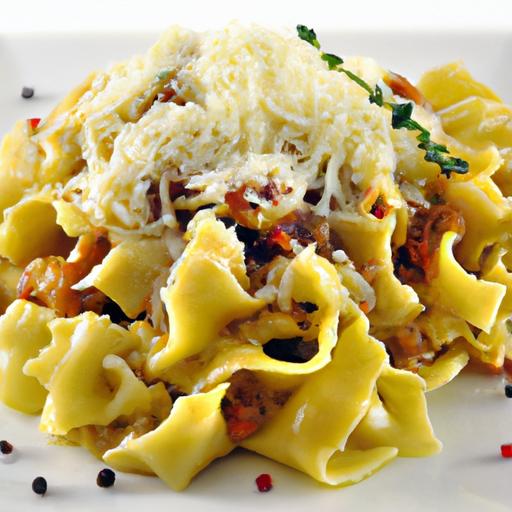

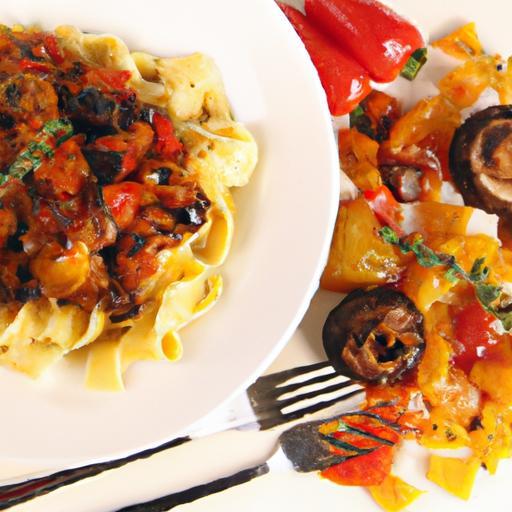
Pasta, a beloved staple that transcends borders, has long been a canvas for culinary creativity. From the sun-soaked hills of Italy to bustling street markets in Asia, every twist and twirl tells a story steeped in culture, flavor, and tradition. In this article, “Twist & Taste: Exploring Irresistible Pasta Dishes Worldwide,” we embark on a global gastronomic journey to uncover the vibrant variations of pasta that captivate palates across continents. Whether drenched in rich sauces, tossed with fresh herbs, or paired with unexpected ingredients, these irresistible pasta creations invite you to savor the diverse and tasty threads that weave together the world’s love for this iconic dish. get ready to explore, taste, and be inspired by pasta like never before.
Twist & Taste: Exploring Irresistible Pasta Dishes Worldwide invites you to embark on a culinary journey through some of the most authentic and innovative pasta traditions. Today, we dive into the rich heritage and inventive spirit behind classic pasta dishes, uncovering unique flavor profiles and perfect sauce pairings that bring regional character to your plate.Whether your craving the rustic charm of southern Italy or the unexpected flair of hidden culinary gems, this recipe captures the essence of pasta with a bold twist-Italian heritage meets modern creativity in every bite.
Prep and Cook Time
- Planning: 20 minutes
- Cooking: 25 minutes
- Total Time: 45 minutes
Yield
Serves 4 generous portions
Difficulty Level
Medium – perfect for cooks looking to refine classic techniques with creative flourishes
Ingredients
- 12 oz fresh pappardelle pasta (or wide ribbon fettuccine)
- 2 tbsp extra virgin olive oil
- 3 cloves garlic, finely minced
- 1 medium shallot, finely chopped
- 8 oz wild mushrooms (chanterelles, shiitake, or porcini), sliced
- 1/2 cup dry white wine
- 1 cup roasted butternut squash purée, smooth
- 1/2 cup grated Parmigiano-Reggiano
- 1/4 cup toasted walnuts, roughly chopped
- Fresh sage leaves (10-12), thinly sliced
- Salt and freshly cracked black pepper, to taste
- Optional: pinch of red chili flakes
- Zest of 1 lemon
- Fresh microgreens or baby arugula for garnish
Instructions
- Cook the pasta: Bring a large pot of salted water to a boil. Add the fresh pappardelle and cook until al dente, about 2-3 minutes. Reserve 1 cup of pasta water, then drain and set aside.
- Sauté aromatics and mushrooms: Heat olive oil over medium heat in a large skillet. Add garlic and shallot, cooking until fragrant and translucent, approximately 2 minutes. Add wild mushrooms and sauté until golden and tender, about 6-8 minutes, stirring occasionally to prevent sticking.
- Deglaze and simmer: Pour in the white wine, scraping any browned bits from the bottom.Let it reduce by half, around 3-4 minutes, concentrating the rich, earthy flavor.
- Incorporate squash purée: Stir in the roasted butternut squash purée and lemon zest,blending seamlessly with the mushroom mixture. If the sauce feels too thick, gradually add reserved pasta water until silky and coat your spoon.
- Add sage and walnuts: Mix in the thinly sliced sage leaves and toasted walnuts, allowing their aroma and texture to infuse the sauce gently. Cook for 2 minutes to marry flavors fully.
- Combine pasta and sauce: Add the drained pasta to the skillet, tossing delicately to coat every ribbon with the luscious sauce. Stir in Parmigiano-Reggiano, seasoning with salt, black pepper, and optional red chili flakes to enhance the depth.
- Plate and garnish: Transfer to warm plates, garnish with fresh microgreens or baby arugula, and a final sprinkle of Parmigiano-Reggiano for an elegant finish.
Chef’s notes
- Variation: Swap butternut squash purée for roasted sweet potato or carrot purée to alter sweetness and color dramatically.
- Make-ahead: Prepare the mushroom-squash sauce a day before and warm gently while cooking pasta for faster meal prep.
- Substitution: Use toasted pecans rather of walnuts for a buttery, slightly sweeter crunch.
- Troubleshooting: If the pasta seems dry, always reserve pasta water-it’s magic for loosening and enriching any sauce.
- Vegan option: Replace cheese with nutritional yeast or a sprinkle of toasted nutritional yeast flakes for umami without dairy.
Serving Suggestions
Serve this dish alongside a chilled glass of crisp Pinot Grigio or a lightly oaked chardonnay to complement the squash’s sweetness and earthiness of mushrooms. For an appetizer, pair with a fresh green salad tossed in lemon vinaigrette, featuring fennel and shaved radish for a peppery crunch. Garnish with microgreens for a vibrant, fresh burst that also elevates the visual appeal-truly embodying the spirit of Twist & Taste: Exploring Irresistible Pasta Dishes Worldwide.

| Nutrient | Per Serving |
|---|---|
| Calories | 420 kcal |
| Protein | 14 g |
| Carbohydrates | 58 g |
| Fat | 12 g |
For a deeper dive into pasta-making techniques and transforming classic recipes with creative flairs, visit our Classic Pasta Techniques article. Enhance your knowledge further by exploring the rich history and regional variations of pasta on Britannica.
Q&A
Q&A: Twist & Taste – Exploring Irresistible Pasta Dishes Worldwide
Q1: what inspired the concept behind “Twist & taste”?
A1: the idea stems from pasta’s incredible versatility and global reach. While it’s often thought of as Italy’s pride, pasta has been lovingly adapted by cultures worldwide, each adding their own twist to this humble dough. “Twist & Taste” aims to uncover these unique interpretations, inviting readers to explore pasta beyond borders and savor every bite of its international journey.
Q2: How do pasta dishes differ across various cultures?
A2: Pasta’s essence-a simple dough transformed into myriad shapes-is a global canvas. Though, cultural influences define flavors and presentations. In Italy, classic sauces like Carbonara and Pesto shine, whereas in Japan, you’ll find delicate Mentaiko Spaghetti combining creamy spice with subtle umami. In Mexico, pasta gets a zesty makeover with chipotle-infused sauces. Each culture’s palate, ingredients, and culinary history twist the pasta experience in deliciously distinct ways.
Q3: What’s one surprising pasta dish from around the world that readers should try?
A3: One standout is South Africa’s “Cape Malay bobotie Pasta.” Imagine rich, curried bobotie flavors-normally in a baked minced meat dish-mingling with al dente pasta for an unexpected fusion that’s both comforting and exotic.This dish epitomizes how pasta absorbs and elevates local tastes, creating a delightful surprise for adventurous eaters.
Q4: Are there any universal tips for cooking pasta to perfection,regardless of the recipe?
A4: Absolutely! First and foremost,generous salted water is crucial-it seasons the pasta from within. Always cook pasta “al dente,” meaning it still has a slight bite-this texture balances perfectly with sauces and keeps the dish lively. Resist rinsing pasta after draining; the starches cling to sauces, enhancing flavor and texture. And lastly, reserve a cup of pasta water to adjust sauce consistency-this simple trick works wonders worldwide!
Q5: How can readers experiment with pasta at home to embrace global flavors?
A5: Start by picking a pasta shape that complements your chosen cuisine-long strands for light, delicate sauces or ridged tubes for hearty, chunky ones.Then, explore spices, herbs, and ingredients intrinsic to that culture-think kimchi for Korea, harissa for North Africa, or fresh basil for Italy.Don’t hesitate to combine customary elements with local produce.Cooking is a canvas; let your palate be the brush to create your own twists and tastes!
Q6: Where do you see the future of pasta heading in the global culinary scene?
A6: Pasta’s future is vibrant and boundary-pushing. With increasing interest in plant-based diets, expect innovative pasta made from legumes, vegetables, and ancient grains. Fusion cuisines will continue to inspire novel flavor combinations, and technology might even transform pasta shapes and textures.But at its heart, pasta will remain a delicious, comforting staple-ever ready to twist and taste its way into new cultural chapters.
This Q&A invites readers to celebrate pasta’s worldwide diversity while equipping them with insights and inspiration to embark on their own flavorful adventures.
Wrapping Up
As we’ve journeyed through the vibrant tapestry of pasta-from Italy’s classic heartwarming recipes to unexpected twists found in kitchens around the globe-it’s clear that this beloved staple is so much more than just a meal. Each dish tells a story, a marriage of culture, tradition, and innovation that invites us to savor every bite with curiosity and joy. So next time you twirl your fork, remember: pasta isn’t simply food; it’s a passport to global flavors waiting to be explored. Embrace the endless possibilities, and let your taste buds embark on their own delicious adventure. After all, with pasta, there’s always a new twist to discover.