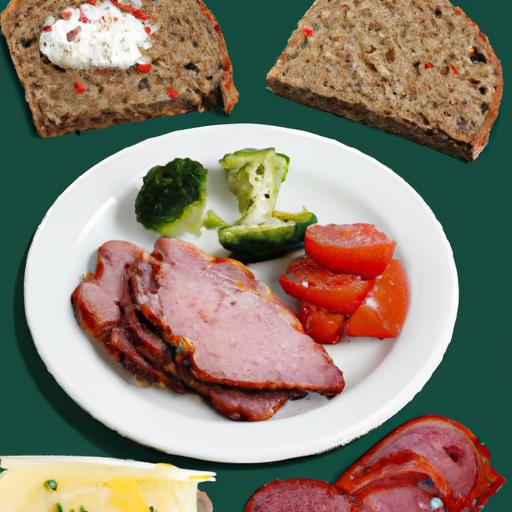

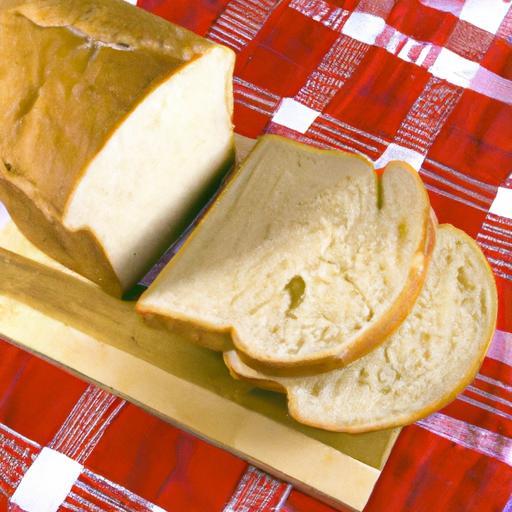
There’s something profoundly satisfying about the humble act of breaking bread-a timeless ritual that brings people together, warms the heart, and fills the home with irresistible aromas. Whether you’re a seasoned baker or an adventurous beginner, “Breaking Bread: Delicious Recipes for Every Oven and Taste” invites you on a flavorful journey through the art and joy of bread-making. From crusty artisan loaves to soft,sweet buns,and everything in between,this collection celebrates the diversity of ovens and palates alike. Prepare to explore creative techniques,tantalizing flavors,and foolproof recipes that transform simple ingredients into edible works of love,perfectly suited for every kitchen and appetite.
Choosing the Perfect Flour for Your Bread Adventure
Breaking Bread: Delicious Recipes for Every Oven and Taste begins at the heart of the loaf – the flour. Selecting the right flour can transform your baking experience, impacting texture, rise, and flavor in stunning ways. Whether you’re drawn to the rustic chewiness of a whole wheat loaf or the delicate crumb of a classic white bread, understanding flour types is your frist step to bread perfection.
For a flavorful crust and tender crumb, bread flour is often the gold standard. Its higher protein content (typically 12-14%) builds gluten strength, creating elasticity essential for airy, chewy bread. If you aim for softer, more delicate loaves or sandwich-style bread, all-purpose flour with a moderate protein content offers versatility without sacrificing rise.
Whole grain flours, like whole wheat or rye, bring robust flavor and dense texture but may require a blend with bread flour to improve elasticity and rise. For gluten sensitivity, option flours such as spelt or specially formulated gluten-free blends can add delicious complexity without compromise.
Mastering Oven Temperatures for Ideal Crust and crumb
Achieving the perfect crust and crumb is an enchanting alchemy of heat and timing. Start by preheating your oven to a roaring 450°F (232°C) to jump-start the oven spring-the critical burst of rise that gives bread its light texture. After the initial 10-15 minutes, lower the temperature to around 400°F (204°C) to gently finish baking the interior without burning the crust.
For deeper crust color and a scintillating crunch, introducing steam in the first baking minutes is essential. Place a tray of water at the oven’s bottom or use a spray bottle to mist the oven walls just after placing the loaf inside. This moisture keeps the crust pliable before crisping beautifully as steam dissipates.
Every oven is unique, so keep a baking thermometer handy to ensure your temperature is accurate-this can make or break your bread’s final character in your Breaking Bread: Delicious Recipes for Every Oven and Taste journey.
Exploring Flavor variations to Suit every Palate
Bread is a canvas for creativity-infuse your dough with herbs like rosemary or thyme for aromatic warmth, swirl in roasted garlic for savory depth, or fold in dried fruits and nuts to invite sweetness and crunch.Experimenting with sourdough starter or incorporating whole grains awakens complex tang and texture that can elevate even the simplest loaf.
Different salts, from flaky sea salt to smoked varieties, can finish your bread with an unexpected pop of flavor. Consider also brushing your crust with melted butter or olive oil post-bake for a rich, inviting sheen and flavor boost.
Timeless Techniques and Tips for Baking Success
patience and precision are the baker’s best allies. Always weigh your flour and water for consistency and use warm-not hot-liquids to activate your yeast optimally. Kneading develops gluten, creating structure; when done right, dough should become smooth and elastic, springing back gently to the touch.
Allow your dough to ferment and proof in a warm, draft-free spot; slow fermentation overnight in the fridge can deepen flavor incredibly.When shaping, be gentle to preserve air pockets, and score your loaf just before baking with a sharp blade to control expansion and produce stunning patterns.
Prep and Cook Time
- Prep Time: 20 minutes
- Rise Time: 1.5 – 2 hours (or overnight for cold proof)
- Bake Time: 30-35 minutes
- Total Time: Approximately 2 hours 45 minutes
Yield
1 large rustic loaf,serving approximately 8 slices
Difficulty Level
Medium – perfect for enthusiastic home bakers ready to deepen their craft
Ingredients
- 3 1/2 cups bread flour,sifted
- 1 1/4 cups warm water (105°F-110°F)
- 2 tsp active dry yeast
- 2 tsp sea salt
- 1 tbsp olive oil (optional,for softer crumb)
- 1 tsp sugar or honey (to feed the yeast)
- Optional: 2 tbsp chopped fresh rosemary or 1/4 cup toasted walnuts for flavor variation
Instructions
- Activate the yeast: In a small bowl,combine warm water,sugar,and yeast. Stir gently and let sit for 5-10 minutes until foamy.
- Mix the dough: In a large bowl, combine sifted bread flour and salt. Create a well in the center and pour in the yeast mixture and olive oil. Stir until a shaggy dough forms.
- Knead: Turn dough onto a floured surface. Knead for 8-10 minutes until smooth and elastic. Add a bit more flour if sticky,but avoid over-flouring.
- First rise: Place dough in a lightly oiled bowl,cover with a damp towel or plastic wrap. Let rise in a warm spot for 1-1.5 hours,until doubled in size.
- Shape the loaf: Gently deflate dough and shape into a round boule or oval. Place on parchment-lined baking sheet or a floured banneton basket.
- Final proof: Cover and let rise 30-45 minutes until visibly puffed. Preheat oven to 450°F (232°C) with a baking stone or sheet inside.
- Score the loaf: Using a sharp razor or bread lame, score the surface to allow controlled expansion.
- Bake with steam: Place dough in oven,add a tray of hot water below for steam or mist oven walls quickly. Bake 10 minutes at 450°F, then reduce to 400°F (204°C) and continue baking 20-25 minutes until golden and hollow-sounding when tapped.
- Cool: Transfer bread to a wire rack and cool fully before slicing to allow crumb to set.
Tips for Success
- Flour substitutions: Swap up to 30% of bread flour with whole wheat for nuttier flavor; increase water slightly for hydration.
- cold fermentation: After kneading, refrigerate dough overnight to develop deeper complexity and easier handling.
- Over-proofing: To avoid flat loaves, test proof using the “finger poke” method – gentle pressure should spring back slowly.
- Make-ahead: Baked bread keeps well wrapped at room temperature for 2-3 days or frozen up to 3 months.
- Steam alternatives: Use a cast iron skillet with water, or toss a few ice cubes mid-bake for burst of steam.
Serving Suggestions
Slice this artisanal bread warm, slather with high-quality butter, or pair it with a robust cheese board featuring aged cheddar, creamy brie, and olives.Garnish with fresh rosemary sprigs or flaky sea salt for elegant presentation. Toast slices for breakfast topped with smashed avocado and a sprinkle of chili flakes or serve alongside hearty soups and stews to soak up every comforting drop.

| Nutrient | Per Serving (1 slice) |
|---|---|
| Calories | 180 kcal |
| Protein | 6 g |
| Carbohydrates | 36 g |
| Fat | 2 g |
For more on baking tips, see our Artisan Bread Techniques Guide. For expert scientific insights on flour and gluten, visit King Arthur Baking.
Q&A
Q&A: Breaking Bread – Delicious Recipes for Every Oven and Taste
Q1: What inspired the creation of “breaking Bread: Delicious Recipes for Every Oven and Taste”?
A1: Bread is more than just food-it’s a universal symbol of community, culture, and comfort. “Breaking Bread” was born from a desire to celebrate this timeless staple in all its glorious forms. Whether you have a rustic wood-fired oven or a trusty countertop toaster oven, this collection embraces the diversity of baking methods and palates around the world.
Q2: Dose the book cater to beginners or more experienced bakers?
A2: One of the beauties of “Breaking Bread” is its inclusivity. it offers recipes and tips for every skill level, from the nervous first-timer hesitant to knead flour, to the seasoned baker looking to perfect their sourdough or experiment with international flavors. Step-by-step guides and clever troubleshooting tips ensure success for all.
Q3: What types of ovens does “Breaking Bread” cover?
A3: true to its title, the book honors the versatility of bread-making by including recipes tailored for conventional ovens, convection ovens, toaster ovens, and even microwave ovens for quick flatbreads. There are also sections dedicated to artisanal methods like brick ovens and Dutch ovens, proving you don’t need a fancy setup to create magic with dough.
Q4: Are there gluten-free or alternative grain options?
A4: Absolutely! Recognizing the diverse dietary needs and adventurous tastes of modern bakers, “Breaking Bread” features gluten-free recipes and also breads made from ancient grains like teff, quinoa, and buckwheat. These chapters highlight how texture and flavor can be just as captivating without traditional wheat flour.
Q5: How does the book incorporate international bread traditions?
A5: Bread is a passport-each recipe brings readers on a flavorful journey from the fluffy Japanese milk bread to the smoky Ethiopian injera, the hearty German rye to the delicate French brioche. cultural anecdotes accompany each recipe, deepening the connection between baker, bread, and heritage.
Q6: Are there tips for customizing recipes to suit personal taste?
A6: Yes! “Breaking bread” champions creativity and personalization. Many recipes include suggestions for add-ins like nuts,seeds,dried fruit,or herbs. Readers are encouraged to play with fermenting times, hydration levels, and seasoning adjustments to craft loaves that resonate with their own tastes and ovens.
Q7: Why is breaking bread still so significant today?
A7: In our fast-paced, digitally driven world, bread-making offers a slow moment of mindfulness-a ritual connecting us to history, nature, and each other. Sharing bread fosters conversation, generosity, and warmth. This book invites readers not only to bake but to savor those shared moments that remind us why bread has nourished humanity for millennia.
Q8: What’s one tip from the book that can immediately improve my bread baking?
A8: Never underestimate the power of patience. A slow, well-timed rise can transform a dense dough into a light, airy masterpiece with a perfect crumb. Embracing time as a key ingredient turns baking into a rewarding dance between science and soul.
Ready to embark on a delicious adventure? Your perfect loaf awaits in “Breaking Bread: Delicious recipes for Every Oven and Taste.”
Closing Remarks
As the aroma of freshly baked bread fills your kitchen and the last crumb disappears from your plate, remember that breaking bread is more than just a culinary act-it’s a celebration of tradition, creativity, and connection. Whether you’re wielding a trusty Dutch oven, warming up a countertop toaster, or experimenting with gluten-free mixes, the recipes shared hear invite you to explore flavors and textures as diverse as the ovens you bake in. So go ahead, dust off your apron, preheat that oven, and let each loaf you craft become a delicious story of comfort and discovery. After all, every slice is an invitation to savor, share, and enjoy the timeless joy of baking.