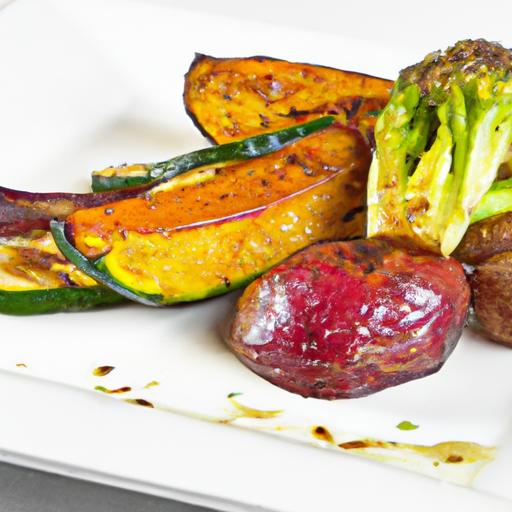

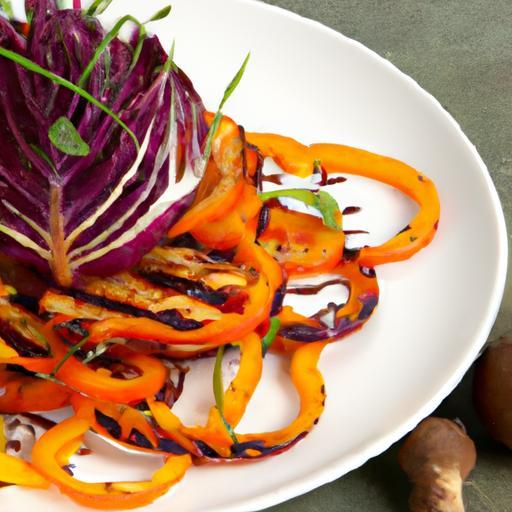
There’s something undeniably magical about vegetables kissed by the heat of an oven-transforming humble roots and greens into caramelized, tender morsels bursting with rich, layered flavors. Unlocking that perfect balance of crispy edges and melt-in-your-mouth centers is both an art and a science, a culinary ritual that elevates simple ingredients into unforgettable dishes. in this exploration of oven roasting, we’ll delve into the secrets that turn everyday vegetables into flavor-packed masterpieces, revealing techniques and tips that promise to revolutionize your roasting game and awaken your palate. Get ready to discover how mastering the oven can unlock a whole new world of taste and texture in your favorite veggies.
Selecting the Ideal Vegetables for Optimal Roasting Results
Unlocking flavor in your oven roasted vegetables begins with selecting the freshest, firmest produce-each vegetable playing a crucial role in developing vibrant tastes and textures. root vegetables like carrots, sweet potatoes, and beets deliver natural sweetness and caramelization, while cruciferous options such as broccoli, Brussels sprouts, and cauliflower offer slight bitterness that crisps beautifully at high heat. For tender centers combined with rich, crispy edges, aim for vegetables with varying moisture contents but similar roasting times, or cut vegetables into uniform pieces sized to cook evenly.
Seasonal availability also impacts final flavor; the sweeter the vegetable, the more pronounced its natural sugars, making autumn and winter root crops a top choice for deeply savory results. To ensure vibrancy, avoid overly watery vegetables like zucchini or mushrooms unless roasted separately or at lower temperatures.
Mastering the Seasoning Blend to Elevate Natural Flavors
Unlocking flavor means knowing how to enhance each vegetable’s inherent taste with the perfect seasoning blend. A basic combination includes extra virgin olive oil, sea salt, freshly ground black pepper, and garlic powder, coaxing out earthiness while providing a golden sheen.For more complexity, add smoked paprika or cumin to introduce subtle warmth, or fresh herbs such as rosemary, thyme, and sage tossed in near the end of roasting to preserve their fragrance.
Balancing acidity is key-finish with a squeeze of lemon juice or a drizzle of balsamic vinegar just before serving to awaken all the layers of flavor. For a touch of sweetness, a light dusting of brown sugar or a splash of maple syrup melds beautifully with roasted root vegetables, enhancing caramelized edges.
Temperature and Timing Secrets for Crispy Edges and Tender Centers
To truly master the art of unlocking flavor, roasting at the right temperature is essential. Preheat your oven to a scorching 425°F (220°C) to encourage caramelization and crispy edges while sealing in moisture for tender cores. Spread vegetables in a single layer on a rimmed baking sheet lined with parchment or a silicone mat to prevent steaming. Crowding the pan causes uneven cooking and soggy results.
Most root vegetables need about 30-40 minutes, turning halfway through for even browning. Cruciferous veggies cook slightly faster, around 20-25 minutes. Keep a close eye during the final 5 minutes to achieve that coveted golden crust without burning. If texture varies greatly, consider roasting different vegetables in staged batches or segregate by cooking time.
finishing Touches to Transform Roasted vegetables into Culinary stars
Once emerging from the oven, the secret to elevating these oven roasted vegetables from simple side dishes to culinary stars lies in the finishing touches. Sprinkle with toasted nuts or seeds-such as pine nuts, pumpkin seeds, or chopped almonds-for added crunch and flavor contrast. A light grating of Parmesan or Pecorino cheese adds umami richness, melting slightly over the warm vegetables.
Fresh herbs like chopped parsley,chives,or basil contribute a shining herbal note,while a drizzle of high-quality finishing oil such as walnut or avocado oil introduces silkiness. For an unexpected pop, toss with pomegranate seeds or dried cranberries to balance savory with tart sweetness, creating a dish that’s as visually stunning as it is delicious.
Prep and Cook Time
- Preparation: 15 minutes
- Roasting: 30-40 minutes (depending on vegetable choice)
- Total: Approximately 45 minutes
Yield
Serves 4 as a generous side dish
Difficulty Level
Easy – Perfect for beginners and seasoned cooks alike
Ingredients
- 2 large carrots, peeled and cut into 1-inch sticks
- 1 medium sweet potato, peeled and cubed
- 1 small head broccoli, cut into florets
- 1 cup Brussels sprouts, halved
- 3 tbsp extra virgin olive oil
- 1 tsp sea salt
- ½ tsp freshly ground black pepper
- 1 tsp garlic powder
- ½ tsp smoked paprika (optional)
- 1 tbsp chopped fresh rosemary
- 1 tbsp lemon juice (for finishing)
- 2 tbsp toasted chopped almonds (for garnish)
- Chopped fresh parsley, for garnish
Instructions
- Preheat the oven to 425°F (220°C) and line a rimmed baking sheet with parchment paper or a silicone baking mat.
- Place the carrots, sweet potatoes, broccoli, and Brussels sprouts in a large mixing bowl.
- Drizzle the extra virgin olive oil over the vegetables. Sprinkle with sea salt, black pepper, garlic powder, and smoked paprika (if using). Add the fresh rosemary.
- Use your hands or a large spoon to toss thoroughly, ensuring each piece is evenly coated.
- Spread the vegetables evenly on the prepared baking sheet in a single layer, avoiding overcrowding.
- Roast in the oven for 30-40 minutes, stirring and flipping halfway through-around 15 minutes-to promote even browning and crispy edges.
- Check tenderness by piercing the vegetables with a fork near the end; they should be tender inside with golden,caramelized skins.
- Remove from oven and instantly drizzle with fresh lemon juice to brighten the flavors.
- Transfer to a serving dish, sprinkle with toasted chopped almonds and fresh parsley, and serve warm.
Chef’s Notes
- For a nut-free garnish, roasted chickpeas or crispy fried shallots can add delightful crunch.
- If you prefer a spicier twist, add a pinch of cayenne pepper to the seasoning blend.
- To save time, prep vegetables the night before and refrigerate in an airtight container.Toss with oil and seasonings just before roasting.
- Vegetables like zucchini or mushrooms roast best separately on a cooler rack or at 400°F to avoid sogginess.
- For enhanced depth, add a splash of balsamic vinegar or drizzle honey on the vegetables during the last 5 minutes of roasting.
Serving Suggestions
Serve these vegetables alongside roasted chicken or a flavorful grain bowl topped with feta and olives for a Mediterranean vibe. They also shine tossed with quinoa or as a vibrant centerpiece on a rustic wooden platter garnished with lemon wedges and fresh herbs. A dollop of garlic aioli or tahini sauce adds creaminess to balance roasting’s dry heat.

| Nutrient | Per Serving |
|---|---|
| Calories | 140 kcal |
| Protein | 3 g |
| Carbohydrates | 22 g |
| Fat | 5 g |
For more inspiration on how to elevate vegetable dishes, explore our collection of vegetable side recipes.For an in-depth guide on the science of roasting vegetables, visit Serious Eats’ roasting techniques.
Q&A
Q&A: Unlocking Flavor – The Art of Perfect oven Roasted Vegetables
Q1: Why oven roasting? What makes it special compared to other cooking methods?
A1: oven roasting is like unlocking a secret treasure chest of flavor. The dry heat caramelizes the natural sugars in vegetables, turning simple ingredients into golden, crispy, and richly flavored gems. Unlike steaming or boiling, which can dilute flavors, roasting intensifies and concentrates them, creating that perfect balance of sweet, savory, and smoky notes.
Q2: Which vegetables are best suited for oven roasting?
A2: The beauty of oven roasting lies in its versatility! Root vegetables like carrots,sweet potatoes,and beets thrive with roasting,developing deep,earthy sweetness. Cruciferous veggies like Brussels sprouts and cauliflower crisp beautifully and take on a delicious nuttiness. Even softer veggies like bell peppers and zucchini benefit from roasting, gaining a tender texture with a hint of char.
Q3: How do I prep vegetables to maximize flavor?
A3: Prep is where the magic begins! Cut vegetables into uniform pieces so they cook evenly-think bite-sized cubes or slices. Toss them in a generous drizzle of good-quality olive oil to promote caramelization and prevent sticking. don’t forget seasoning: a pinch of salt and freshly cracked pepper is essential, and herbs or spices can add layers of complexity.
Q4: What’s the secret to achieving that perfect crispy exterior without drying out the veggies?
A4: High heat is your best friend hear-something around 400°F to 425°F (200°C to 220°C) encourages browning without turning your vegetables into mush. Spread them out in a single layer on a baking sheet to ensure even roasting and airflow. Resist the urge to overcrowd the pan; otherwise, they’ll steam rather than roast.
Q5: Can I add flavor boosters or finishing touches after roasting?
A5: Absolutely! A squeeze of fresh lemon juice or a splash of balsamic vinegar right after roasting can brighten and balance the dish. Fresh herbs like parsley, thyme, or rosemary sprinkled on top add fresh, aromatic notes. For a little indulgence, a dusting of Parmesan or a drizzle of tahini can elevate your roasted veggies from side dish to star attraction.
Q6: How long should vegetables roast, and how do I know when they’re done?
A6: Timing varies-denser root vegetables might take 30 to 40 minutes, while lighter ones cook in 15 to 25 minutes. look for golden edges, a tender interior (test with a fork), and that irresistible caramelized aroma. If you want extra crispiness, flip them halfway through roasting to ensure even color and texture.
Q7: Any tips for roasting mixed vegetables together?
A7: When roasting a medley, consider the cooking times of each vegetable and cut accordingly. Harder veggies should be cut smaller or added later in the baking process to avoid overcooking softer ones. Alternatively, roast different veggies on separate trays and combine them just before serving to get the best of every texture and flavor.
Q8: How does roasting vegetables fit into a healthy diet?
A8: Oven roasting is a win-win-it enhances flavor without the need for heavy sauces or extra fats, making veggies more appealing and easy to enjoy in abundance. Plus, roasting preserves nutrients better than boiling, so you get maximum taste and health benefits in every bite.
Q9: Can oven roasted vegetables be made ahead and reheated?
A9: Definitely! Roast in advance and store in the fridge for up to 3 days. To revive that crispy magic, reheat them in a hot oven or under the broiler rather than the microwave.This method brings back their delightful texture and flavor as if they were just made.
Q10: What’s the one piece of advice for beginners wanting to master oven roasted vegetables?
A10: Embrace experimentation and trust your senses. Start simple-roast your favorite vegetable with salt and oil at a high temperature-and note how it transforms. Then, tweak seasoning, timing, and add new herbs or spices. The art of roasting is part science, part intuition, and all about savoring the journey toward unlocking nature’s rich, roasted flavors!
Key Takeaways
As the final sizzle fades and your oven-roasted vegetables emerge golden and fragrant, you’ve not just prepared a side dish-you’ve unlocked a world of flavor crafted through technique and care. Mastering the art of roasting transforms humble vegetables into vibrant, caramelized jewels that elevate any meal. With each batch, you’ll discover new depths of sweetness, texture, and aroma, turning simple ingredients into a symphony of taste. So, armed with these insights and a dash of culinary curiosity, step confidently into your kitchen and let the magic of the oven reveal the delicious potential hidden within every root, pepper, and leaf. Your journey to perfect roasted vegetables starts now-delight awaits in every bite.