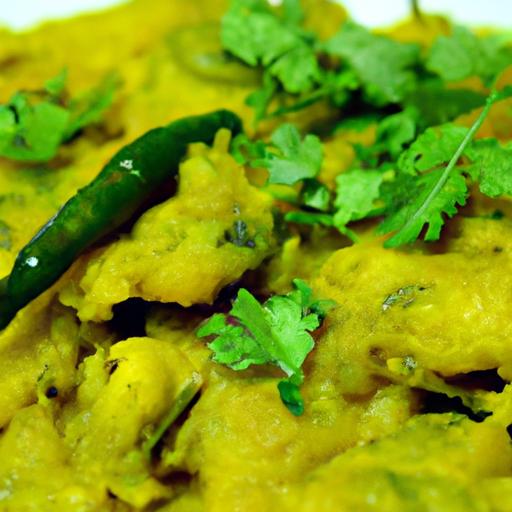

Indian cuisine is a vibrant tapestry woven from centuries of rich history, diverse cultures, and a symphony of spices that awaken every sense. From the aromatic streets of Delhi to the coastal kitchens of Goa, each region offers a unique flavor story waiting to be savored. Whether you’re a curious foodie or a seasoned cook, diving into Indian food is an invitation to explore bold tastes, intricate techniques, and timeless traditions.
In this article, we’ll embark on a culinary journey through essential Indian recipes that capture the heart and soul of the subcontinent-dishes that not only nourish the body but also celebrate the art of flavor. Get ready to transform your kitchen into a fragrant haven and discover the magic behind India’s most beloved foods.
Discover the Rich History Behind Iconic Indian Dishes
Savor the Flavors: Essential Indian Food Recipes to Try invites you on an enchanting journey into the heart of India’s culinary heritage. Indian cuisine is a tapestry woven from centuries of tradition, royal kitchens, and regional diversity.Each dish tells a story-from the Mughal-influenced richness of Butter Chicken to the fiery street food of Mumbai’s Vada Pav. What makes these recipes truly captivating is their harmony of spices, textures, and aromas that awaken every sense.
Growing up, the aroma of freshly toasted cumin and cardamom in my grandmother’s kitchen was an invitation to explore a world beyond taste. These authentic spices impart not only flavor but a deep cultural connection, making every meal a festivity. As you master these recipes,you’ll feel that same spirit come alive-an intimate dance of boldness and subtlety that defines Indian cuisine.
Prep and Cook Time
- Prep Time: 20 minutes
- Cook Time: 40 minutes
- Total Time: 1 hour
Yield
serves 4
Difficulty Level
Medium
Ingredients
- 2 cups basmati rice, rinsed and soaked for 30 minutes
- 1/4 cup ghee or vegetable oil
- 1 large onion, thinly sliced
- 3 garlic cloves, minced
- 1 inch fresh ginger, grated
- 2 green chilies, slit lengthwise
- 1 tsp cumin seeds
- 4 green cardamom pods
- 6 whole cloves
- 2 cinnamon sticks (1 inch each)
- 1 bay leaf
- 1/2 tsp turmeric powder
- 1 tsp garam masala
- 1 tbsp coriander powder
- 3 cups water, hot
- Salt to taste
- 1/4 cup chopped fresh cilantro for garnish
- 1/4 cup toasted cashews and raisins (optional)
Instructions
- Heat the ghee in a heavy-bottomed pan over medium heat. once hot, add the cumin seeds, cardamom pods, cloves, cinnamon sticks, and bay leaf. Sauté for 1-2 minutes until fragrant, stirring constantly to prevent burning.
- Add the thinly sliced onions and sauté until golden brown, about 8-10 minutes. Patience here unlocks deep sweetness and richness.
- Stir in the minced garlic, grated ginger, and green chilies. Cook for 2 minutes, stirring so the raw aroma disappears.
- Add turmeric, coriander powder, and garam masala to the pan. Toast the spices gently for 1 minute to release their oils and layers of flavor.
- Drain the soaked basmati rice and add it to the pan.Mix thoroughly but gently, coating the rice with the spiced onion mixture.
- Pour in the hot water and sprinkle salt to taste. Stir once to combine and bring to a boil.
- once boiling,reduce the heat to low,cover tightly with a lid,and simmer for 15-20 minutes until rice is tender and water is absorbed. Avoid opening the lid repeatedly to maintain steam.
- Turn off the heat and let the rice rest, covered, for 10 minutes. This allows the grains to fluff up perfectly.
- Gently fluff the rice with a fork.Mix in toasted cashews and raisins if using, for an added texture contrast and hint of natural sweetness.
- Garnish with freshly chopped cilantro before serving.
Tips for Success
- Use good quality basmati rice to ensure fragrant,long grains that don’t break apart.
- To avoid bitterness,sauté spices on medium heat and monitor closely.
- For a richer flavor, substitute water with chicken broth or vegetable stock.
- this dish pairs beautifully with classic Indian curries like Butter Chicken or Dal Tadka-try them alongside for an authentic meal (Indians Curry Recipes).
- Make ahead: this rice can be prepared a day in advance; reheat gently with a splash of water to restore fluffiness.
Serving Suggestions
This spiced basmati rice shines when served as a bed beneath vibrant curries or dry vegetable dishes. Garnish with extra toasted nuts and chopped fresh herbs for visual pop and crunch. Accompany with cool raita or a squeeze of lime to balance the warmth of spices. For a festive touch, add a sprinkle of edible silver leaf or pomegranate seeds for color and texture contrast. Present this dish on rustic pottery or banana leaves to evoke the traditional Indian dining experience.

| nutrient | Per Serving |
|---|---|
| calories | 320 kcal |
| Protein | 6 g |
| Carbohydrates | 55 g |
| Fat | 7 g |
For further reading on mastering Indian spices and their health benefits, visit this extensive study by NCBI.
Q&A
Q&A: Savor the Flavors – Essential Indian Food Recipes to Try
Q1: What makes Indian cuisine so unique and popular worldwide?
A1: Indian cuisine is a vibrant tapestry of bold spices, aromatic herbs, and diverse cooking techniques that vary by region. Its unique flavor profiles-ranging from fiery chilies to fragrant cardamom-create unforgettable taste experiences. Plus,with centuries of ancient influences from Mughal,Persian,and local traditions,Indian food is as culturally rich as it is appetizing.
Q2: which essential Indian recipes should a beginner definitely try at home?
A2: For beginners, classic dishes like Butter Chicken, Chana Masala (spiced chickpeas), and Aloo Gobi (potato and cauliflower) are perfect starting points. These recipes balance approachable spices with familiar textures. Also, don’t miss making Basmati rice and soft, fluffy Naan bread-staples that complete the experience.
Q3: How can I balance the spices if I’m new to Indian cooking?
A3: start with smaller amounts of strong spices like cayenne pepper or garam masala and gradually increase to taste.Using whole spices such as cumin seeds or cardamom pods during tempering imparts layered complexity without overwhelming heat. Remember, Indian cooking is about harmony-layering spices rather than simply adding heat.
Q4: Are Indian recipes suitable for vegetarians and vegans?
A4: Absolutely! Indian cuisine offers a treasure trove of vegetarian and vegan dishes. From hearty dals (lentil stews) to vegetable-packed curries and breads like chapati, many recipes are naturally plant-based. With ingredients like paneer (Indian cheese) or coconut milk, you can also enjoy rich textures whether you eat dairy or keep it vegan.
Q5: What is the secret to making delicious Indian spices and masalas at home?
A5: Freshness is key! Toast whole spices like coriander, cumin, and fennel seeds just before grinding to unlock their oils and deepen their flavor. Grinding your own garam masala blend allows you to customize heat and aroma to your liking. Investing in a good spice grinder and storing spices in airtight containers preserves their magic.
Q6: How do I serve Indian dishes authentically at home?
A6: Presentation and accompaniments matter! serve curries in warm bowls, pair rice and bread neatly on the side, and accompany the meal with condiments like tangy mango chutney, cooling raita, and fresh lime wedges. Don’t forget a hot cup of Masala Chai or a sweet dessert like Gulab Jamun to round out your feast.
Q7: Can I adapt traditional Indian recipes for a quicker, weeknight meal?
A7: yes! Many Indian recipes can be simplified without losing their soul. Use pre-ground spices or ready-made curry pastes, swap slow-cooking methods for pressure cooking, and rely on frozen or canned ingredients like peas or chickpeas to save time. With a little prep, you can enjoy authentic flavors even on busy days.
Q8: What’s a good way to explore the regional diversity of Indian food?
A8: Start by sampling dishes from different states-try the spicy Chettinad chicken from Tamil Nadu, the rich Rogan Josh from Kashmir, or the refreshing Dhokla from Gujarat. Each region showcases different spice blends, cooking styles, and ingredient focuses, providing a panoramic taste of India’s culinary heritage.
Q9: Why is learning to cook Indian food a rewarding experience?
A9: Cooking Indian food unlocks a world of sensory adventure-vibrant colors, captivating aromas, and layered textures. It connects you to centuries of culture and tradition while encouraging creativity through spice balancing. Plus, sharing a homemade indian meal brings warmth and joy to any table.
Q10: Where can I find reliable Indian recipes and inspiration?
A10: Look for reputable cookbooks by chefs like Madhur Jaffrey or Sanjeev Kapoor, online blogs run by passionate home cooks, and video tutorials that guide you step-by-step. Exploring local Indian markets for fresh spices and ingredients can also inspire your culinary journey!
Ready to savor those tantalizing Indian flavors? Dive into these essential recipes and let every bite transport you to the heart of India’s kitchens!
To Wrap It Up
As you close this flavorful journey through the vibrant world of Indian cuisine, remember that each recipe is more than just a dish-it’s a story woven with history, culture, and passion. Whether you’re a seasoned spice enthusiast or a curious newcomer, these essential Indian recipes invite you to explore a mosaic of tastes that celebrate diversity and tradition. So gather your ingredients, ignite your stove, and let your kitchen become a gateway to India’s rich culinary tapestry. Savor every bite, every aroma, and every moment of finding-because the true essence of cooking lies not just in the flavors, but in the joy of sharing them.