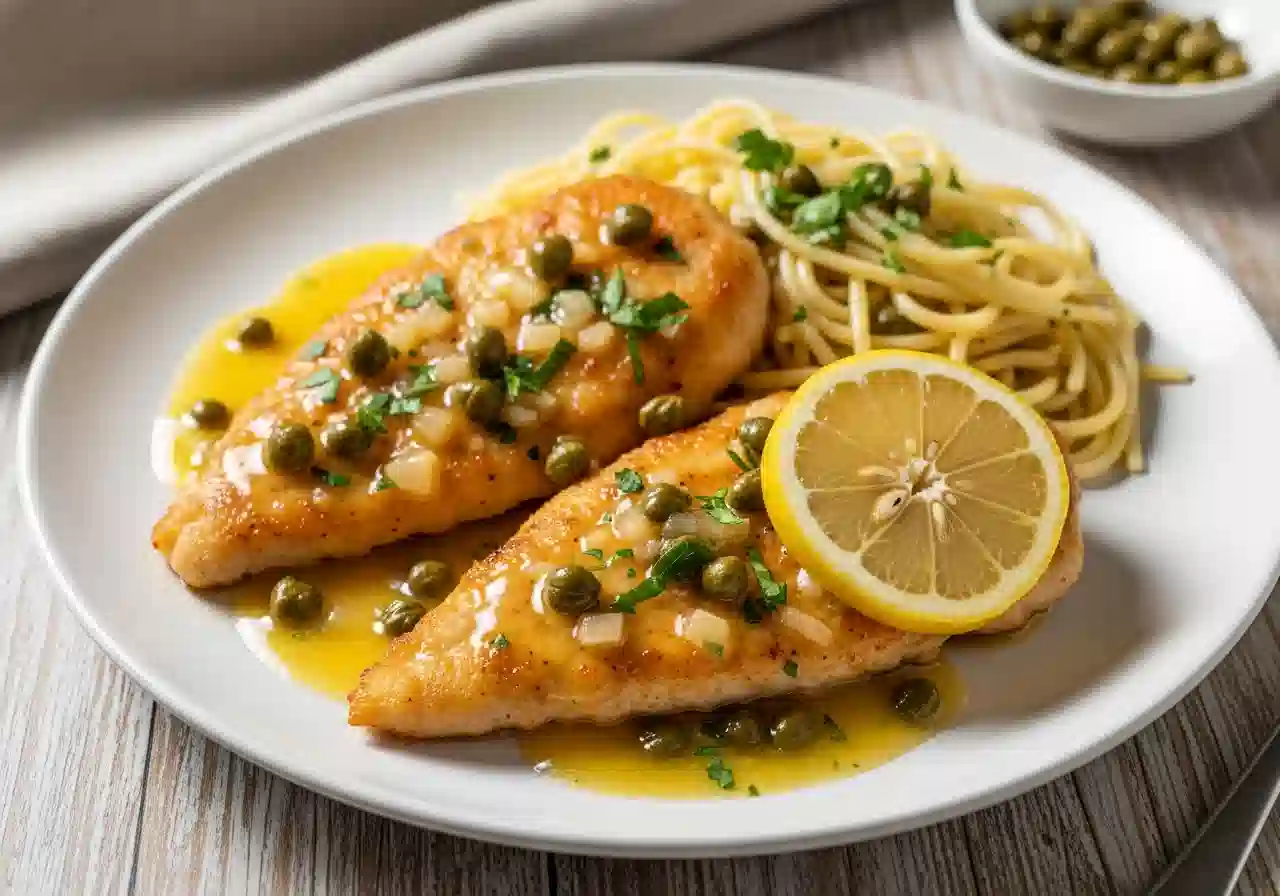

There’s something irresistibly radiant and vibrant about chicken piccata-a dish that transforms simple ingredients into a symphony of tangy elegance. with its luscious lemon-butter sauce,briny capers,and tender,sautéed chicken breasts,this classic Italian-American favourite strikes the perfect balance between zest and sophistication. Whether you’re a seasoned home cook or an adventurous beginner, mastering the art of chicken piccata invites you to elevate your culinary repertoire with a recipe that’s as easy to create as it is delightful to savor. In this article, we’ll explore the secrets behind its signature flavors, share tips for perfecting each step, and guide you toward your own plate of tangy elegance.
Tangy Elegance: Mastering the art of Chicken Piccata
Chicken Piccata epitomizes a harmonious balance between bright, zesty flavors and tender, savory protein.This classic Italian-American dish has won hearts worldwide, celebrated for its buttery, lemon-kissed sauce paired with perfectly cooked chicken. Achieving the ideal texture and flavor hinges on precise ingredient choices and technique. whether you’re a seasoned cook or a curious food enthusiast, mastering this recipe brings both depth and elegance to your kitchen repertoire.
Prep and Cook Time
- Readiness: 15 minutes
- Cooking: 20 minutes
- Total: 35 minutes
Yield
Serves 4 elegantly, perfect for intimate dinners or weekend gatherings.
Difficulty Level
Medium – wonderfully approachable with rewarding results for diligent cooks.
Ingredients
- 4 boneless, skinless chicken breasts, butterflied and pounded to 1/2-inch thickness
- 1 cup all-purpose flour, sifted
- 4 tbsp unsalted butter, divided
- 3 tbsp extra virgin olive oil
- 1 cup dry white wine (such as Sauvignon Blanc or Pinot Grigio)
- 1 cup low-sodium chicken broth
- 3 tbsp fresh lemon juice (about 2 lemons)
- 2 tbsp capers, rinsed and drained
- Salt and freshly ground black pepper, to taste
- Fresh parsley, finely chopped for garnish
instructions
- Prepare the chicken: gently butterfly each chicken breast then pound between two sheets of plastic wrap until about 1/2 inch thick. Season both sides generously with salt and pepper.
- dredge: Spread the flour evenly on a plate. Lightly coat each chicken piece in flour, shaking off excess to avoid clumps.
- Heat fat: In a wide skillet, warm 2 tbsp olive oil and 2 tbsp butter over medium-high heat until shimmering but not smoking.
- Cook chicken: add chicken breasts in a single layer, cooking about 3-4 minutes per side until surfaces turn a rich, golden brown. Avoid crowding the pan to ensure a crisp crust develops. Transfer cooked chicken to a warm platter and tent with foil.
- Deglaze pan and build sauce: Lower heat to medium and add remaining 1 tbsp olive oil. Pour in white wine, using a wooden spoon to scrape browned bits off the skillet’s bottom-this is flavor gold. Let the wine reduce by half, about 4 minutes.
- Add broth, lemon, and capers: Stir in chicken broth, fresh lemon juice, and capers. Simmer gently for 5 minutes to meld and slightly thicken the sauce.
- Finish with butter: Off heat, swirl in remaining 2 tbsp butter one tablespoon at a time, stirring constantly to enrich sauce with a velvety sheen and signature tangy balance. Season to taste with salt and pepper.
- Return chicken to skillet: Nestle chicken into sauce just to warm through, about 2 minutes. Avoid overcooking-keep edges tender yet still juicy.
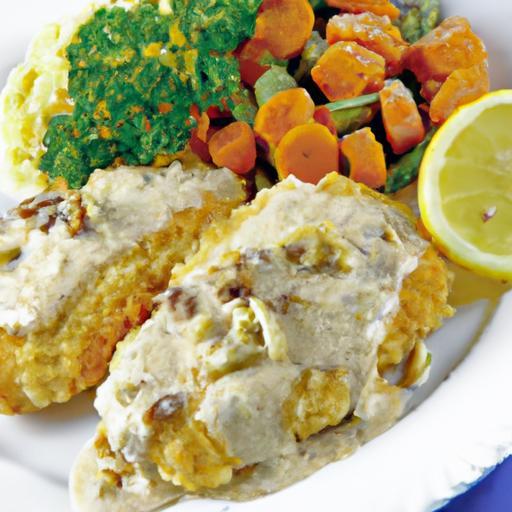
- Serve: Plate chicken,spooning ample sauce over each breast. Garnish with chopped parsley and additional lemon wedges for brightness.
Tips for Success: Elevate Your Chicken Piccata
- Choosing chicken cuts: Boneless, skinless breasts butterflied and evenly pounded thin give an ideal balance of tenderness with enough surface for a golden crust.
- Balancing acidity and butter: Fresh lemon juice cuts through richness beautifully-add gradually and taste as you go. Too much acidity can overpower; the butter softens and rounds the tang without heavy greasiness.
- Golden crust secrets: Ensure your chicken is dry before dredging in flour; excess moisture hinders browning. Don’t move chicken too frequently-let each side form a deep, golden crust before flipping.
- Avoid overcooking: Thin chicken cooks quickly. Remove from heat as soon as it’s opaque and warm inside; residual heat will finish gentle cooking when resting in sauce.
- Make-ahead tip: Cook chicken up to 2 days ahead, store in sauce separately, then rewarm gently on stovetop to maintain textures and vibrant flavors.
Serving Suggestions to impress
Chicken piccata thrives with simple, complementary sides that soak up the luscious sauce. Serve with:
- Buttery garlic mashed potatoes or creamy polenta-both offer soft textures that contrast beautifully with the crispy chicken.
- Sautéed seasonal greens like spinach or broccolini, lightly tossed with lemon zest and garlic.
- A crisp arugula salad with shaved Parmesan, dressed lightly in extra virgin olive oil and lemon.
For wine pairings, choose a dry white such as a Pinot Grigio or a crisp Sauvignon Blanc to echo the bright lemon notes and cut through the buttery sauce. Rosé wines with subtle acidity can also complement without overwhelming the dish.
Nutritional Information
| Nutrient | Per Serving |
|---|---|
| Calories | 350 kcal |
| Protein | 38 g |
| Carbohydrates | 12 g |
| Fat | 14 g |

For a deeper dive into Italian classics with a modern touch, explore our Italian chicken recipes collection.Elevate every meal with confidence and this timeless dish’s tangy elegance.
Q&A
Q&A: Tangy Elegance – Mastering the Art of Chicken Piccata
Q1: What makes Chicken Piccata a timeless classic in the world of Italian cuisine?
A1: Chicken Piccata captivates with its vibrant balance of tangy lemon, briny capers, and buttery richness. This elegant simplicity, coupled with tender chicken medallions, creates a dish that feels both refined and approachable-a true testament to the Italian art of transforming humble ingredients into memorable meals.
Q2: How critically important is the chicken cut in mastering Chicken Piccata?
A2: Choosing the right cut is key. Thinly sliced chicken breasts or pounded chicken medallions allow for rapid, even cooking and maximize surface area for the luscious piccata sauce to cling. This ensures every bite bursts with flavor and remains tender under the tangy, silky glaze.
Q3: Why are capers essential, and can they be substituted?
A3: Capers are the unsung heroes of Chicken Piccata-they inject bursts of salty, briny sharpness that beautifully contrast the lemon’s brightness. While substitutes like green olives or pickled jalapeños can mimic some tang, they won’t quite replicate the iconic piquancy that capers bring to the table.
Q4: What is the secret to achieving a perfectly balanced piccata sauce?
A4: The magic lies in harmony. Start with a good sear on the chicken for caramelized flavor, then deglaze the pan with fresh lemon juice and a splash of white wine. Adding chicken broth tempers the acidity, while finishing with butter creates a velvety sheen and rich mouthfeel. Taste and adjust-this dance of tartness, saltiness, and richness defines piccata’s elegant character.
Q5: Can Chicken Piccata be adapted for different dietary preferences without losing its essence?
A5: Absolutely. For a lighter version,swap butter for olive oil and use less broth to concentrate flavors. Gluten-free eaters can dust the chicken in almond flour or cornstarch rather of traditional all-purpose flour. Even plant-based adaptations-with tofu or seitan-can echo piccata’s signature tang and texture,proving its versatility and timeless appeal.
Q6: What sides best complement Chicken Piccata’s tangy elegance?
A6: Simplicity reigns supreme. A bed of al dente angel hair pasta or creamy mashed potatoes soak up the irresistible sauce. Roasted asparagus, sautéed spinach, or a crisp arugula salad add freshness and balance, turning the meal into a symphony of textures and flavors that elevate the piccata experience.
Q7: What common mistakes should be avoided when preparing Chicken Piccata?
A7: Overcooking the chicken is a frequent pitfall-dry meat dulls the dish’s zest. Another is neglecting to properly deglaze the pan, missing out on those flavorful browned bits crucial for the sauce. Lastly, going heavy-handed with lemon can overwhelm; the key is subtlety, layering the tang to enhance-not overpower-the delicate chicken.
Q8: How can home cooks add their personal flair while respecting the classic Chicken Piccata?
A8: Creativity thrives in accents. Infuse the sauce with fresh herbs like thyme or parsley for herbal brightness, or add a touch of garlic for warmth. Experimenting with different citrus varieties-like adding a hint of orange zest-can add surprising depth. These tweaks allow the elegance of the original to shine even brighter through your unique culinary voice.
Embracing the delicate dance of sour and savory, mastering Chicken Piccata is an invitation to experience the elegance hidden within simplicity-where every slice of chicken tells a story of zest, refinement, and timeless Italian charm.
In Summary
As you bring your journey through the tangy elegance of chicken piccata to a close, remember that mastering this dish is more than just following a recipe-it’s about balancing vibrant flavors and textures to create a harmonious experience on the plate. Whether you’re a seasoned cook or an eager beginner, the art of chicken piccata invites you to embrace the bright acidity of lemon, the briny depth of capers, and the delicate crispness of perfectly sautéed chicken. So next time you seek a dish that’s both simple and complex, let chicken piccata be your canvas for culinary creativity-a timeless classic that never fails to impress with every tangy, elegant bite.