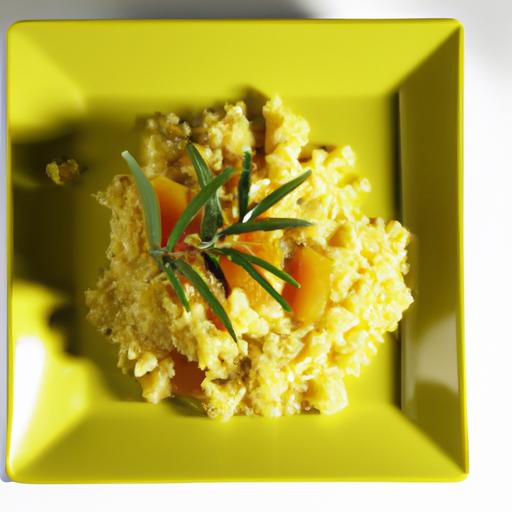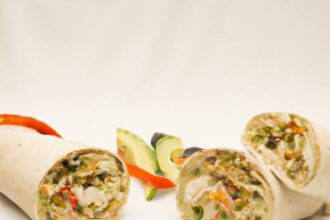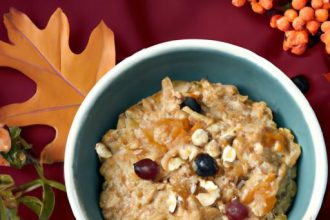

With its light, fluffy texture and subtle nutty flavor, this beloved grain has long been a staple in kitchens around the world. But beyond its conventional role as a simple side dish, it holds endless potential as the star ingredient in a variety of inventive, mouthwatering meals. Whether tossed with vibrant vegetables, infused with exotic spices, or paired with savory proteins, it invites culinary creativity that delights both the eye and the palate. In this article, we’ll explore a collection of creative recipes designed to elevate your dining experience, offering fresh ways to enjoy this versatile staple and spark new kitchen adventures. Get ready to transform everyday ingredients into memorable dishes that celebrate bold flavors and satisfying textures
Savor the flavors of couscous as you embark on a delightful journey exploring its unbelievable versatility across global cuisines. This tiny grain, originating from North Africa, is celebrated for its light, fluffy texture and ability to absorb vibrant spices and sauces, making it an indispensable staple in kitchens worldwide. From Moroccan tagines to Mediterranean salads, couscous invites creativity with every dish-allowing you to innovate and elevate your meals with exciting combinations and balanced nutrition.
Prep and Cook Time
- Preparation: 10 minutes
- Cooking: 10 minutes
- Total Time: 20 minutes
Yield
Serves 4 as a main or 6 as a side
Difficulty Level
Easy
Ingredients
- 1 cup fine couscous
- 1 cup boiling water or vegetable broth (for extra flavor)
- 1 tablespoon extra virgin olive oil
- ½ teaspoon salt
- 1 small onion, finely chopped
- 1 clove garlic, minced
- 1 teaspoon ground cumin
- ½ teaspoon smoked paprika
- ½ cup chopped fresh herbs (parsley, cilantro, or mint)
- 1 cup mixed diced vegetables (bell peppers, zucchini, cherry tomatoes)
- Juice of 1 lemon
- salt and pepper to taste
Step-by-Step Instructions to Prepare Perfectly Fluffy Couscous
- Toast the couscous: in a medium saucepan, heat 1 tablespoon of olive oil over medium heat. Add the couscous and toast gently, stirring often, until it turns slightly golden and releases its nutty aroma, about 3 minutes.
- Sauté aromatics and spices: In a separate skillet, warm a teaspoon of olive oil and sauté the chopped onion until translucent, about 4 minutes. Add garlic, cumin, and smoked paprika; cook until fragrant, about 1 minute.
- Hydrate the couscous: Pour boiling water or vegetable broth over the toasted couscous in the saucepan. Add ½ teaspoon salt,stir quickly,and cover tightly with a lid. Let it steam undisturbed for 5-7 minutes, allowing the grains to absorb the liquid fully.
- Fluff gently: Using a fork, gently fluff the couscous to separate the grains and prevent clumping. Incorporate the sautéed onion-spice mixture evenly through the couscous.
- Combine vegetables and herbs: Fold in the diced vegetables and chopped herbs, and drizzle with fresh lemon juice for brightness. Season with salt and pepper to your preference.
- Keep warm and serve: Let the flavors meld together for 5 minutes off the heat before serving, ensuring the couscous remains light and airy.
Tips for Success: Elevate Every couscous Meal
- For an extra depth of flavor,replace the boiling water with chicken or vegetable broth.
- To incorporate texture,add toasted nuts like almonds or pine nuts at the end.
- The key to fluffy couscous is not stirring during steaming-simply let the liquid absorb completely.
- Make it ahead: Prepare the couscous base and refrigerate; fresh herbs and lemon juice can be added just before serving to retain brightness.
- Experiment with spices-try turmeric, coriander, or a pinch of cinnamon for unique global twists.
Pairing Couscous with Proteins and Vegetables for Balanced Meals
Couscous serves as a wonderful canvas for pairing diverse proteins and veggies that balance nutrition and flavor. Grilled chicken, spiced lamb, or pan-seared fish add a satisfying protein punch, while roasted seasonal vegetables-like eggplant, carrots, or butternut squash-bring both colour and earthy sweetness. For plant-based options,toss in chickpeas or spiced tofu cubes to maintain heartiness while keeping the dish light. consider drizzling with tahini or dolloping Greek yogurt to add creaminess and tang.
Serving Suggestions
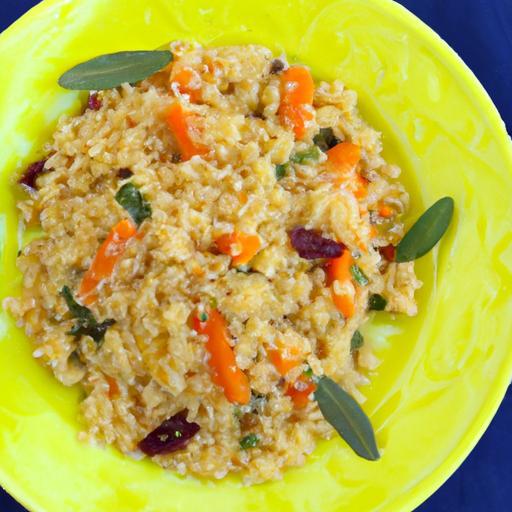
- serve couscous in a wide, shallow bowl garnished with fresh parsley sprigs and a wedge of lemon for a vibrant presentation.
- Top with pomegranate seeds or a sprinkle of sumac for a pop of color and tartness.
- A drizzle of harissa or zhug sauce introduces a pleasant, warming heat to your plate.
- Pair with a crisp, chilled white wine like Sauvignon Blanc or a refreshing mint tea for an authentic dining experience.
| Nutrient | Per Serving |
|---|---|
| Calories | 220 kcal |
| Protein | 6 g |
| Carbohydrates | 40 g |
| Fat | 5 g |

Discover further inspiration and other Mediterranean staple dishes in our Mediterranean Recipes Collection. For more detailed nutritional data on couscous and its health benefits, visit the MyFitnessPal couscous nutritional page.
Q&A
Q&A: Savor the Flavors – Creative Couscous Meal Recipes to Try
Q1: What makes couscous such a versatile ingredient in cooking?
A1: Couscous is like a blank canvas in the culinary world-it’s incredibly rapid to prepare, mild in flavor, and absorbs spices and sauces beautifully. Its light, fluffy texture pairs effortlessly with a variety of ingredients, whether you’re craving something savory, sweet, or spicy. This adaptability makes couscous perfect for endless creative recipes.
Q2: How can I elevate basic couscous to a flavorful main dish?
A2: Elevate your couscous by infusing it with aromatic broth rather of plain water and tossing in fresh herbs like mint, cilantro, or parsley.Add roasted vegetables, toasted nuts, and vibrant dried fruits such as apricots or cranberries for layers of texture and flavor. For protein, consider spiced chickpeas, grilled chicken, or seared halloumi cheese to create a satisfying meal.
Q3: What are some creative flavor combinations to try with couscous?
A3: Think beyond the traditional! How about a Moroccan-inspired mix of cumin, cinnamon, and paprika paired with caramelized onions and golden raisins? Or a Mediterranean medley with kalamata olives, sun-dried tomatoes, feta, and fresh basil? For a twist, try a tropical couscous salad with mango, avocado, cilantro, and a zesty lime dressing.
Q4: Can couscous be used in cold dishes?
A4: Absolutely! Couscous shines in salads and cold bowls where its lightness complements crisp veggies and tangy dressings. Mix couscous with cucumber, cherry tomatoes, red onion, and a lemon-tahini dressing for a refreshing side, or add grilled shrimp and avocado for a shining, protein-packed lunch.
Q5: How do I prevent couscous from clumping together?
A5: Fluffing is key! After pouring hot broth over the grains, cover and let them steam for about 5 minutes. Then use a fork to gently separate them for a perfect texture. Adding a drizzle of olive oil or a knob of butter before fluffing can also help keep them light and airy.
Q6: Are there different types of couscous, and do they affect cooking?
A6: Yes! Traditional North African couscous is small and quick-cooking, while Israeli (pearl) varieties feature larger, rounder grains that need a bit more cooking time, similar to pasta. Tiny Lebanese moghrabieh is larger still and often used in hearty dishes. Choosing the type depends on your recipe and the texture you want to achieve.
Q7: What are some tips for pairing couscous with sauces and spices?
A7: Because this versatile grain soaks up flavors wonderfully, pairing it with bold sauces like harissa, tzatziki, or a citrusy chimichurri can transform your dish. Spice blends such as za’atar, ras el hanout, or turmeric create layers of taste that can turn a simple base into an aromatic feast. Don’t be afraid to experiment and trust your palate!
Q8: Can couscous be part of a healthy meal plan?
A8: Definitely! This versatile grain is a great source of carbohydrates and pairs well with a rainbow of vegetables, legumes, and lean proteins to create balanced meals. Opt for whole wheat for added fiber, and keep dressings light and fresh to maximize nutrition without sacrificing flavor.
Q9: How can beginners start experimenting with couscous recipes?
A9:Start simple! Prepare a basic batch with broth, then gradually add your favorite ingredients, herbs, nuts, vegetables, or proteins. Use online recipes for inspiration, and don’t hesitate to tweak seasonings to match your taste. This quick-cooking grain is low-pressure but high-reward, perfect for budding cooks.
Q10: Any secret tips for making the most delicious couscous dishes?
A10: The secret lies in layering flavors and textures. Lightly toast the grains before cooking for a nutty note, add crunchy almonds or pine nuts for contrast, and finish dishes with a squeeze of fresh lemon juice or a sprinkle of herbs to brighten everything up. With these small touches, your meals will sing with creativity and flavor.
Future Outlook
As you embark on your culinary journey, remember that this humble grain is more than just a side dish, it’s a canvas brimming with possibility. From vibrant Mediterranean medleys to bold North African spice blends, it invites you to savor every bite and explore flavors beyond the familiar. Whether you’re crafting a quick weeknight dinner or a remarkable feast, these creative recipes offer a delicious gateway to new tastes and textures. So gather your favorite ingredients, let your imagination run wild, and transform simple staples into a party of flavor that’s as versatile as it is satisfying. Happy cooking—and even happier savoring!