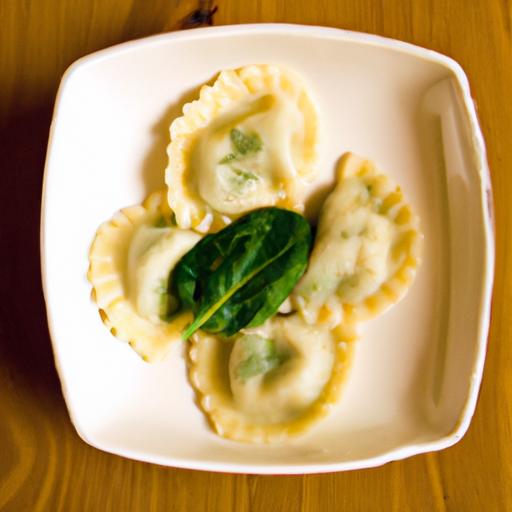

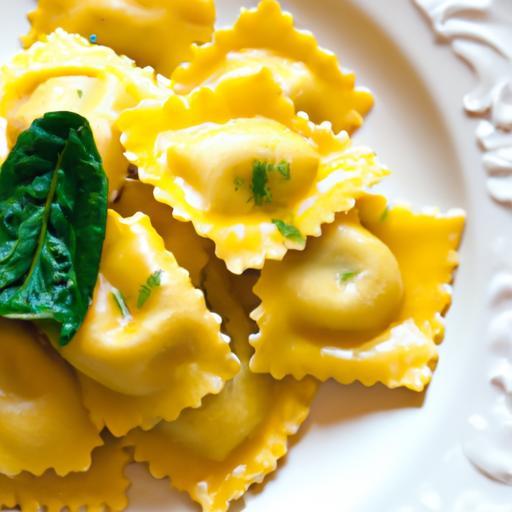
There’s something undeniably magical about ravioli-the delicate pillows of pasta that cradle a world of flavors within each tender bite. Mastering ravioli at home not only opens the door to endless culinary creativity but also transforms a simple meal into an unforgettable experience. In this guide, we’ll journey through the art of crafting perfect ravioli from scratch, revealing tips and techniques that elevate this classic Italian dish from ordinary to remarkable. Whether your a seasoned cook or an adventurous beginner, prepare to roll up your sleeves and dive into a tasty homemade recipe that will impress family, friends, and your own palate alike.
Mastering ravioli is a journey that begins with selecting the ideal dough, crafting fillings bursting with flavor, and perfecting the art of sealing and cooking to achieve silky smooth pockets of pure bliss. Every step in this process shapes the final bite, turning simple pasta into an unforgettable culinary experience that celebrates tradition and creativity.
Prep and Cook Time
- Preparation: 45 minutes
- Resting Dough: 30 minutes
- Cooking: 5-7 minutes
- Total Time: Approximately 1 hour 30 minutes
yield
Serves 4 generous portions (about 30 ravioli)
Difficulty Level
Medium: Requires some experience with dough handling and filling preparation but approachable for dedicated home cooks.
Ingredients
- For the Ravioli Dough:
- 2 cups all-purpose flour, sifted
- 3 large eggs, at room temperature
- 1 tablespoon olive oil
- ½ teaspoon salt
- For the Mushroom and Ricotta Filling:
- 8 oz cremini mushrooms, finely chopped
- 1 cup whole milk ricotta cheese
- 2 tablespoons grated Parmesan cheese
- 2 garlic cloves, minced
- 1 tablespoon fresh parsley, finely chopped
- Salt and freshly ground black pepper, to taste
- 1 tablespoon butter
- To Serve:
- 4 tablespoons unsalted butter
- Fresh sage leaves
- Grated Parmesan cheese
- Freshly cracked black pepper
Instructions
- Prepare the Dough: On a clean surface, mound the flour and create a well in the center. Crack the eggs into the well, add olive oil and salt. Using a fork, gently whisk the eggs, gradually incorporating the flour from the edges until a shaggy dough forms.
- Knead the Dough: Knead vigorously for about 10 minutes until the dough becomes smooth and elastic. Cover with plastic wrap and let it rest for at least 30 minutes. Resting relaxes gluten, making rolling easier.
- Prepare the Filling: In a skillet, melt butter over medium heat. Add minced garlic and sauté until fragrant, about 1 minute. Add chopped mushrooms and cook until golden, approximately 5 minutes, stirring occasionally. Remove from heat and let cool.
- Mix Filling Ingredients: In a bowl, combine cooked mushrooms, ricotta, Parmesan, parsley, salt, and pepper. Stir until well blended. Chill the filling for 15 minutes to firm up slightly, making it easier to handle.
- Roll Out the Dough: Divide dough into quarters.Working with one piece at a time (keeping others covered), roll or use a pasta machine to flatten dough into thin sheets, about 1/16 inch thick. The thinner the sheet, the silkier the ravioli texture.
- Assemble Ravioli: Place teaspoon-sized mounds of filling spaced evenly on one sheet.Lightly brush the areas between filling with water to act as glue. Lay a second sheet over the top, gently pressing around each mound to seal out air.
- Seal and Shape: Using a ravioli cutter or sharp knife, cut individual ravioli. Press edges firmly with fingers or a fork for an airtight seal, preventing the filling from escaping during cooking.
- Cook to Perfection: Bring a large pot of salted water to a rolling boil.Add ravioli in batches to avoid overcrowding. Cook until thay rise to the surface, about 3-4 minutes. Remove carefully with a slotted spoon.
- Prepare Sauce: In a sauté pan, melt butter over medium heat and add fresh sage leaves. Cook until butter foams and begins to brown, releasing a nutty aroma, about 3 minutes. Remove from heat to avoid burning.
- Serve: Gently toss cooked ravioli in the sage butter, plate them, and garnish with freshly cracked black pepper and extra Parmesan.
Tips for Success
- Dough Texture: If dough feels to sticky, incorporate a little more flour, one tablespoon at a time. For drier environments, you may need slightly less flour.
- Resting the Dough: Never skip resting – it dramatically improves elasticity and makes rolling more manageable.
- Fillings: Experiment with seasonal vegetables,meats,or cheeses. For a smoother texture, pass ricotta through a fine sieve before mixing.
- Sealing Ravioli: Ensure sealing edges are damp but not soaked. Use a fork to crimp for a decorative edge and stronger seal.
- Freezing: freeze uncooked ravioli on parchment-lined trays and transfer to airtight bags for up to 1 month. Cook from frozen, adding 2 minutes to cooking time.
Serving Suggestions
present your ravioli on warm plates drizzled with fragrant sage butter sauce. Garnish with a sprinkle of Parmesan and a few fresh parsley leaves for vibrant color. Pair with a crisp green salad and a glass of chilled Pinot grigio to elevate the dining experience. For a heartier twist, drizzle with a light tomato basil sauce instead of butter.

| Nutrient | Per Serving |
|---|---|
| Calories | 420 kcal |
| Protein | 18 g |
| Carbohydrates | 45 g |
| Fat | 15 g |
For more tips on homemade pasta, visit our comprehensive pasta guide. To learn about the science behind pasta dough,explore this insightful resource at ScienceDirect.
Q&A
Q&A: Mastering Ravioli – A Delicious Homemade recipe Guide
Q1: What makes homemade ravioli different from store-bought versions?
A1: Homemade ravioli offers a freshness and personalization that store-bought varieties simply can’t match. When you make it yourself, you control every ingredient-from the dough’s texture to the filling’s flavor. The result? Pillowy pockets bursting with your favorite tastes, crafted just the way you love them.
Q2: What are the essential ingredients for making perfect ravioli dough?
A2: The classic ravioli dough is surprisingly simple-flour, eggs, a pinch of salt, and sometimes a drizzle of olive oil. The magic lies in kneading the dough until it’s silky and elastic, wich gives you that perfect chew and structure to hold your fillings without breaking.
Q3: How do I choose the best filling for my ravioli?
A3: The filling can be as traditional or adventurous as you like. Ricotta and spinach remain timeless favorites, but you can experiment with roasted butternut squash, wild mushrooms, or even seafood. The key is balancing moisture and flavor-too wet, and the dough might tear; too dry, and the filling can be crumbly.
Q4: Is there a trick to rolling out the dough evenly?
A4: Absolutely! Start by dividing the dough into manageable portions and roll each piece out to a thin, translucent sheet-about 1/16 inch thick. If you don’t have a pasta machine, a good rolling pin and patience will do. Lightly dust your surface with flour to prevent sticking, and try to keep the thickness consistent to ensure even cooking.
Q5: How do I seal my ravioli so they don’t burst during cooking?
A5: Sealing well is crucial! Lightly brush the dough edges with water or beaten egg before pressing them together. Use your fingers or a fork to crimp the edges firmly, making sure there are no air pockets trapped inside. This ensures your little pillows stay intact when you boil them.
Q6: What’s the best way to cook ravioli without them falling apart?
A6: Bring a large pot of salted water to a gentle boil.Drop in your ravioli carefully and stir gently to prevent sticking. Fresh ravioli only takes 2-4 minutes to cook-once they float to the surface, they’re ready. Remove them with a slotted spoon and avoid boiling aggressively to keep them intact.
Q7: How can I dress my ravioli to highlight its flavors?
A7: The sauce should complement, not overpower. A simple brown butter and sage sauce pairs beautifully with pumpkin ravioli, while a light tomato basil sauce elevates cheese fillings.Don’t forget a sprinkle of freshly grated Parmesan and a drizzle of quality olive oil to finish off your masterpiece.
Q8: Can I freeze ravioli, and if so, how?
A8: Yes! Freeze your assembled ravioli on a baking sheet in a single layer until solid, than transfer them to airtight bags. This prevents sticking and preserves their shape. When ready to cook, drop them straight into boiling water-no thawing needed, though they’ll take a minute or two longer to cook.
Q9: Any tips for beginners tackling ravioli for the first time?
A9: Start simple. Choose a familiar filling like ricotta and spinach,and don’t rush the dough preparation-it’s the foundation of your ravioli. Practice makes perfect, so enjoy the process, get messy, and savor every delicious bite.Remember, even imperfect ravioli tastes amazing when made with love!
Mastering ravioli is a rewarding culinary adventure that invites creativity and celebrates tradition.With these tips and tricks, your homemade ravioli will soon become the crown jewel of your kitchen repertoire. Happy cooking!
Concluding Remarks
As you close the chapter on your homemade ravioli adventure, remember that every fold and pinch carries the promise of delicious revelation. Mastering ravioli isn’t just about following a recipe-it’s about embracing the art of creating something truly special from scratch. Armed with this guide, you’re now ready to transform simple ingredients into pillows of flavor that delight the senses and warm the heart. So roll up your sleeves,let your creativity run free,and embark on countless ravioli-making journeys that turn your kitchen into a haven of culinary joy. Happy cooking, and may your plates always be filled with homemade happiness!