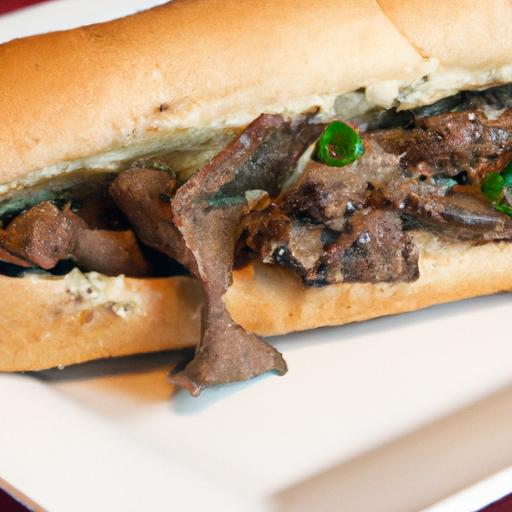

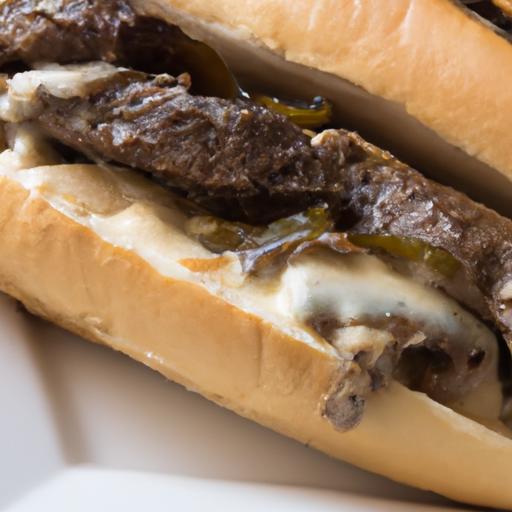
In the bustling streets of Philadelphia, where history meets hustle, one flavor reigns supreme-a savory symphony wrapped in a freshly toasted hoagie roll: the Philly cheesesteak. More than just a sandwich, the Philly cheesesteak is a cultural icon, a culinary legend that has captured the hearts and taste buds of locals and visitors alike. From its humble beginnings in working-class neighborhoods to its rise as a symbol of Philly pride, this mouthwatering blend of thinly sliced beef, melted cheese, and sautéed onions invites us on a flavorful journey through the city’s rich heritage.
Join us as we unwrap the story behind the Philly cheesesteak, exploring the flavors, traditions, and passion that make it an enduring emblem of Philadelphia’s vibrant food scene.
Philly cheesesteak is an enduring symbol of American street food culture, born in the bustling neighborhoods of Philadelphia in the early 20th century. This iconic sandwich marries thinly sliced, tender ribeye steak with melted cheese and sautéed onions, enveloped by a soft yet sturdy hoagie roll. I still remember my first bite on a crisp fall afternoon, the melty cheese stretching as I pulled it apart-simple ingredients transformed into a flavor explosion that’s hard to forget. With its savory depth and satisfying textures, crafting this beloved classic at home brings a bit of Philly’s vibrant soul right into your kitchen.
Prep and Cook Time
- Preparation: 15 minutes
- Cooking: 10 minutes
- Total Time: 25 minutes
Yield
Serves 4 hearty sandwiches
Difficulty Level
Medium – requires attention to detail for perfect steak slicing and melt
Key Ingredients That Define the Classic Flavor
- 1 lb ribeye steak, thinly sliced - the rich marbling is crucial for juiciness
- 4 hoagie rolls - fresh, soft with a slight crust to hold the fillings
- 1 large onion, thinly sliced - caramelized to sweet, golden perfection
- 8 slices provolone cheese - melts beautifully with mild, creamy flavor
- 2 tbsp vegetable oil – for sautéing
- Salt and freshly ground black pepper – to season the steak properly
- Optional: Hot cherry peppers or Cheez Whiz – for an authentic Philly twist
Instructions for Crafting the Perfect Philly Cheesesteak at Home
- Prepare the steak: Place the ribeye between two sheets of parchment paper or plastic wrap and freeze for 20 minutes to firm up. This makes slicing ultra-thin easier and safer.
- Slice the onions: While the steak chills, thinly slice the onion.Heat 1 tablespoon vegetable oil in a large skillet over medium heat and add onions.Sauté until golden and soft, about 8-10 minutes. Remove and set aside.
- Cook the steak: increase heat to medium-high and add remaining oil. Add thin steak slices in a single layer, seasoning with salt and pepper. Stir frequently, cooking until just browned but still juicy, about 3-4 minutes.
- Combine onions and steak: Return sautéed onions to the skillet, folding them gently into the steak for even flavor distribution. Keep heat on low to warm through.
- Melt the cheese: Layer 2 slices of provolone over each portion of the steak and onions in the skillet. Cover with a lid or aluminum foil to create steam and melt cheese thoroughly, approximately 2 minutes.
- Prepare the rolls: Slice the hoagie rolls lengthwise but not all the way through. Lightly toast them in a separate pan or oven to add crunch and warmth.
- Assemble the sandwich: Using a spatula, scoop up the steak, onions, and melted cheese and load generously into each hoagie roll. Add optional hot cherry peppers or Cheez Whiz if desired.
- Serve promptly: Enjoy the gooey, savory goodness while warm for the ultimate Philly cheesesteak experience.
Tips for Success
- Steak slicing tip: partially freezing the ribeye makes slicing paper-thin strips manageable, crucial for authentic texture.
- Cheese choice: Provolone offers a classic melt, but American cheese or cheez Whiz also provide that signature creamy stretch.
- Onions: Take your time caramelizing the onions - their sweetness balances the beef’s savory richness.
- Make ahead: You can prep steak and onions a few hours in advance, refrigerate separately, then reheat gently before assembling.
- Bread matters: Choose rolls that hold fillings without becoming soggy; fresh bakery rolls from a local deli often yield the best results.
Serving Suggestions
Plate your Philly cheesesteak alongside crisp pickle spears, a handful of kettle-cooked chips, or a simple side salad bursting with vinegary brightness to cut through the richness. Garnish with fresh parsley or a dash of cracked black pepper on top for a touch of color. For an authentic Philly flavor boost, serve with a side of spicy hot cherry peppers, either fresh or pickled. A cold soft drink or a craft beer makes an ideal partnership, rounding out this comfort meal perfectly.

| Nutrient | Per Serving |
|---|---|
| calories | 680 kcal |
| Protein | 45 g |
| Carbohydrates | 48 g |
| Fat | 32 g |
For an in-depth look at other American classics and how regional flavors develop, check out our guide to iconic American sandwiches. To explore the rich history of philly cheesesteaks, History.com offers a interesting dive into its origins.
Q&A
Q&A: Philly Cheesesteak – The Iconic Philly Flavor Unwrapped
Q1: What exactly is a Philly cheesesteak?
A: At its core, the Philly cheesesteak is a hot, savory sandwich that originated in Philadelphia.Thinly sliced and tender ribeye steak is cooked on a griddle, then layered onto a long, soft hoagie roll with melted cheese-traditionally Cheez Whiz, provolone, or American-and frequently enough topped with sautéed onions. It’s a harmonious blend of juicy beef, gooey cheese, and pillowy bread, delivering an unmistakable taste of Philly pride.
Q2: How did the Philly cheesesteak come to be?
A: The cheesesteak’s story dates back to the 1930s, when Pat Olivieri, a South Philadelphia hot dog vendor, decided to toss some chopped beef on a grill and slap it on an Italian roll. A passing cab driver was intrigued by the aroma and asked to try it, sparking a local sensation. Soon after, cheese was introduced, elevating the sandwich to its iconic status. Thus, what started as a simple street food became a citywide obsession.
Q3: What makes a Philly cheesesteak different from other steak sandwiches?
A: It’s all about the style and authentic ingredients. Philly cheesesteaks rely on ribeye steak sliced paper-thin, cooked on a flat-top griddle, ensuring a juicy and tender bite. The bread-a locally baked hoagie roll-must be soft yet sturdy, ideal for soaking up the flavorful juices.And the cheese? Melty and abundant, creating that signature creamy texture. The combination of these elements, plus optional caramelized onions and sometimes peppers or mushrooms, create a sandwich you simply can’t replicate anywhere else.
Q4: Are there regional variations of the Philly cheesesteak?
A: Absolutely! While Philadelphia holds the crown, many regions have attempted their own spins-from adding lettuce and tomato, to swapping out roll types or cheeses. But purists argue that a true Philly cheesesteak comes only from Philly’s famed joints like Pat’s King of Steaks or Geno’s Steaks, where history and tradition run deep. Nevertheless, this sandwich inspires creativity, and each version adds its own flavor twist to the cheesesteak legacy.
Q5: how should you order a Philly cheesesteak like a local?
A: Philly’s cheesesteak ordering language is its own secret code! To keep it simple: ask for a “wit” or ”witout” onions depending on your preference. Then specify your cheese choice-“Whiz” for Cheez Whiz, “provolone” if you want somthing milder, or “american” for that classic touch. So, a typical order might be “One cheesesteak wit Whiz and onions.” Speak the lingo,and you’re part of the Philly cheesesteak family.
Q6: Why has the Philly cheesesteak endured as a cultural icon?
A: Beyond its mouthwatering taste, the Philly cheesesteak embodies the hardworking spirit and gritty charm of Philadelphia. It’s comfort food that tells a story of immigrant ingenuity, community pride, and culinary tradition. Every bite connects you to generations of locals who’ve celebrated life through this humble sandwich. In many ways, it’s more than food-it’s a living symbol of a city’s heart and soul.
Q7: Can I make an authentic Philly cheesesteak at home?
A: You can try! The secret lies in sourcing quality ribeye, mastering the thin slicing (freezing the meat slightly helps), and using a soft hoagie roll. Cook the steak quickly on high heat,melt the cheese properly,and embrace the simplicity. While nothing quite matches the street-side magic of Philly’s legendary cheesesteak spots, a home-cooked version can still deliver a tasty tribute to this iconic flavor.
Weather you’re a first-timer or a lifelong fan, peeling back the layers of the Philly cheesesteak reveals a delicious narrative of tradition, taste, and city pride-one bite at a time.
Future Outlook
As the last bite melts away, the Philly cheesesteak leaves more than just a satisfied appetite-it offers a flavorful story steeped in history, culture, and the unmistakable spirit of Philadelphia. From its humble beginnings to its legendary status, this iconic sandwich continues to unwrap layers of tradition with every savory, gooey mouthful.Whether enjoyed on a bustling city street or recreated in kitchens worldwide,the Philly cheesesteak remains a delicious testament to the city’s vibrant flavor and enduring pride-a true culinary emblem that invites food lovers everywhere to savor a taste of Philly’s soul.