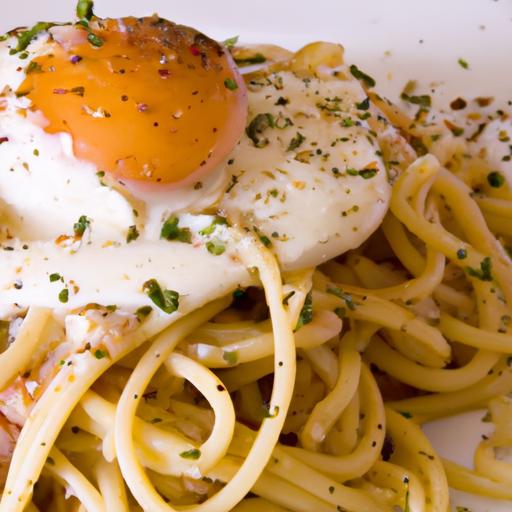

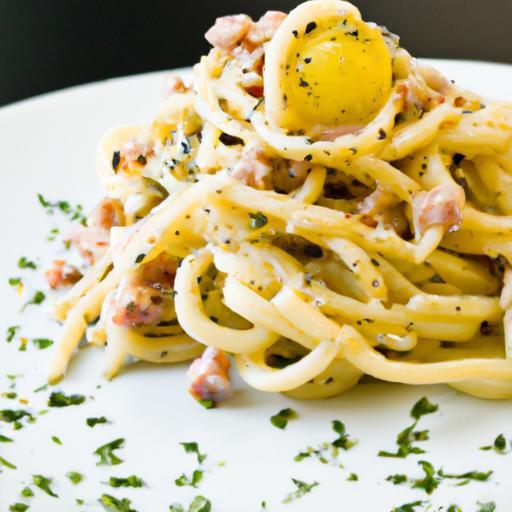
there’s something undeniably magical about a plate of spaghetti carbonara – the way silky strands of pasta entwine with a creamy, savory sauce that seems to whisper tales of Italian tradition and culinary artistry. Yet,despite its seemingly simple ingredients,achieving that flawless balance of flavors and textures often feels like chasing an elusive secret. In this article, we’ll unlock the mysteries behind perfect spaghetti carbonara, exploring time-honored techniques, common pitfalls, and insider tips that transform humble components into a dish worthy of an Italian trattoria.Prepare to dive fork-first into the story and science of carbonara, where every step brings you closer to pasta perfection.
Selecting Authentic Ingredients for rich and Creamy Carbonara
unlocking the secrets of perfect spaghetti carbonara begins with choosing the right, authentic ingredients that bring depth and creaminess without relying on heavy creams or shortcuts. The soul of this iconic Roman dish lies in simplicity and quality - starting from the cured pork to the cheese that blankets your pasta in a velvety, savory hug.
For the signature smoky, silky bite, guanciale-pork jowl cured with salt, pepper, and sometimes herbs-is non-negotiable. Its fatty richness renders beautifully to create the sauce’s luscious texture. If unavailable, pancetta is a respectable substitute, but avoid bacon, which alters the flavor profile significantly.
- Guanciale: opt for slabs with a nice balance of lean meat and fat for optimal flavor and texture.
- eggs: fresh, free-range large egg yolks provide the luxurious, silky component of the sauce. Whole eggs can be used but yolks yield a creamier finish.
- Pecorino Romano: a sharp, salty sheep’s milk cheese, finely grated to melt effortlessly and punctuate the dish with tangy sharpness.
- Spaghetti: use high-quality, bronze-cut durum wheat spaghetti for better sauce adherence and ideal bite.
- freshly cracked black pepper: essential for pungency and aroma, freshly milled just before mixing.
- Salt: minimal and used mainly in pasta water,since cheese and guanciale already contribute saltiness.
Mastering the Art of the Perfect Sauce Emulsion
Unlocking the secrets of perfect spaghetti carbonara means mastering the delicate technique of creating an emulsion that coats the pasta without curdling or scrambling the eggs. This is a dance of timing and temperature where the hot pasta bathes the egg-yolk and cheese mixture to yield a sauce that clings luxuriously without heaviness.
Once you’ve cooked and drained your spaghetti al dente, reserve some starchy pasta water to bring the sauce together. The secret lies in slowly whisking the reserved warm water into the beaten eggs and Pecorino Romano mixture before tossing with pasta off heat. The residual pasta warmth and the starchy water gently cook and thicken the eggs, creating a satiny sauce.
Timing and Technique for Ideal Pasta Texture
Perfect pasta texture is vital when unlocking the secrets of perfect spaghetti carbonara. Overcooked pasta risks a mushy base, while undercooked noodles won’t marry well with the sauce.
cooking pasta to al dente-where it’s tender but retains a slight bite-ensures each strand carries that creamy sauce with structure and bite. The moment you drain the pasta, promptly toss it with the guanciale’s rendered fat to infuse flavor and ensure it doesn’t stick. This step fortifies the foundation for sauce integration.
Remember to reserve at least a cup of the pasta cooking water.This starchy liquid is liquid gold to loosen thickened sauce and create silkiness upon mixing.
Elevating flavor with Traditional and Modern Twists
While traditional carbonara’s beauty lies in its simplicity, unlocking the secrets of perfect spaghetti carbonara also embraces subtle enhancements for an elevated experience. Some chefs gently toast freshly cracked black pepper before mixing to deepen its smoky spice. Experimenting with a touch of finely chopped parsley can introduce a fresh herbaceous pop without overpowering the classic flavor.
For a modern twist, consider swapping Pecorino Romano with a blend of Pecorino and Parmigiano-Reggiano for a nuanced umami depth. Alternatively,a whisper of garlic-infused olive oil can be drizzled post-plate for an aromatic finish.
Prep and Cook Time
- Readiness: 10 minutes
- Cooking: 15 minutes
- Total: 25 minutes
Yield
Serves 4 generous portions
Difficulty Level
Medium – requires careful timing and technique but accessible to confident home cooks
Ingredients
- 400g spaghetti (preferably bronze-cut durum wheat)
- 150g guanciale,cut into 1/4-inch strips
- 4 large egg yolks
- 1 whole large egg (optional for creamier texture)
- 100g Pecorino Romano,finely grated
- Freshly cracked black pepper,to taste
- Salt,for pasta water only
Instructions
- Boil pasta water: in a large pot,bring salted water to a rolling boil. Cook spaghetti until just al dente (about 8-9 minutes). Reserve 1 cup of pasta water before draining.
- Render guanciale: In a cold skillet, add guanciale strips and heat over medium heat. Sauté until golden brown and crisp, about 5-7 minutes, stirring occasionally to prevent sticking. remove from heat but keep fat in pan.
- Mix egg and cheese: In a bowl, whisk together egg yolks, whole egg (optional), Pecorino Romano, and several generous cracks of black pepper. Gradually whisk in 3-4 tablespoons of reserved pasta water until smooth and creamy.
- Toss pasta & guanciale: Add drained pasta immediately to the warm guanciale pan off heat. Toss to coat noodles in rendered fat evenly.
- Emulsify sauce: Slowly pour the egg-cheese mixture over the pasta while continuously tossing or stirring vigorously to create a creamy emulsion.If sauce thickens too fast, add reserved pasta water gradually to loosen.
- Adjust seasoning: Taste and adjust pepper or Pecorino as desired. Serve immediately to enjoy the sauce at peak silkiness.
Chef’s Notes
- Never add eggs directly to hot pan over direct heat to avoid scrambling.
- Guanciale can be tricky to find-check Italian specialty stores or purchase online to guarantee authenticity.
- For a lighter variation, reduce guanciale slightly and substitute some Pecorino Romano with Parmigiano-Reggiano.
- Carbonara is best eaten fresh. Leftovers can be gently reheated in a skillet with a splash of pasta water but may lose some creaminess.
Serving Suggestions
Plate your carbonara generously topped with extra grated Pecorino Romano and an additional crack of black pepper for contrast. A light drizzle of extra virgin olive oil adds sheen and aroma. Complement with a crisp,chilled white wine like Verdicchio or Pinot Grigio. Serve alongside a fresh arugula salad with lemon vinaigrette to cut through the richness, and crusty rustic bread to mop up any remaining sauce.

| Nutrient | Per Serving |
|---|---|
| Calories | 580 kcal |
| Protein | 28 g |
| Carbohydrates | 65 g |
| Fat | 22 g |
For more ways to explore classic Italian pasta dishes,check out our Classic Italian Pasta Recipes. To understand the history behind traditional Roman recipes, visit Britannica’s guide on Carbonara.
Q&A
Unlocking the Secrets of Perfect Spaghetti carbonara: Q&A
Q1: What makes spaghetti carbonara different from other pasta dishes?
A1: Unlike many pasta dishes that rely on heavy sauces or tomatoes, spaghetti carbonara dazzles with its simplicity. The magic lies in its creamy, silky sauce made without cream-just eggs, cheese, cured pork, and pepper. It’s a delicate dance of textures and flavors achieved through technique rather than extra ingredients.
Q2: Is it true that authentic carbonara doesn’t use cream?
A2: Absolutely! Traditional Italian carbonara is a celebration of pure ingredients.The luxurious creaminess comes from carefully combining beaten eggs with hot pasta and starchy pasta water-not from heavy cream. This approach creates a luscious, velvety coating that hugs every strand of spaghetti.
Q3: Which cheese is best for carbonara?
A3: Pecorino Romano reigns supreme in the carbonara world. Its sharp, salty profile perfectly complements the savory guanciale (or pancetta) and adds depth. Parmesan can be mixed in for a milder touch, but don’t stray far from Pecorino’s bold character.
Q4: What’s the secret to making the sauce creamy without scrambling the eggs?
A4: Timing and temperature are key! Toss the hot,freshly drained pasta with the beaten eggs and cheese off the direct heat. Use a bit of reserved starchy pasta water to loosen the sauce and keep it silky. Stir swiftly and gently to avoid curdling-this technique transforms simple ingredients into molten gold.
Q5: Can I substitute guanciale with pancetta or bacon?
A5: Guanciale (cured pork cheek) is the traditional choice, prized for its rich flavor and melt-in-your-mouth texture. Pancetta comes close and is a fine stand-in, while bacon’s smoky notes steer the dish in a slightly different direction. For true carbonara aficionados, guanciale remains the crown jewel.
Q6: how important is freshly cracked black pepper?
A6: Crucial! The pungent warmth of freshly cracked black pepper is more than a garnish-it’s a flavor cornerstone. It adds a vibrant spice that cuts through the richness and lifts the entire dish, creating that perfect balance carbonara lovers crave.
Q7: Can I add garlic or onions for extra flavor?
A7: traditional recipes shun garlic and onions to preserve carbonara’s pure essence. The focus stays on the interplay between eggs, cheese, and pork. If you desire more aroma, a subtle hint of garlic-infused oil can be tempting, but purists will argue it distracts from the classic.
Q8: what type of pasta works best?
A8: Spaghetti is the iconic choice,its thin,long strands ideal for capturing the luscious sauce. However, other similarly sized pastas like bucatini or linguine can work beautifully. The key is choosing a pasta that can hold onto that creamy coating without overpowering it.
Q9: How can I prevent the sauce from becoming dry or clumpy?
A9: Use plenty of reserved pasta water to gently loosen the sauce, creating a harmonious emulsion. Also, avoid overcooking once the eggs are added-work quickly off the heat, and keep stirring to maintain that smooth, glossy finish.
Q10: What’s the final touch to make my carbonara stand out?
A10: Serve it immediately, fresh and hot, sprinkled generously with Pecorino and a fresh grind of black pepper. This finishing flourish awakens the flavors and offers a tantalizing aroma that signals perfection on a plate.
Unlocking the secrets of perfect spaghetti carbonara reveals a comforting truth: sometimes, the simplest things, treated with care and respect, create the most unforgettable flavors. So gather your eggs, cheese, and guanciale-and let the art of carbonara transform your kitchen into an Italian trattoria. Buon appetito!
Key Takeaways
As you twirl your fork into that velvety nest of spaghetti carbonara, remember that each ingredient plays a vital role-like pieces of a flavorful puzzle brought together through technique and tradition. Unlocking the secrets to this classic dish isn’t just about following a recipe; it’s about understanding the harmony of creamy eggs, sharp cheese, crispy guanciale, and al dente pasta. Armed with these insights, you’re now ready to elevate your kitchen creations and savor carbonara as it was meant to be enjoyed: simple, authentic, and utterly irresistible. So go ahead-embrace the art, trust the process, and let every bite transport you to the heart of Italian culinary mastery.