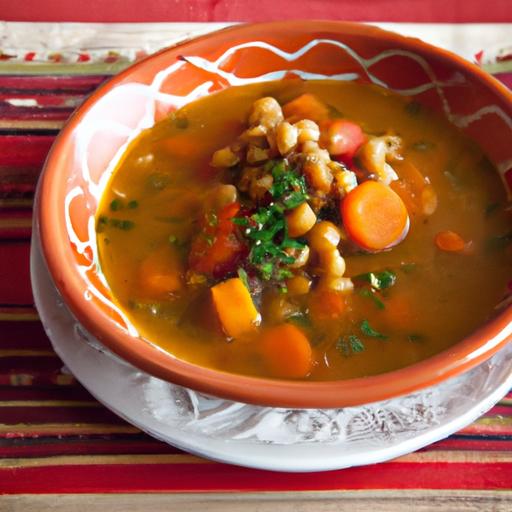

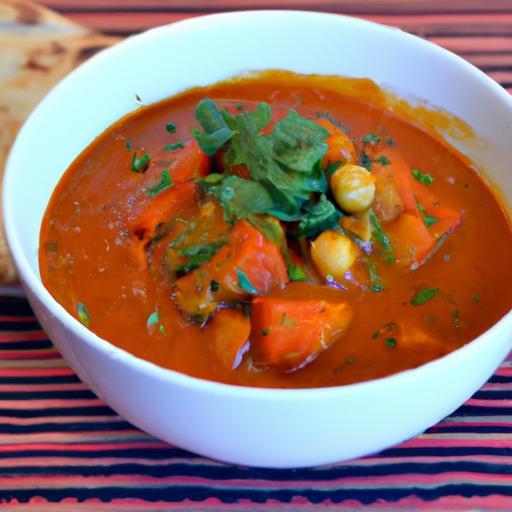
At the heart of Moroccan culinary heritage lies a soup that is much more than just a comforting dish-it is indeed a vibrant tapestry of history, culture, and flavor. Harira, a hearty and aromatic soup, embodies the spirit of Morocco’s rich traditions and communal gatherings. With its fragrant blend of tomatoes, lentils, chickpeas, tender meat, and a symphony of spices, Harira offers not only nourishment for the body but also a warm invitation to experience the country’s soul through every simmering spoonful. Join us as we explore the origins, ingredients, and cultural significance of this beloved Moroccan staple, uncovering why Harira remains an enduring symbol of hospitality and celebration across generations.
Harira: Morocco’s Hearty Soup Steeped in Tradition and Flavor has long been a beloved cornerstone of Moroccan cuisine, a soul-warming delight that tells stories of family gatherings, spiritual reflection, and the rich tapestry of Moroccan heritage. This iconic soup is more than just a meal-it is indeed a celebration of vibrant spices, humble ingredients, and cultural resilience passed down through generations.
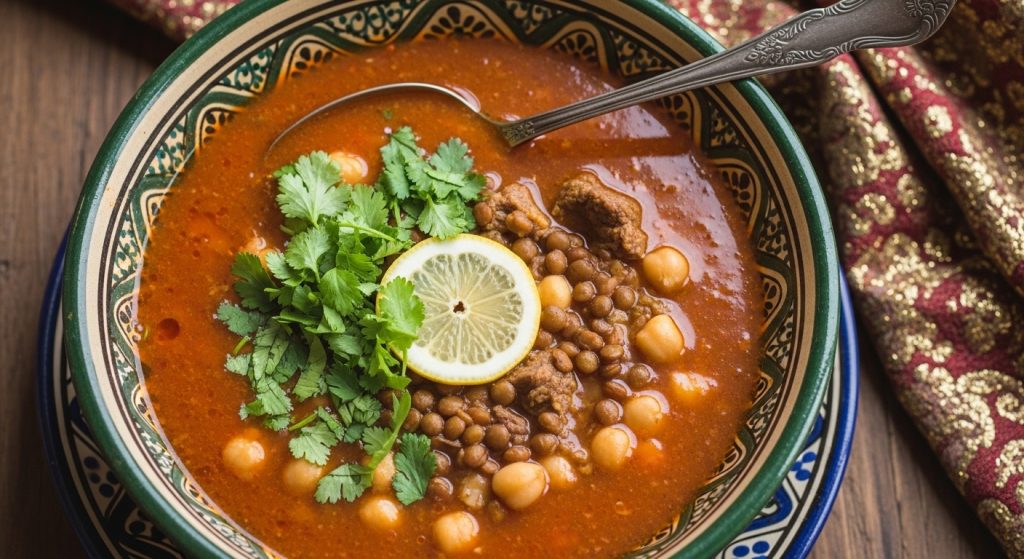
Origins and Cultural Significance of Harira in Moroccan Heritage
Harira holds a revered place in Moroccan culture, traditionally served to break the fast during Ramadan and at celebratory gatherings such as weddings and Eid festivities. Rooted in North African culinary traditions, this soup embodies community spirit-it is often enjoyed in large bowls shared amongst friends and family. The warmth of its tomato-based broth and the earthy richness of lentils and chickpeas evoke a deep sense of comfort and belonging. As you craft your own Harira, you partake in an age-old ritual that honors hospitality, nourishment, and Moroccan identity.
Key Ingredients and Flavor Profiles That Define authentic Harira
At its heart, authentic Harira is a symphony of flavors-robust and aromatic. The foundation lies in fresh tomatoes and tomato paste, which create a slightly tangy, rich base. chickpeas and lentils add hearty texture and earthiness. Aromatics like onion, celery, and garlic provide a savory backbone, while herbs such as fresh cilantro and parsley bring brightness and balance. The distinctive warm notes come from a carefully curated spice blend including cinnamon, ginger, cumin, and a hint of turmeric. A splash of lemon juice just before serving adds a delightful zing that lifts the entire bowl.
prep and Cook Time
- Preparation: 25 minutes
- Cooking: 1 hour 15 minutes
- Total Time: 1 hour 40 minutes
Yield
Serves 6 generously
Difficulty Level
Medium – Perfect for cooks cozy with layering spices and attentive simmering.
Ingredients
- 2 tbsp olive oil
- 1 large onion, finely chopped
- 2 celery stalks, finely diced
- 3 garlic cloves, minced
- 4 large ripe tomatoes, peeled and pureed or 1 cup canned tomato puree
- 2 tbsp tomato paste
- 1 cup dried chickpeas, soaked overnight and drained
- 1/2 cup red lentils, rinsed
- 1/2 cup fresh cilantro, chopped
- 1/2 cup fresh parsley, chopped
- 1 tsp ground cinnamon
- 1 tsp ground ginger
- 1 tsp ground cumin
- 1/2 tsp turmeric
- 1/4 tsp black pepper
- Salt to taste
- 6 cups vegetable or lamb broth
- 1/4 cup all-purpose flour, mixed with 1/2 cup water (for thickening)
- Juice of 1 lemon
- Optional: 200g tender lamb, cubed (for non-vegetarian version)
Step by Step Guide to Crafting the perfect Hearty Harira Soup
- Heat your olive oil in a large heavy-bottomed pot over medium heat. Add the finely chopped onion and celery, sautéing gently until translucent and fragrant, about 7 minutes.
- Add the garlic and cook for another 1 minute, stirring constantly to avoid burning.
- If using lamb, add meat cubes now, browning them until sealed on all sides, approximately 6-8 minutes.
- Stir in the pureed tomatoes and tomato paste, cooking for 5 minutes until well combined and the mixture thickens slightly.
- Add soaked chickpeas and lentils,followed by broth. Bring to a gentle boil, then reduce heat and simmer partially covered for 45 minutes, stirring occasionally.
- Mix in all spices-cinnamon, ginger, cumin, turmeric, black pepper-and salt. Toss in the chopped cilantro and parsley, saving a bit for garnish.
- Whisk the flour and water mixture thoroughly to avoid lumps, then slowly drizzle into the simmering soup while stirring vigorously. This thickens the broth to a velvety consistency.
- Continue to simmer for 10-15 more minutes. The soup should be rich, hearty, and fragrant.
- Turn off heat and stir in fresh lemon juice for brightness.
- Adjust seasoning as needed before ladling into bowls.
Tips for Enjoying Harira with Customary Accompaniments and Festive Occasions
Serve Harira steaming hot alongside dates, which complement its earthiness with natural sweetness, a traditional Ramadan custom. Pair it with chebakia (Moroccan sesame pastries) or batbout (small Moroccan flatbreads) to soak up every drop of the luscious broth. For a crowd, present Harira in a communal bowl with generous sprinkles of fresh herbs and lemon wedges on the side for added zest.
Harira’s depth and heart make it a centerpiece at festive tables, whether during the holy month of Ramadan, holiday feasts, or casual family dinners.Its complex spice profile offers both comfort and sophistication, celebrating Moroccan culinary artistry at its finest.
Chef’s Notes
- For a vegetarian or vegan version, easily omit lamb and use vegetable broth.
- Chickpeas can be swapped for canned to reduce soak time but rinse thoroughly to avoid excess sodium.
- If you prefer a thicker soup, increase the flour-water mixture gradually.
- Harira tastes even better the next day-store leftovers in an airtight container refrigerated up to 3 days.
- Adjust spices according to your palate, but do not skip cinnamon-it adds a characteristic warm note.
Serving Suggestions
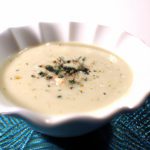
Garnish bowls of Harira with freshly chopped cilantro and a wedge of lemon on the side. drizzle a little extra virgin olive oil on top for richness. Serve alongside warm flatbreads and a bowl of dates or honey-glazed pastries to complete this authentic Moroccan experience.
| Nutritional Info (per serving) | Calories | Protein | Carbohydrates | Fat |
|---|---|---|---|---|
| Harira Soup | 310 kcal | 15 g | 40 g | 7 g |
discover more about Moroccan spices to deepen your flavor journey. For authentic ingredient sourcing, visit Moroccan Food Network.

Q&A
Q&A: Harira – Morocco’s Hearty Soup Steeped in Tradition and Flavor
Q1: What is Harira, and why is it so beloved in Moroccan culture?
A1:Harira is a rich, hearty soup that holds a special place in Moroccan hearts and homes. This fragrant blend of tomatoes, lentils, chickpeas, tender meat (often lamb or beef), and fresh herbs is simmered to perfection. Beyond its appetizing taste, the soup is treasured for its cultural significance, especially during Ramadan, when it provides nourishment and comfort after a day of fasting. More than a meal, it stands as a symbol of hospitality, tradition, and communal warmth.
Q2: Were did Harira originate, and how has it evolved over time?
A2: Harira traces its roots to morocco, with influences from Berber, Arab, and Andalusian culinary traditions. Originally a simple broth,it evolved as local ingredients and trade introduced spices like cinnamon,ginger,and saffron,enriching its flavor profile.Each Moroccan family often claims a secret twist to their Harira,passed down through generations,making every pot a unique celebration of heritage.
Q3: What are the key ingredients that give Harira its distinctive flavor?
A3: At its heart, Harira combines tender tomatoes and slow-cooked meat with protein-rich lentils and chickpeas. Fresh herbs such as cilantro and parsley add brightness, while spices like turmeric, cinnamon, ginger, and pepper lend warmth and depth. A touch of flour or eggs is sometimes stirred in to add silkiness, creating a soup that’s both hearty and aromatic-perfect for nourishing body and soul.
Q4: How is Harira traditionally enjoyed during Ramadan?
A4: during Ramadan,Harira serves as the quintessential dish to break the fast. Its rich combination of protein and carbs replenishes energy quickly, while its soothing warmth comforts the spirit after a day of abstinence. Families and communities frequently enough gather to share Harira, accompanied by dates and chebakia (sweet sesame cookies), transforming an ordinary meal into a sacred ritual of togetherness.
Q5: Can Harira be adapted for modern dietary preferences?
A5: Absolutely! While traditional harira includes meat,there are delicious vegetarian and even vegan variations that spotlight the soup’s hearty legumes and fresh spices.Some recipes replace meat broth with vegetable stock, and others experiment with grains like quinoa or barley. The essence of Harira-its vibrant flavor and soul-warming qualities-shines through no matter the adaptation.
Q6: What is the best way to savor Harira for an authentic Moroccan experience?
A6: To truly appreciate Harira, serve it piping hot in a deep bowl, garnished with a wedge of lemon and a sprinkle of fresh herbs. Pair it with warm khobz (Moroccan bread) to soak up every last drop. share it amongst family or friends, allowing the flavors and stories to be savored together-because Harira is as much about connection as it is about cuisine.
Q7: Why should food lovers around the world explore Harira beyond its recipe?
A7: harira is a delicious portal into Moroccan culture, history, and communal values. It tells a story of centuries-old traditions, seasonal cycles, and the art of bringing people together around the table. For food lovers,embracing Harira means embracing a rich tapestry of flavor,hospitality,and heritage-making every spoonful a journey worth savoring.
Final Thoughts
As the final spoonful warms the soul, it becomes clear that this beloved Moroccan soup is far more than just a dish, it is a living tapestry of history, culture, and community. With each aromatic blend of spices, tender legumes, and fresh herbs, it tells the story of generations who have gathered around the table to share nourishment and connection. Whether enjoyed during Ramadan or as a comforting meal any time of year, this traditional soup remains a testament to Morocco’s rich culinary heritage and its enduring ability to bring people together, one hearty bowl at a time.