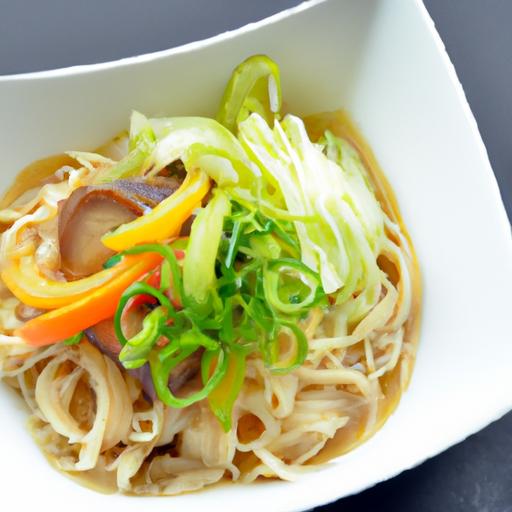

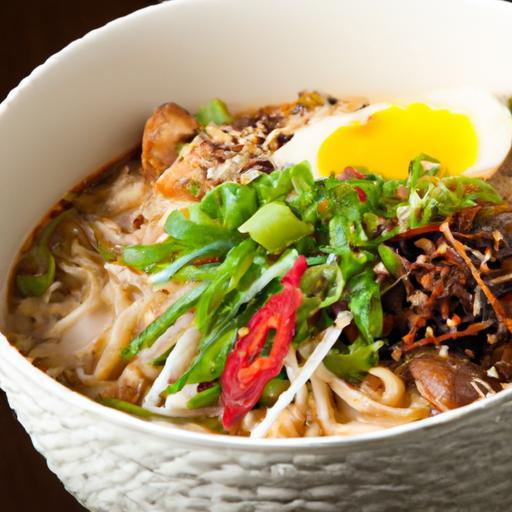
There’s more to ramen than just a fast, comforting slurp on a rainy day. Beneath its steamy surface lies a world of flavorful secrets adn surprisingly healthy twists waiting to be uncovered. Welcome to “Slurp Smart: Discover the Secrets to Healthy Ramen Noodles,” where tradition meets nutrition and indulgence finds balance. Whether you’re a noodle newbie or a seasoned ramen aficionado, this guide will transform your bowl from a guilty pleasure into a nourishing feast that fuels your body and delights your taste buds. Get ready to dive deep into the art and science of crafting ramen that’s as wholesome as it is flavorful.
Slurp Smart: Choosing the Right Ingredients for a Nutritious Ramen Bowl
Slurp Smart is more than just a call to savor your noodles; it’s a mindful approach to crafting a ramen bowl that delights your palate while nourishing your body. The secret lies in selecting the freshest, most wholesome ingredients that harmonize bold broth flavors with vibrant vegetables and lean proteins. Let’s dive into building a ramen experience that’s both indulgent and health-boosting.
Prep and Cook Time
- Preparation: 15 minutes
- Cooking: 30 minutes
- Total: 45 minutes
Yield
Serves 4 hearty bowls
Difficulty Level
Medium – perfect for those eager to elevate their ramen game with healthier choices
Ingredients
- Broth Base: 6 cups low-sodium chicken or vegetable broth
- Miso paste: 3 tablespoons (white or yellow for a mild, sweet flavor)
- Garlic: 4 cloves, minced
- Fresh ginger: 1 inch, grated
- Scallions: 4, thinly sliced
- Fresh shiitake mushrooms: 1 cup, sliced
- Baby spinach: 2 cups, washed and trimmed
- Carrots: 1 medium, julienned
- Firm tofu: 200 grams, cubed (can substitute with skinless chicken breast)
- Edamame: 1 cup, shelled
- seaweed sheets (nori): 2 sheets, cut into strips
- Whole wheat or brown rice ramen noodles: 8 ounces (reserve ¼ cup cooking water)
- Sesame oil: 1 tablespoon
- Low-sodium soy sauce or tamari: 2 tablespoons
- Fresh lime juice: 1 tablespoon
- Red chili flakes (optional): ½ teaspoon
Instructions
- Prepare the broth: In a large pot, heat sesame oil over medium heat. Add minced garlic and grated ginger, sautéing until fragrant, about 2 minutes.
- Add mushrooms and scallions: Stir in the shiitake mushrooms and half the scallions, cooking for another 3 minutes until softened and aromatic.
- Pour in broth and season: Add the low-sodium chicken or vegetable broth and bring to a gentle boil. Stir in miso paste until fully dissolved.
- Simmer proteins and vegetables: Add cubed tofu, edamame, and carrots. Reduce heat and simmer for 10 minutes, letting flavors meld.
- cook noodles: In a separate pot,boil the whole wheat or brown rice ramen noodles until al dente,approximately 4 minutes. Drain, reserving ¼ cup of cooking water.
- Combine and enhance: Add the cooked noodles to the broth. If the soup is too thick, adjust with reserved cooking water.Stir in baby spinach, allowing it to wilt naturally in the hot broth.
- Season final touches: Stir in soy sauce, fresh lime juice, and optional red chili flakes for zing. Taste and adjust seasoning.
- Serve: Ladle ramen into bowls, garnish with remaining scallions and nori strips.
Tips for Success
- broth balance: Achieve depth by combining miso’s umami with fresh aromatics like ginger and garlic; low sodium keeps it heart-friendly.
- Vegetable variety: Incorporate seasonal vegetables such as bok choy or snap peas for extra texture and nutrition.
- Proteins: Tofu is embraced for a plant-based boost,but skinless chicken or boiled eggs also complement the dish beautifully.
- Noodle swaps: Whole wheat ramen provides fiber; brown rice noodles are gluten-free. Experiment to find your favorite healthy staple.
- Make ahead: Prepare broth in advance and refrigerate; fresh vegetables and noodles work best when added just before serving.
Serving Suggestions
Present your nourishing ramen in deep bowls topped with a spritz of fresh lime and extra crunchy scallions. Pair with a side of steamed edamame sprinkled lightly with sea salt. For a vibrant finish, sprinkle toasted sesame seeds and a few drops of chili oil for heat. This dish shines with a crisp green tea or a sparkling cucumber water to cleanse the palate.

| Nutrient | Per Serving |
|---|---|
| Calories | 380 |
| Protein | 22g |
| Carbohydrates | 45g |
| Fat | 8g |
For those curious about the health benefits of miso and fermented ingredients, the Healthline guide to miso nutrition offers excellent insights.
Hungry to explore more nutritious Asian-inspired recipes? Check our Healthy Vegetable Stir Fry article for another vibrant, nutrient-packed dish idea!
Q&A
Q&A: Slurp Smart – Discover the Secrets to Healthy ramen Noodles
Q1: Why is ramen often considered unhealthy?
A: Traditional instant noodles tend to be loaded with sodium, unhealthy fats, and artificial additives. Many packaged versions also contain flavor enhancers that can spike your blood pressure or leave you feeling sluggish. But the good news? The dish itself isn’t the culprit—it’s how we prepare and consume it!
Q2: Can ramen actually be nutritious?
A: Absolutely! Ramen noodles are primarily made from wheat flour, and when combined with wholesome ingredients, they can become a balanced meal. Think of ramen as a blank canvas for nutrition: toss in lean proteins, fresh veggies, and rich broths to transform it into a powerhouse dish.
Q3: What’s the secret to making ramen healthier?
A: It’s all about smart swaps and additions. Use low-sodium broth, add plenty of vegetables like spinach, mushrooms, and carrots, and include protein sources such as tofu, eggs, or grilled chicken. Also, try using whole grain or shirataki noodles for more fiber and fewer carbs.
Q4: How can I reduce the sodium without sacrificing flavor?
A: Experiment with herbs and spices like ginger, garlic, chili flakes, and cilantro. A splash of soy sauce or miso paste can jazz up your broth with less salt.Infusing your ramen with umami-rich ingredients like dried seaweed or shiitake mushrooms adds depth without the sodium overload.
Q5: Are instant ramen packets a lost cause?
A: Not necessarily! Rinsing instant noodles before cooking can wash away some of the preservatives and excess starch. Pairing them with nutrient-dense toppings and opting for brands with reduced sodium or organic ingredients can make a difference. But for ultimate health, fresh or homemade noodles are best.
Q6: Can ramen fit into a weight-loss or fitness plan?
A: Definitely-when prepared mindfully. Portion control is key, and also incorporating balanced macros: lean protein, fibrous veggies, and complex carbs. Avoid heavy creamy broths or fried toppings and instead favor light, broth-based soups with nutrient-packed add-ons.
Q7: any fun twists to keep ramen exciting yet healthy?
A: Try ”Zoodle” ramen-swap noodles for spiralized zucchini-or add a dollop of natural peanut butter for richness and protein. Another twist: topping your ramen with kimchi or fermented veggies for a probiotic boost, or adding turmeric and coconut milk for a vibrant, anti-inflammatory bowl.
Q8: How do cultural ramen varieties inspire healthy eating?
A: Traditional Japanese ramen focuses on simmered bone broth, fresh toppings, and balanced flavors, which can inspire healthier homemade recipes. Similarly, Korean and Vietnamese noodle soups emphasize fresh herbs and lean proteins, showing that ramen can be both comforting and nourishing.
Q9: Where should I start if I want to make my own healthy ramen at home?
A: Begin with a good-quality broth-homemade or store-bought low-sodium options.Pick your favorite veggies and protein, cook your noodles just right, and layer in flavors thoughtfully. Plenty of online recipes can guide you step-by-step towards that perfect bowl.
Q10: What’s the biggest mindset shift for ”slurping smart”?
A: Treat ramen not as a guilty pleasure but as an possibility to nourish creatively. It’s about mindfulness-being aware of ingredients, savoring textures, and balancing taste with health. When you slurp smart,you enjoy all the scrumptiousness without compromise!
To Conclude
As you embark on your next ramen adventure,remember that slurping smart isn’t just about savoring every flavorful drop-it’s about nourishing your body with mindful choices. By selecting wholesome ingredients, balancing flavors, and embracing mindful eating habits, you can transform a simple bowl of noodles into a deliciously healthy ritual. So go ahead, dive into that steaming bowl with confidence, knowing you’ve unlocked the secrets to enjoying ramen noodles the smart, nutritious way. Your taste buds-and your well-being-will thank you.