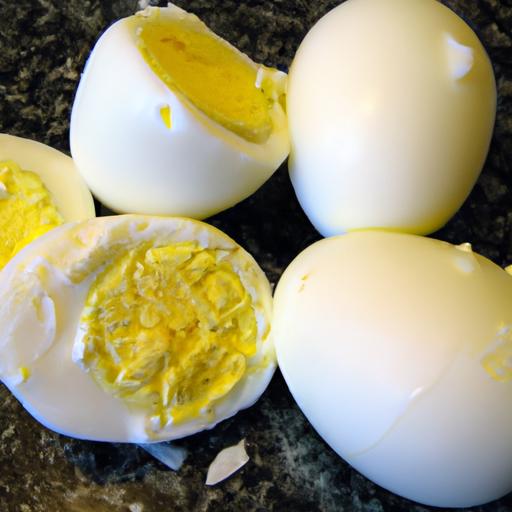

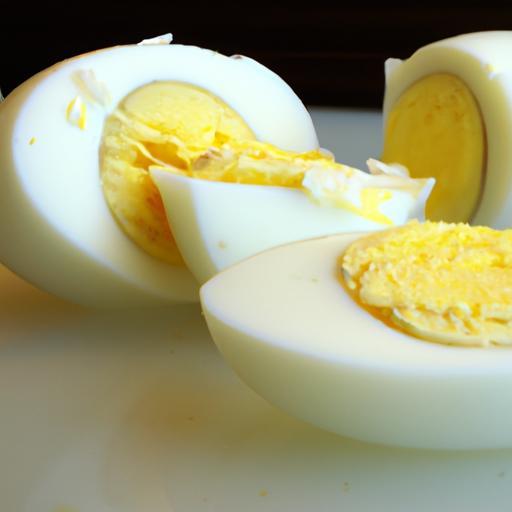
There’s a quiet revolution happening in kitchens everywhere, transforming one of the simplest ingredients-eggs-into a perfectly cooked, effortlessly peeled snack or meal addition. Welcome to the world of oven-baked hard boiled eggs, where traditional stovetop methods meet modern convenience. Say goodbye to the mystery of cracking shells or the frustration of overcooked yolks, and say hello to a foolproof technique that delivers flawless eggs every time. Whether you’re meal prepping for the week or simply craving a protein-packed treat, baking your eggs in the oven is the easy, hands-off secret to consistently tasty results. Let’s crack open this new approach and discover how to make perfect hard boiled eggs a breeze!
Oven-Baked Hard Boiled Eggs offer a foolproof way to enjoy perfectly cooked eggs without the fuss of boiling water. This method transforms a simple kitchen staple into a hands-off, consistent delight-ideal for meal prep or when you want flawless eggs for salads, snacks, or creative dishes. From a humble beginning of trial and error in my test kitchen, I discovered how gently baking eggs at just the right temperature results in tender whites and creamy yolks, every single time.

Prep and Cook Time
- Readiness: 5 minutes
- Cooking: 30 minutes
- Cooling: 10 minutes
- Total Time: 45 minutes
Yield
6 servings (1 egg per serving)
Difficulty Level
Easy - perfect for beginners and busy home cooks alike
Ingredients
- 6 large eggs, cold and straight from the fridge
- Optional: Ice water bath for cooling
Choosing the Right Oven Temperature for Flawless hard Boiled Eggs
The secret to oven-baked hard boiled eggs lies in the perfect temperature-too hot and you risk rubbery whites and chalky yolks; too low and the eggs won’t cook uniformly. A steady 325°F (163°C) strikes the ideal balance, gently cooking the eggs through without shock or overcooking. This moderate temperature mimics the gentle simmer of boiling water but without the risk of cracking or uneven heating.
preheat your oven fully before placing the eggs in to ensure consistent heat. Arrange the eggs in a single layer on a baking pan or muffin tin to prevent rolling and cracking during baking.
Step by Step Guide to Preparing and Baking Eggs in the Oven
- Preheat your oven to 325°F (163°C). Place a wire rack or a muffin tin inside to keep eggs from movement.
- Arrange the cold eggs evenly on the rack or muffin tin, ensuring they do not touch to prevent cracking.
- Bake the eggs for exactly 30 minutes. Resist the urge to open the oven door frequently,which causes temperature fluctuations.
- Prepare an ice water bath while the eggs bake-fill a large bowl with cold water and ice cubes.
- Remove the eggs carefully with tongs or oven mitts and immediately place them into the ice bath for at least 10 minutes. This stops the cooking process and makes peeling easier.
- Peel the eggs under running water for smooth removal of the shell. Dry and enjoy or refrigerate.
Creative Twists on Classic Hard Boiled Eggs straight from the Oven
Once you master perfect oven-baked hard boiled eggs, the possibilities become endless. Try these inspired variations:
- Deviled Egg Trio: Mix smooth yolks with avocado, sriracha, and smoked paprika for a vibrant platter.
- Pickled Eggs: Bake first, then submerge peeled eggs in a tangy beet-vinegar brine for colorful zing.
- Everything Bagel Eggs: Lightly brush peeled eggs with olive oil and sprinkle everything bagel seasoning for a crunchy snack.
- Herb-Infused Salads: Chop and toss eggs with dill, chives, and lemon zest for fresh, bright flavors.
These twists elevate the humble egg into a stunning culinary canvas with minimal effort.
Troubleshooting Common Oven-Baked Egg Issues for Perfect Results
encountering hiccups is normal on the path to perfect eggs. Here are solutions to common problems:
- Cracked Eggs: Eggs that crack during baking are frequently enough due to overcrowding or rapid temperature change. Use a muffin tin to secure them and avoid opening the oven door frequently.
- Rubbery Whites: if your whites turn rubbery, ensure your temperature isn’t too high. Keep ovens set to 325°F (163°C), avoiding hotter settings.
- Green-Gray Yolk ring: This indicates slight overcooking. Stick to a precise 30 minutes and cool immediately in ice water to prevent this reaction.
- Difficulty Peeling: For fresh eggs, peeling may be tricky.Adding a teaspoon of baking soda to the water bath or ensuring thorough cooling improves peelability.
With these troubleshooting tips, perfect oven-baked hard boiled eggs become achievable every time.
Chef’s Notes & Tips for Success
- Use eggs straight from the fridge for better shell retention during baking.
- Maintain a single layer of eggs with space around each for even heat circulation.
- cool eggs fully in ice water to stop cooking and ease peeling-don’t skip this step.
- Store peeled baked eggs in an airtight container up to one week in the refrigerator.
- For larger batches, increase baking time by 5 minutes per dozen eggs.
- Try seasoning baked eggs by cracking shells gently before baking and placing herbs or spices on the shell surface for subtle infusions.
Serving Suggestions
Oven-baked hard boiled eggs are incredibly versatile. Serve them whole with a sprinkle of flaky sea salt and cracked black pepper alongside crisp greens for an elegant brunch. Halve and drizzle with truffle oil or your favourite aioli for simple sophistication. For a protein-packed snack, slice them onto avocado toast or salad bowls.
Garnishes like finely chopped chives, smoked paprika dusting, or microgreens add a vibrant touch and elevate presentation.

| Nutrient | Amount per Egg |
|---|---|
| Calories | 70 kcal |
| Protein | 6 g |
| Carbohydrates | 0.6 g |
| Fat | 5 g |
For more on creative egg recipes and high-protein snacks, check out our Delicious deviled Eggs Collection. To learn more about egg safety and storage, visit FoodSafety.gov.
Q&A
Q&A: Oven-baked Hard Boiled Eggs – Easy, Perfect Every Time!
Q1: Can you really hard boil eggs in the oven?
Absolutely! Baking eggs in the oven might sound unconventional, but it’s a game-changer. Rather of boiling water on the stove, you simply place raw eggs in a muffin tin or directly on the rack and bake them. The gentle, consistent heat cooks the eggs evenly, producing perfect hard-boiled eggs every time-no water bath needed!
Q2: How long do I bake eggs in the oven for hard-boiled perfection?
Preheat your oven to 325°F (163°C) and bake the eggs for about 25-30 minutes. Timing can vary slightly based on your oven,but this range reliably yields fully cooked yolks with firm whites and no rubbery texture.
Q3: do I need to oil the muffin tin or wrap the eggs in foil?
Nope! You don’t need to grease the pan or wrap eggs in foil. Simply place them in the muffin tin or directly on the oven rack to prevent rolling. This makes cleanup super easy and keeps eggshells intact.
Q4: How do I cool the eggs quickly after baking?
Once the eggs come out of the oven, transfer them immediately to a bowl of ice water or place them under cold running water for at least 5 minutes.This “shocks” the eggs,halting the cooking process and making peeling much easier.
Q5: Are oven-baked eggs easier to peel than boiled ones?
Many people find that oven-baked eggs have shells that peel off with less fuss. Since the heat surrounds the eggs evenly, the membrane tends to separate cleaner from the shell, saving you from that frustrating peeling experience.
Q6: Can I bake as many eggs as I want at once?
Yes! The oven method is fantastic for batch-cooking.Just arrange eggs in a single layer on racks or muffin tins without overcrowding.Whether you need 6 or 20 eggs, they’ll bake evenly and be ready all at once.
Q7: Is oven-baking eggs more energy efficient than boiling?
It can be-especially if you’re cooking a large batch. Heating the oven once for 25-30 minutes uses similar or less energy than boiling multiple pots of water, and it frees up stove space for other cooking tasks.
Q8: Can I bake eggs at temperatures other than 325°F?
Yes,but 325°F is the sweet spot for perfectly cooked eggs with tender whites and creamy yolks. Higher temperatures risk overcooking or rubbery texture, while lower temperatures might take longer or produce undercooked yolks.
Q9: Are there any safety considerations with baking eggs in the shell?
The eggs need to be handled gently to avoid cracking before baking. also, ensure the eggs reach a safe internal temperature (about 160°F/71°C) to prevent any foodborne risks. following the recommended baking time at 325°F achieves this safety standard.
Q10: Can I use this method for other types of eggs, like duck or quail?
Definitely! Adjust the baking time based on egg size-quail eggs require less time, while larger duck eggs need a bit longer. This method offers a versatile way to cook various eggs without boiling water at all.
Oven-baked hard boiled eggs take the mess and guesswork out of your kitchen routine. Once you try this easy, foolproof method, making eggs for snacks, salads, or meal prep will never be the same again!
Future Outlook
Whether you’re prepping snacks for the week or adding a protein-packed punch to your salads, oven-baked hard boiled eggs are a game-changer.With minimal effort and maximum consistency, this method takes the guesswork out of perfectly cooked eggs every single time. So next time you crave that creamy yolk with a tender white, remember: your oven’s not just for baking-it’s your new secret weapon for flawless hard boiled eggs. easy, efficient, and endlessly versatile, it’s time to make oven-baked eggs a staple in your kitchen routine.Happy cracking!