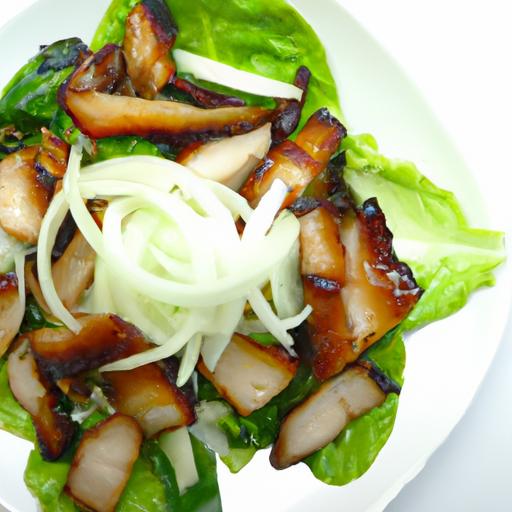

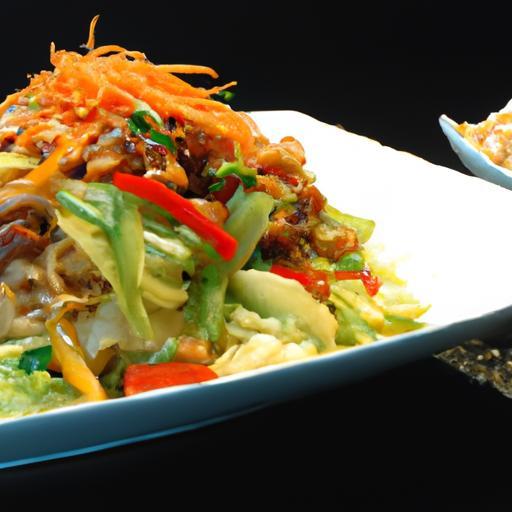
Step into a world were vibrant aromas dance on your palate and every bite tells a story centuries in the making. Asian cuisine, with its rich tapestry of spices, textures, and techniques, offers a culinary adventure that transcends borders and ignites the senses. From the fiery depths of Szechuan kitchens to the delicate artistry of Japanese sushi masters, authentic Asian dishes invite both the curious cook and seasoned food lover to explore a mosaic of flavors that are as diverse as they are delicious. In this article, we’ll guide you through a selection of genuine recipes that capture the essence of Asia’s moast beloved culinary traditions-ready for you to taste, savor, and recreate in your own kitchen.
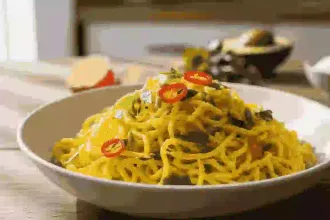
Savor the Flavors of classic Pad Thai, one of Thailand’s most beloved dishes that perfectly embodies the balance of sweet, sour, salty, and spicy notes. This iconic stir-fried noodle dish is a celebration of vibrant textures-crisp peanuts, tender noodles, fresh bean sprouts, and a zesty tamarind sauce. Its humble street food origins have transcended borders, making it a global favourite and an essential recipe for anyone mastering authentic Asian cuisine. Preparing Pad Thai at home offers a satisfying journey through Asia’s rich culinary traditions,combining essential ingredients and techniques that bring true depth of flavor to your kitchen.
Prep and Cook Time
- Preparation: 15 minutes
- Cooking: 10 minutes
- Total Time: 25 minutes
Yield
- Serves 4 generous portions
Difficulty Level
- Medium - perfect for home cooks looking to challenge themselves with authentic stir-fry techniques
Ingredients
- 8 oz dried rice noodles,soaked in warm water for 30 minutes until pliable
- 2 tablespoons tamarind paste,for that signature tangy punch
- 3 tablespoons fish sauce,adds essential umami depth
- 2 tablespoons palm sugar or light brown sugar,finely grated
- 3 tablespoons vegetable oil,for stir-frying
- 3 cloves garlic,minced
- 2 large eggs,lightly beaten
- 8 oz shrimp or chicken,cleaned and thinly sliced
- 1 cup firm tofu,cubed and lightly fried
- 1 cup bean sprouts,fresh and rinsed
- 3 green onions,sliced diagonally
- 1/4 cup roasted peanuts,roughly chopped
- 1 lime,cut into wedges for garnish
- Fresh cilantro and dried chili flakes (optional)
Instructions
- Prepare the sauce: In a small bowl,whisk together tamarind paste,fish sauce,and palm sugar until the sugar dissolves.Set aside.
- Heat the wok or large skillet: Add the vegetable oil over medium-high heat. Once shimmering, add the minced garlic and sauté until golden and fragrant, about 30 seconds.
- Add protein and tofu: Toss in shrimp (or chicken) and fried tofu. Stir-fry until shrimp turns pink and chicken is cooked through, about 3-4 minutes.
- Push the ingredients aside: Pour the beaten eggs into the cleared space and scramble gently until just set, then mix everything together.
- Incorporate noodles: Drain noodles and add to the wok. Pour the prepared sauce over and toss vigorously to coat evenly and heat through, about 2-3 minutes. Add a splash of water if needed to loosen the sauce.
- Add crunch and freshness: Stir in bean sprouts and green onions. Cook for another minute to combine.
- Plate and garnish: Serve immediately with chopped peanuts, lime wedges, fresh cilantro, and a sprinkle of chili flakes if you desire a spicy kick.
tips for Success
- Soaking noodles: Ensure your rice noodles are softened but not over-soaked, as they will cook quickly in the wok. Slightly under-soaked noodles help maintain the perfect chewy bite.
- Tamarind paste substitution: If unavailable, substitute with a combination of lime juice and a touch of brown sugar, but note the subtle difference in authentic flavor.
- Protein alternatives: Pork,tofu,or a combination works beautifully-adjust cooking times accordingly.
- Make-ahead tip: Prepare the sauce and chop ingredients ahead to streamline cooking, making it a quick weeknight meal.
- Stir-fry technique: Use high heat and quick, constant stirring to prevent sticking and maintain texture.
Serving Suggestions
Present your Pad Thai on a warm plate topped with vibrant chopped peanuts and sprigs of cilantro for visual contrast. Add a side of extra lime wedges so guests can customize acidity. Pair with a refreshing Thai iced tea or chilled jasmine rice for a complete meal. A small bowl of crisp cucumber salad offers a cooling counterpoint to the rich, savory noodles.

| Nutrient | Per Serving |
|---|---|
| Calories | 480 kcal |
| Protein | 28 g |
| Carbohydrates | 52 g |
| Fat | 15 g |
Ready to dive deeper? Explore more dishes in our Comprehensive Guide to Authentic Asian Cooking Skills, or learn about the history of Thai cuisine at Britannica’s Thai Cuisine Overview.
Q&A
Q&A: Savor the Flavors – Authentic Asian Cuisine Recipes to Try
Q1: What makes Asian cuisine stand out from other types of cooking?
A: asian cuisine is a vibrant tapestry of flavors, techniques, and cultural stories. It stands out due to its extraordinary balance of sweet, sour, salty, bitter, and umami tastes, often harmonized in a single dish. The use of fresh herbs, spices, and diverse cooking methods-like stir-frying, steaming, and fermenting-adds layers of complexity and depth that tantalize every palate.
Q2: Which Asian dishes are perfect for beginners trying authentic recipes at home?
A: For those new to Asian cooking, classics like japanese Teriyaki Chicken, Thai Green Curry, or Vietnamese Pho are fantastic starting points. These dishes use accessible ingredients and straightforward steps but deliver a taste that’s both authentic and extraordinary. Plus, they’re great gateways to exploring more intricate recipes later on.
Q3: How can home cooks ensure their Asian dishes taste authentic?
A: Authenticity begins with quality ingredients. Stock up on essentials like fresh ginger, garlic, lemongrass, soy sauce, fish sauce, and aromatic herbs such as cilantro and Thai basil. Equally important is respecting traditional preparation methods-take time to marinate, balance seasonings, and cook at the right temperatures. Watching cooking tutorials from native chefs or reading trusted cookbooks can also help replicate genuine flavors.
Q4: Are there any common mistakes to avoid when trying Asian recipes at home?
A: A few pitfalls can trip up even the most eager cooks.Avoid overpowering dishes with too much salt or soy sauce, which can mask the subtlety of other flavors. Skipping the prep work, such as chopping ingredients uniformly or pre-toasting spices, may result in uneven cooking or muted tastes. Lastly, be mindful not to substitute key ingredients with less authentic alternatives, as it can alter the dish’s character.
Q5: What’s one lesser-known Asian recipe that food lovers should definitely try?
A: Dive into the world of Filipino cuisine with “Laing” - a creamy, spicy dish made from dried taro leaves cooked in coconut milk with chili and shrimp paste. It’s a hidden gem that beautifully showcases the rich, bold flavors of the Philippines and offers a taste adventure beyond the usual Asian fare.
Q6: How can professionals and home cooks alike incorporate Asian flavors into everyday meals?
A: Start by integrating Asian condiments and spices into your regular cooking-think adding a splash of sesame oil to roasted vegetables or a spoonful of gochujang (Korean chili paste) into sauces and marinades.Experiment with noodles, rice bowls, and stir-fries packed with colorful veggies and proteins, seasoned with ginger, garlic, and citrus notes. This gradual fusion invites Asian authenticity into your kitchen without overwhelming your taste buds or routine.
Q7: Where can readers find trustworthy recipes and resources for authentic Asian cooking?
A: Renowned food blogs like “Rasa Malaysia,” “Just One Cookbook,” and “Maangchi” offer well-tested recipes and cultural insights. YouTube channels dedicated to Asian cuisines bring visual step-by-step guides that demystify techniques. Libraries and bookstores with cookbooks authored by native chefs also unlock culinary wisdom and stories behind each dish,enhancing both knowledge and flavor.
Dive into these questions and answers, and get ready to embark on a flavorful journey through Asia’s rich culinary landscape-one authentic recipe at a time!
To Wrap It Up
As your culinary journey through the vibrant tapestry of authentic Asian flavors comes to a close, remember that each recipe is more than just a dish-it’s a story waiting to be told on your plate. From the aromatic spices of India to the delicate umami of Japan, these recipes invite you to explore cultures, traditions, and ingredients that have been perfected over centuries. So, don your apron, sharpen your knives, and let your kitchen become a gateway to Asia’s rich and diverse culinary heritage. Savor every bite, and let these flavors inspire your next delicious adventure.