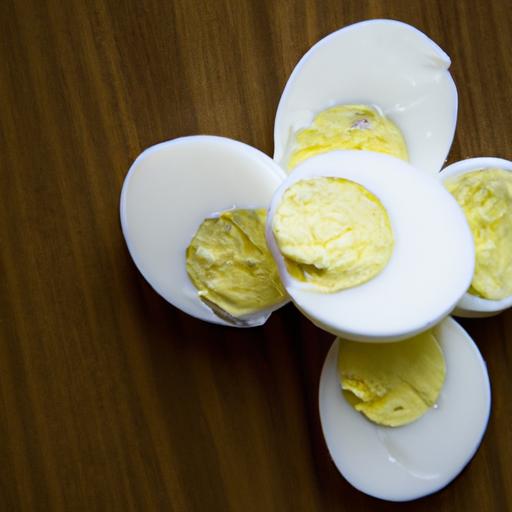

ThereS something wonderfully satisfying about peeling back the shell of a perfectly boiled egg to reveal a smooth, tender white encasing a vibrant, creamy yolk. Yet achieving this ideal balance often feels like a culinary mystery-one minute your eggs are sublime, the next, rubbery or chalky. Fear not, because mastering the art of boiling eggs is simpler than you think. In this guide, we’ll crack the code to egg-cellent results every time, sharing straightforward tips and tricks that transform this humble kitchen staple into a deliciously reliable treat. Whether you’re prepping snacks, salads, or breakfast classics, get ready to elevate your egg game with ease and confidence.
understanding the Science Behind the Ideal Boiling Process
Perfectly boiled eggs are the quintessential comfort food, but achieving the ideal texture every time requires more than just boiling water and a timer. The secret lies in understanding how heat transforms the delicate proteins inside the egg,turning translucent whites and creamy yolks into a masterpiece of consistency. When you bring water to a gentle boil,convection currents heat the egg gradually,allowing the albumin proteins to coagulate without becoming rubbery. Overcooking causes sulfur compounds to react with iron in the yolk, creating that unfriendly green ring, while undercooked eggs remain runny and unstable. Mastering this balancing act is your gateway to egg-cellent results every time.
Choosing the Right Eggs for Consistent Perfection
While fresh eggs are celebrated for their flavor, slightly older eggs (about 7-10 days old) are actually easier to peel, thanks to a natural increase in the pH of the albumen. Selecting eggs at this sweet spot will drastically improve your peeling success, reducing frustration and preserving the smooth white surface. Also, consider opting for medium or large eggs for the most predictable boiling times. Room temperature eggs help maintain even cooking as they won’t shock in hot water, preventing cracks and uneven textures.
Mastering Timing and Temperature for Every Doneness Level
Timing is the heart of perfectly boiled eggs, but don’t overlook temperature control.Start by gently lowering eggs into vigorously boiling water, then adjust the heat to maintain a gentle boil or rapid simmer. Here’s a quick guide to align your timing with your desired doneness:
- Soft-boiled: 4 to 5 minutes - whites set,yolks luxuriously runny
- Medium-boiled: 7 to 8 minutes – custard-like yolks,firmer whites
- Hard-boiled: 10 to 12 minutes – fully set yolks,tender whites
Remember,altitude affects boiling points,so add a minute or two if you’re cooking at higher elevations to maintain those perfect textures. Using a kitchen timer is essential for nail-biting precision, and a thermometer (if handy) can help confirm that water stays between 190°F and 205°F (88°C to 96°C), optimizing the cooking environment.
Cooling and Peeling Techniques to Preserve Egg Quality
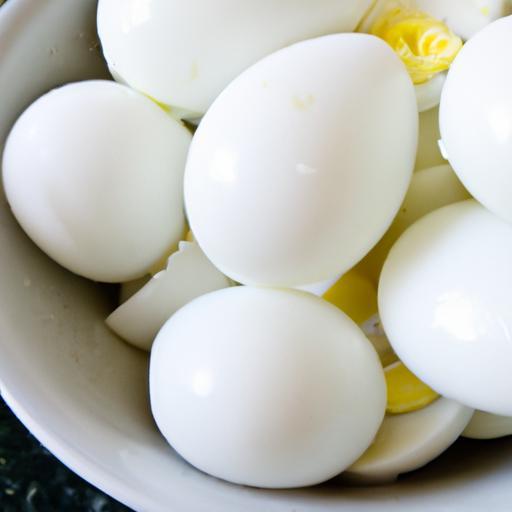
Once boiled to perfection, immediate cooling is a must to halt further cooking and avoid that dreaded greenish yolk ring. Submerge the eggs in an ice-water bath for at least 5 minutes. This shock treatment firms up the egg whites and contracts the membrane, making peeling smoother and faster. To peel, gently tap the egg on a hard surface, then roll it lightly to crack the shell all over. Starting from the wider end-were the air pocket lives-find the membrane and carefully ease it away, ideally under cold running water to flush away tiny shell fragments and enhance ease.
Prep and Cook Time
- Readiness: 5 minutes
- cooking: 4 to 12 minutes (depending on desired doneness)
- Cooling: 5 minutes
- Total: 14 to 22 minutes
Yield
Serves 4 eggs (adjust as needed)
Difficulty Level
Easy
Ingredients
- 4 large eggs, preferably 7-10 days old and at room temperature
- Water, enough to cover eggs by at least 1 inch
- Ice cubes (for ice bath)
Instructions
- Bring a medium saucepan filled with water to a vigorous boil over high heat.
- using a slotted spoon, gently lower the eggs into the boiling water to prevent cracking.
- Reduce heat to maintain a gentle boil or rapid simmer and start timing based on your preferred doneness:
- 4-5 minutes for soft-boiled
- 7-8 minutes for medium-boiled
- 10-12 minutes for hard-boiled
- Simultaneously occurring, prepare an ice-water bath by filling a large bowl with cold water and ice cubes.
- Once timed, immediately transfer eggs to the ice bath to stop cooking and cool thoroughly for at least 5 minutes.
- Peel eggs by tapping gently on a hard surface, rolling gently to crack the shell, and starting at the wider end. Peel under running cold water to ease removal and remove any small shell fragments.
Chef’s Notes for Egg-cellent Results
- For easier peeling,add a teaspoon of baking soda to the boiling water to increase the pH.
- Use a spoon instead of fingers to peel if you want to preserve the smoothest egg surface.
- If your eggs crack during boiling, adding a pinch of salt can help coagulate leaking whites.
- Store peeled eggs submerged in cold water in the fridge for up to 48 hours to keep them moist and fresh.
- Experiment with steaming eggs instead of boiling for more consistent results in tricky high-altitude environments.
Serving Suggestions
Perfectly boiled eggs can be enjoyed on their own with a sprinkle of flaky sea salt and cracked black pepper, or sliced delicately atop vibrant salads, avocado toasts, or nestled inside ramen bowls. Elevate presentation by garnishing with fresh herbs like chives or dill, a few pepper flakes, or a drizzle of truffle oil for an indulgent upgrade. For a classic brunch touch, serve with crisp toasted bread and a side of smoked salmon or sautéed greens.

| Nutrient | Per Egg (Large) |
|---|---|
| Calories | 78 kcal |
| Protein | 6.3 g |
| Carbohydrates | 0.6 g |
| Fat | 5.3 g |
For a deeper dive into egg science and more egg-citing recipes, check out our comprehensive guide on egg cooking techniques. Additionally, the Serious eats article on the science of boiling eggs offers captivating insights from culinary experts.
Q&A
Q&A: Perfectly Boiled Eggs – A simple Guide to Egg-cellent Results
Q1: What’s the secret to perfectly boiled eggs every time?
A1: Timing is your best friend! Start with room-temperature eggs, bring water to a gentle boil, and simmer rather than aggressively boil.Typically, 6 minutes for soft-boiled, 9 minutes for medium, and 12 minutes for hard-boiled eggs will give you consistent, egg-cellent results.
Q2: should I boil eggs in cold water or hot water?
A2: Both methods work, but starting eggs in hot water shortens cooking time and can help prevent that pesky green ring around the yolk. However, starting with cold water and gradually bringing it to a boil gives more control over timing-so choose your approach based on your patience and preference!
Q3: How do I avoid that greenish-gray ring around the yolk?
A3: That ring is caused by overcooking and a chemical reaction between iron in the yolk and sulfur in the white. To dodge this, don’t overboil! Also, plunge your eggs into an ice bath immediately after cooking to halt the cooking process and keep yolks bright and inviting.
Q4: Can I boil eggs straight from the fridge, or do they need to be at room temperature?
A4: Cold eggs can crack if dropped directly into boiling water, so it’s best to let them sit out for about 10-15 minutes. If short on time,gently lower them into hot water with a spoon and avoid sudden temperature shocks.
Q5: What’s the best way to peel boiled eggs without the frustration?
A5: Start with eggs that aren’t ultra-fresh-eggs that are a week old peel more easily. After boiling, shock them in ice water, then gently tap all over and roll to loosen the shell. Peeling under running water can help wash away stubborn bits and leave your eggs shell-free and smooth.
Q6: Any tips for getting that creamy,just-set yolk texture?
A6: Absolutely! For luscious,creamy yolks,aim for medium-boiled eggs at about 8-9 minutes.Keep them nearby in a cold bath to stop excess cooking. Dive in soon after cooling to savor that silky yolk perfection!
Q7: How long can I store boiled eggs in the fridge?
A7: Hard-boiled eggs keep well in the fridge for up to one week. Keep them unpeeled in a sealed container to maintain freshness. Peeled eggs can dry out faster, so enjoy those sooner rather than later for the best taste and texture.
Q8: Can altitude affect my boiling eggs?
A8: indeed! Higher altitudes mean water boils at lower temperatures, so your eggs will need a tad longer to reach that perfect set. add a minute or two to your usual cooking times and test to find your ideal timing.
With these egg-stra tips in your culinary arsenal, boiling eggs perfectly is no longer a mystery-it’s an art you can master with ease! Enjoy your journey to egg-cellence!
Closing Remarks
With just a pinch of patience and a splash of technique, perfectly boiled eggs are no longer a kitchen mystery but a deliciously achievable goal. Whether you’re crafting a vibrant salad, whipping up a creamy deviled egg, or simply enjoying a nutritious snack, mastering the boil transforms ordinary eggs into culinary stars.Armed with this simple guide, every egg in your batch can reach its yolky potential-leaving you with nothing but shell-cracking satisfaction.So go ahead, embrace the humble egg boil, and crack open a world of endless egg-cellent possibilities!