
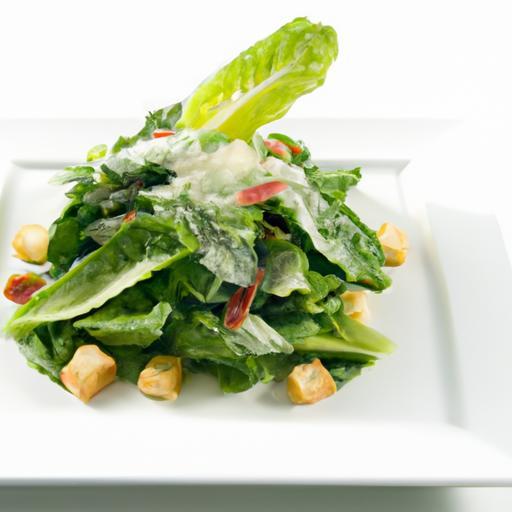
Crisp, tangy, adn endlessly refreshing, the caesar salad is a staple that has graced tables around the world for nearly a century. But behind its simple appearance lies a rich tapestry of history, culinary craftsmanship, and inventive flair. From its debated origins in a bustling Mexican kitchen to the classic blend of romaine, Parmesan, and anchovies, this beloved salad holds secrets that intrigue both food lovers and historians alike.
In this article, we’ll peel back the layers to explore the engaging story of the Caesar salad, uncover the essential ingredients that give it its signature zing, and discover fresh twists that breathe new life into this timeless favorite. Whether you’re a longtime fan or a curious newcomer, prepare to see the Caesar salad in an entirely new light.
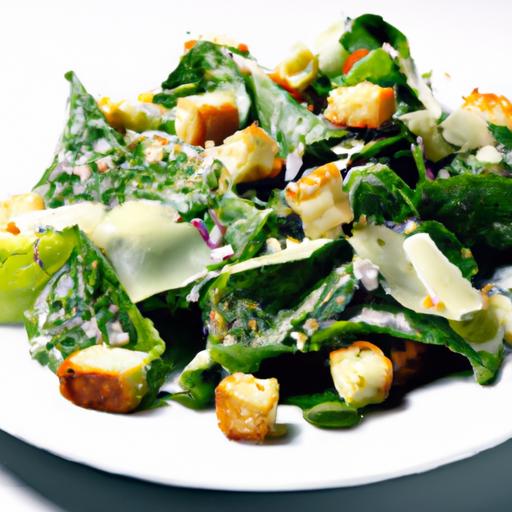
Caesar Salad Secrets is a culinary journey that uncovers the rich history and timeless appeal of one of the world’s moast beloved salads. originating from Tijuana, Mexico in the 1920s, this legendary creation was crafted by restaurateur Caesar Cardini using simple, fresh ingredients that harmonize into a vibrant, savory masterpiece. The blend of crunchy romaine, tangy dressing, and crispy croutons creates a balance of textures and flavors that has captivated taste buds for generations.
Prep and cook Time
- Preparation: 15 minutes
- Cook Time: 10 minutes (for homemade croutons)
- Total Time: 25 minutes
Yield
- Serves 4 people
Difficulty Level
- Easy – Perfect for beginners and home cooks looking to master a classic
Essential Ingredients That define the Classic Caesar Experience
- 3 cups crisp romaine lettuce,washed and torn into bite-sized pieces
- 1 cup homemade garlic croutons (see instructions below)
- ½ cup freshly grated Parmesan cheese
- 1 large egg yolk (room temperature)
- 2 cloves garlic,finely minced
- 2 anchovy fillets,mashed into a paste
- 2 tablespoons freshly squeezed lemon juice
- 1 teaspoon Dijon mustard
- ½ cup extra virgin olive oil
- Salt and freshly ground black pepper to taste
Instructions
- Prepare the garlic croutons: Preheat your oven to 375°F (190°C).Slice a baguette into 1-inch cubes. Toss the bread cubes with 2 tablespoons olive oil, 1 finely minced garlic clove, and a pinch of salt. Spread on a baking sheet and bake for 8-10 minutes, turning halfway, until golden and crispy.
- Make the dressing base: In a medium bowl, whisk together the egg yolk, lemon juice, Dijon mustard, minced garlic, and anchovy paste until smooth and creamy. This forms the umami-rich foundation of the dressing.
- Emulsify the dressing: Slowly drizzle in the olive oil while whisking vigorously to create a thick, creamy emulsion. This step is crucial-add the oil gradually to prevent the dressing from breaking.
- Season the dressing: Add salt and freshly ground black pepper to taste. Remember, anchovies add saltiness, so season conservatively at first.
- Toss the salad: In a large bowl, combine the torn romaine leaves, half of the grated Parmesan, and enough dressing to coat every leaf evenly. Use tongs or clean hands for gentle tossing.
- Plate and garnish: Transfer the dressed salad to serving plates. Sprinkle with remaining Parmesan and top with warm garlic croutons for contrast in texture.
Innovative Twists to Elevate Your Caesar Salad at Home
Experiment beyond the classic Caesar Salad secrets by incorporating fresh herbs like finely chopped basil or tarragon to add a floral complexity. For a smoky undertone, grill the romaine halves quickly before chopping. Swap out traditional anchovies with capers or olives for a briny alternative that keeps the umami quotient high. For a protein boost, perfectly seared chicken breast, crispy bacon lardons, or even pan-fried shrimp complement the salad beautifully, transforming it into a hearty meal.
Expert Tips for Crafting the Perfect Dressing and Presentation
- Use room-temperature ingredients: This helps the dressing emulsify smoothly,creating a luscious finish.
- Homemade croutons trump store-bought: Freshly toasted with garlic and olive oil, they provide unbeatable fragrance and crunch.
- Balance acidity and seasoning carefully: The lemon juice’s brightness should counterbalance the salty anchovies and rich Parmesan.
- Dress just before serving: To maintain romaine’s crispness, add dressing last-minute.
- Presentation matters: Use a large wooden bowl for tossing, then plate on chilled plates for a crisp, elegant appearance.
Serving Suggestions
Serve this Caesar salad as a refreshing starter or light entrée paired with a chilled glass of Sauvignon Blanc or an herbaceous pale ale. Garnish with extra Parmesan shards, a sprinkle of freshly cracked black pepper, and a wedge of lemon on the side for guests to customize brightness.For an eye-catching finish, drizzle a small amount of high-quality extra virgin olive oil in a spiral pattern on the plate.
| Nutritional Element | Per Serving |
|---|---|
| calories | 320 kcal |
| Protein | 10 g |
| Carbohydrates | 12 g |
| Fat | 26 g |

For further inspiration on elevating your salads, check out our Fresh Summer Salads Collection. to deepen your understanding of the culinary history behind iconic dishes, visit Smithsonian Magazine’s feature on Caesar Salad origins.
Q&A
Q&A: Caesar Salad Secrets – Origins, Ingredients, and Fresh Twists
Q1: Where did the Caesar salad originate?
A1: Contrary to popular belief, the caesar salad wasn’t born in ancient Rome but rather in Tijuana, Mexico. Legend credits Caesar Cardini, an Italian-American restaurateur, who created this iconic dish in 1924, improvising with what he had on hand during a busy Fourth of July weekend. The result? A simple yet bold combination that became a culinary classic.
Q2: What are the traditional ingredients of a classic Caesar salad?
A2: The authentic Caesar salad is a harmonious blend of crisp romaine lettuce, crunchy croutons, freshly grated Parmesan cheese, and a dressing that’s nothing short of legendary-made from garlic, anchovies, egg yolk, Dijon mustard, lemon juice, olive oil, and Worcestershire sauce. Each ingredient plays a vital role in crafting that perfect balance of creamy, salty, tangy, and savory flavors.
Q3: Why are anchovies such a key ingredient in Caesar dressing?
A3: Anchovies pack a punch with their umami richness, providing a subtle salty depth that elevates the dressing from ordinary to unusual. They’re often blended or mashed into the dressing, rather than used as a garnish, making their presence felt but not overpowering the salad’s flavour profile.
Q4: can you enjoy a Caesar salad without raw egg yolk?
A4: Absolutely! For those wary of raw eggs, many modern recipes substitute with mayonnaise or coddled egg yolks to maintain creaminess while ensuring safety. This adaptation keeps the luscious texture intact without compromising on taste.
Q5: What are some creative twists on the classic Caesar salad?
A5: The Caesar salad is a blank canvas ripe for innovation. Some fresh twists include adding grilled chicken or shrimp for protein, swapping romaine for kale or mixed greens, or infusing the dressing with avocado for creaminess. Foodies also experiment with parmesan crisps instead of croutons, or adding a smoky chipotle kick to the dressing for a bold flavor upgrade.
Q6: How can you make the croutons crunchier and more flavorful?
A6: Homemade croutons are the way to go! Toss cubed day-old bread with olive oil, garlic powder, salt, and freshly ground black pepper before baking until golden and crisp. For an extra flourish,sprinkle herbs like thyme or rosemary to add aromatic notes that complement the salad.
Q7: What’s the best way to toss a Caesar salad?
A7: The secret is gentle yet thorough tossing. Use tongs or clean hands to lightly coat every leaf with dressing, ensuring no one leaf dominates. add croutons and Parmesan last to prevent sogginess, maintaining that perfect textural contrast.
Q8: Is Caesar salad suitable for vegetarians or vegans?
A8: Traditional Caesar salad is not vegetarian or vegan due to anchovies and egg yolks. However, plant-based adaptations replace anchovy paste with capers or miso for umami, and vegan mayonnaise substitutes the egg yolk, crafting a cruelty-free version that doesn’t skimp on flavor.
Q9: Why does Caesar salad remain so popular around the world?
A9: Its enduring appeal lies in the marriage of simple, fresh ingredients with a boldly flavored dressing that satisfies cravings for brightness, creaminess, and crunch all in one bowl. Whether served as an appetizer, side, or main course, the Caesar salad’s versatility and timeless taste make it a beloved classic universally.
Q10: Any final secret tips to elevate your Caesar salad game?
A10: Always use the freshest ingredients-crisp romaine, freshly grated Parmesan, and homemade dressing made just before serving. Don’t be afraid to adjust acidity or salt levels to your taste. And remember, a little passion in preparation shines through every forkful, turning an everyday salad into a memorable dining experience.
Insights and conclusions
From its humble beginnings in a lively Roman border town to its status as a beloved staple on menus worldwide, the Caesar salad carries a story as rich and layered as its flavors. By understanding its origins and traditional ingredients, we gain a deeper appreciation for every crisp bite. Yet, its the endless fresh twists-from zesty citrus upgrades to unexpected ingredient pairings-that breathe new life into this classic. Whether you savor it in its original simplicity or reinvent it with modern flair, the Caesar salad remains a timeless festivity of creativity and culinary heritage-a true testament to how tradition and innovation can gracefully coexist on a plate.