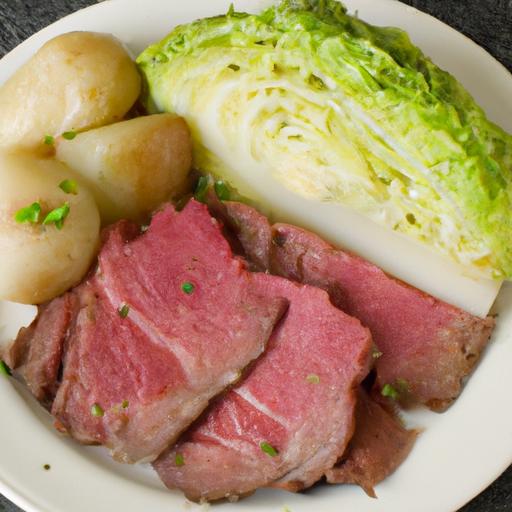

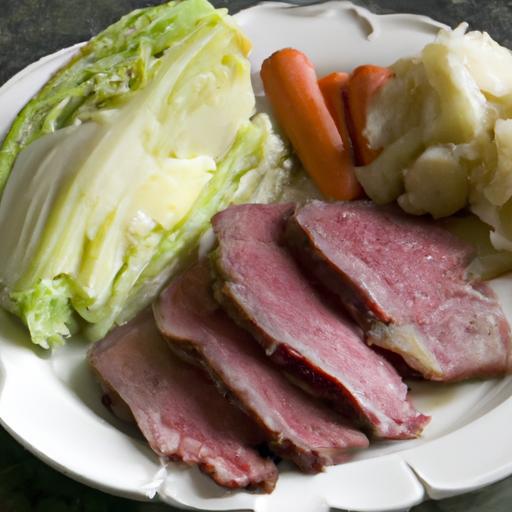
Few dishes evoke hearty warmth and festive cheer quite like corned beef and cabbage-a timeless Irish classic that has journeyed far beyond the emerald shores of Ireland to become a beloved culinary staple worldwide. Steeped in tradition and rich with history, this savory combination tells a story of culture, migration, and adaptation. In this article,we peel back the layers of flavor and folklore to reveal how corned beef and cabbage transformed from a humble meal into an enduring symbol of Irish heritage,celebrated every St. Patrick’s Day and beyond. Whether you’re a devoted fan or a curious newcomer,prepare to discover the origins,cooking secrets,and cultural significance behind this iconic dish.
Corned beef and cabbage is more than just a dish; it’s a symbol of heritage and an ode to Irish-American culture that has delighted palates for generations.Rooted in Irish immigrant traditions, this hearty meal originally reflected resourcefulness, combining salted beef with the humble yet flavorful cabbage, transforming simple ingredients into a comforting feast. Over time,it has evolved into a beloved staple,especially on St. Patrick’s Day, harmonizing savory, tangy, and earthy notes that evoke warmth and celebration.
Prep and Cook Time
- Planning: 15 minutes
- Cooking: 3 to 3.5 hours (braising and simmering)
- Total Time: Approximately 3 hours 45 minutes
Yield
Serves 6 generous portions
Difficulty Level
Medium – Requires some patience and attention but straightforward for home cooks
Ingredients
- 4 pounds whole corned beef brisket (including spice packet)
- 10 cups water
- 1 large onion, peeled and quartered
- 4 garlic cloves, smashed
- 4 large carrots, peeled and cut into 2-inch pieces
- 1 small head green cabbage, cut into wedges
- 6 medium Yukon Gold potatoes, peeled and halved
- 1 teaspoon black peppercorns
- 2 bay leaves
- Fresh parsley for garnish
- Yellow mustard, for serving
Instructions
- Rinse the corned beef brisket under cold water to remove excess salt and pat dry. This helps control the saltiness and ensures a balanced flavor.
- Place the brisket into a large stockpot along with the water, included spice packet, onion, garlic, black peppercorns, and bay leaves. Bring to a gentle boil over medium-high heat, then reduce to a low simmer.
- Cover and simmer the corned beef gently for 2.5 to 3 hours, or until the meat is tender and easily pierced with a fork.Avoid boiling vigorously, wich can toughen the meat.
- Add the carrots and potatoes to the pot, nestling them around the meat. Cover and cook an additional 30 minutes until vegetables are tender but not mushy.
- carefully add the cabbage wedges on top of the other ingredients. Cover and simmer for a final 15 minutes until the cabbage is tender yet still slightly crisp, enhancing texture contrast.
- Remove the corned beef from the pot onto a cutting board and let it rest for 10 minutes. Slice against the grain into ¼-inch thick slices to maximize tenderness.
- Use a slotted spoon to transfer the cabbage, potatoes, and carrots to a serving platter. Spoon some of the flavorful cooking broth over the vegetables to keep them moist.
- Arrange the sliced corned beef alongside the vegetables. Garnish with fresh parsley and serve promptly with mustard on the side for a tangy accent.
Tips for Perfecting Your Corned Beef and Cabbage at Home
- Brine Balance: Rinsing the corned beef is essential to manage salt intensity. For a milder version, soak the brisket in cold water for 1 hour before cooking, changing water once.
- Low and Slow: Patience is key. Slow simmering prevents the meat from becoming stringy and ensures the connective tissues render beautifully, creating melt-in-your-mouth texture.
- Vegetable Timing: Add vegetables in stages-harder root vegetables first, then cabbage last-to retain optimal texture and flavor.
- Flavor Boost: Enhance the braising liquid with a splash of Guinness or a tablespoon of apple cider vinegar for an extra dimension of traditional Irish flavor.
- Make-Ahead: corned beef tastes even better the next day; store leftovers in the cooking broth to keep meat moist and reheat gently on the stovetop.
Flavor Pairings and Serving Suggestions for a Modern Twist
While the classic corned beef and cabbage combination is timeless, modern culinary creativity can add exciting depth. Consider crisp pickled red onions as a palate refresher or serve with a creamy horseradish sauce to introduce an invigorating spice element.
Pairing the dish with buttery mashed potatoes or roasted root vegetables elevates the meal. For drinks, a dry irish stout or a spritzy apple cider beautifully complements the rich, savory flavors.
For presentation, add vibrant poppy green herbs like dill or parsley, and don’t shy away from colorful heirloom carrots or purple cabbage wedges to brighten your plating.
Nutritional Details
| Component | Per Serving |
|---|---|
| Calories | 410 kcal |
| Protein | 38 g |
| Carbohydrates | 22 g |
| Fat | 12 g |

For more recipes steeped in tradition, check out our collection of hearty Irish dishes. To dive deeper into the history of corned beef and its cultural journey, visit Britannica’s corned beef overview.
Q&A
Q&A: Corned Beef and Cabbage - A Timeless Irish Classic Explained
Q1: what exactly is corned beef and cabbage?
A1: Corned beef and cabbage is a hearty dish featuring tender, salt-cured beef brisket (“corned” from the large grains of rock salt used in curing) paired with boiled or steamed cabbage.Traditionally served with potatoes and carrots, it’s a comforting plate that marries savory, salty, and subtly sweet flavors-perfectly embodying the spirit of Irish-American home cooking.
Q2: Is corned beef and cabbage authentically Irish?
A2: While cabbage is a classic Irish vegetable and beef was eaten in Ireland, corned beef itself is actually an Irish-American invention. In Ireland,pork was more common historically,and beef was reserved for the wealthy.Irish immigrants in America turned to corned beef, which was cheaper and widely available, making the dish a symbol of immigrant ingenuity rather than traditional Irish fare.
Q3: Why is this dish so strongly associated with St.Patrick’s Day?
A3: Corned beef and cabbage became a quintessential St.Patrick’s Day meal for Irish Americans during the 19th and early 20th centuries. It was affordable, easy to prepare in large quantities, and connected them to their heritage.Today, this dish serves as a delicious culinary shout-out to Irish roots and festive celebrations around the globe.
Q4: How is corned beef cured?
A4: The “corning” process involves curing a brisket cut in a brine of salt, water, sugar, and pickling spices, often including peppercorns, mustard seeds, and bay leaves. Traditionally, the beef was rubbed with coarse rock salt (“corns” of salt) and soaked for several days or weeks, resulting in the distinctive pink color and savory flavor.
Q5: What’s the best way to cook corned beef and cabbage?
A5: The classic method is slow simmering or braising. The beef is cooked gently for several hours until fork-tender, frequently enough with added aromatics like garlic, onions, and spices.Towards the end, cabbage wedges and root vegetables like potatoes and carrots are added to absorb the rich cooking broth, creating a one-pot wonder of blended flavors.
Q6: Can you substitute or vary ingredients in this dish?
A6: Absolutely! while traditionalists stick to brisket, you might explore different cuts like shoulder or even use ham hocks for flavor. Vegetables can be varied too-try adding parsnips, turnips, or leeks to mix it up. Some modern takes incorporate slow cookers or even roasting for a twist on texture and flavor.
Q7: Why does corned beef have a distinctive pink color?
A7: The iconic rosy hue comes from curing agents like sodium nitrite in the brine, which preserves the meat and prevents bacterial growth. It reacts with the myoglobin in beef to maintain that mouth-watering pink color-even after cooking.
Q8: What should one serve with corned beef and cabbage?
A8: Classic accompaniments include boiled potatoes and carrots, mustard or horseradish sauces for a spicy kick, and Irish soda bread or rye bread on the side. And don’t forget a pint of stout or a crisp lager to toast the occasion!
Q9: how has corned beef and cabbage influenced modern cuisine?
A9: Beyond the traditional plate, corned beef and cabbage inspire deli classics like Reuben sandwiches and hash breakfasts. Its appetizing aroma and rich texture continue to invite reinterpretations that celebrate Irish heritage while embracing culinary creativity.
Q10: Why does this dish remain timeless and beloved?
A10: corned beef and cabbage endures because it tells a story-of migration, adaptation, and celebration. It’s simple yet flavorful, nostalgic yet ever adaptable, bringing people together around the table to savor history, culture, and community in every bite. A true Irish classic, reinvented and cherished still today.
In Conclusion
Whether enjoyed around a lively St. Patrick’s Day table or savored as a comforting meal any time of year, corned beef and cabbage remains much more than just a dish-it’s a flavorful thread woven into the tapestry of Irish heritage and culinary tradition. its rich history, simple ingredients, and hearty flavors invite both novices and food lovers alike to appreciate the story behind every tender bite. So next time you sit down to this timeless classic, remember: you’re not just tasting a meal-you’re partaking in a delicious chapter of Ireland’s enduring legacy.