
In a world that frequently enough feels rushed and intricate, the joy of simple, flavorful cooking can be a soothing balm for the soul. Asian cuisine, renowned for its vibrant tastes and fresh ingredients, doesn’t have to be intimidating or time-consuming. Whether you’re a seasoned cook or a kitchen novice, “Savor Simplicity: Easy Asian Dishes You Can Master Today” invites you on a culinary journey where minimal effort meets maximum delight. From fragrant stir-fries to comforting noodle bowls, these accessible recipes bring the essence of Asia straight to your home-proof that great taste doesn’t have to be complicated. Let’s unlock the secrets to speedy,satisfying meals that will inspire you to savor simplicity in every bite.
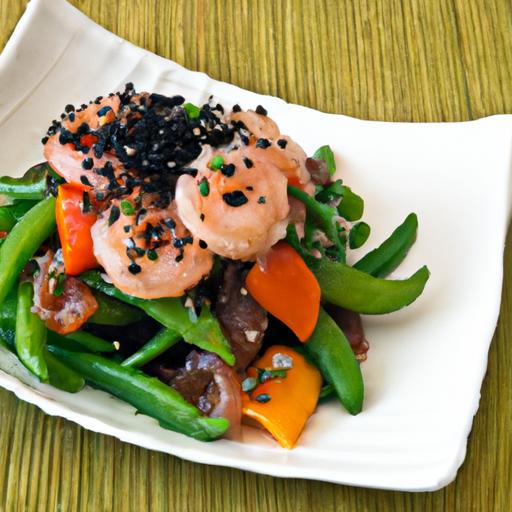
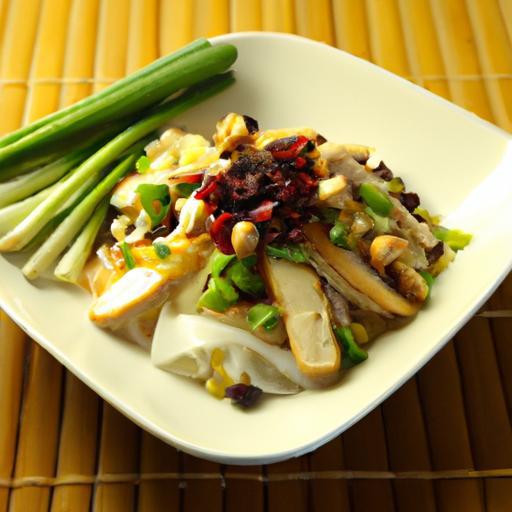
Savor Simplicity: Easy Asian Dishes You Can Master Today brings you the beauty of fresh, vibrant flavors paired with minimal ingredients that transform everyday meals into culinary celebrations. Quick stir-fries exemplify this philosophy – they’re fast, flexible, and flavorful, perfect for cooks of every skill level. Whether you’re new to the wok or a seasoned pro, mastering the balance of sweet, sour, and umami is the key to unlocking authentic asian taste profiles with confidence and ease.
Prep and Cook Time
- prep Time: 10 minutes
- Cook Time: 8 minutes
- Total Time: 18 minutes
Yield
serves 4
Difficulty Level
Easy
Ingredients
- 2 tablespoons vegetable oil (or neutral oil with high smoke point)
- 3 cloves garlic, finely minced
- 1 tablespoon fresh ginger, grated
- 1 medium red bell pepper, thinly sliced
- 1 cup snap peas, trimmed
- 1 medium carrot, julienned
- 300g boneless chicken breast, thinly sliced (or firm tofu, cubed for vegetarian option)
- 3 green onions, sliced on bias
- 2 tablespoons soy sauce (low sodium preferred)
- 1 tablespoon oyster sauce (substitute with mushroom stir-fry sauce for vegetarian)
- 1 teaspoon rice vinegar
- 1 teaspoon honey or maple syrup
- Pinch of red chili flakes (optional for heat)
- Steamed jasmine rice or noodles, for serving
Instructions
- Heat the oil in a large wok or skillet over medium-high heat until shimmering.
- Add garlic and ginger, sautéing until fragrant, about 30 seconds-do not let them brown to avoid bitterness.
- Introduce chicken slices to the pan, stirring constantly.cook until just opaque and starting to brown, about 4 minutes.
- Stir in the red bell pepper,snap peas,and carrot. Cook for 2-3 minutes,stirring frequently to keep the vegetables crisp-tender and vibrant.
- Mix the soy sauce, oyster sauce, rice vinegar, honey, and chili flakes in a small bowl. Pour over the chicken and veggies, tossing thoroughly to coat everything evenly.
- Add the sliced green onions in the last 30 seconds to preserve their fresh bite.
- Remove from heat, serve immediately over steamed jasmine rice or your favorite noodles.
Tips for Success
- For best results, ensure all ingredients are sliced uniformly for even cooking and a pleasing visual presentation.
- Use a well-seasoned wok or non-stick skillet; high heat is essential to achieving that signature ‘wok hei’ sear.
- Customize the sweetness and acidity by adjusting the honey and rice vinegar to your taste, crafting your perfect balance of sweet, sour, and umami.
- Oyster sauce can be substituted with hoisin or mushroom sauce for a vegetarian-friendly interpretation.
- Prep all ingredients before heating the pan – stir-fries cook fast, and timing is key!
- Leftovers reheat well for next-day lunch; simply toss in a hot pan to revive crispiness.
Serving Suggestions
Present this dish with a sprinkle of toasted sesame seeds and a handful of freshly chopped cilantro or Thai basil for an aromatic finish. A wedge of lime on the side invites an optional bright citrus pop that enhances the dish’s layers. Serve alongside a simple cucumber salad or pickled vegetables to add a refreshing contrast. Pair with a cold jasmine tea or a light Asian lager to complete the experience.

| Nutrient | Amount per Serving |
|---|---|
| Calories | 320 |
| Protein | 28g |
| Carbohydrates | 18g |
| Fat | 12g |
For another simple yet flavorful Asian recipe to expand your culinary repertoire, check out our Crispy Garlic Shrimp. For a deeper dive into the science of balancing sweet, sour, and umami flavors, explore this detailed guide on Serious Eats.
Q&A
Q&A: Savor Simplicity – Easy Asian Dishes You Can Master Today
Q1: Why focus on simple Asian dishes instead of conventional complex recipes?
A: Asian cuisine is often perceived as intricate and time-consuming,but many dishes are wonderfully straightforward and perfect for home cooks. focusing on simplicity allows you to unlock bold flavors without hours of prep or a pantry full of exotic ingredients. It’s about capturing the essence of the cuisine with ease and joy.
Q2: What are some key ingredients to keep on hand for easy Asian cooking?
A: A well-stocked Asian kitchen can be minimal yet mighty. essentials include soy sauce, sesame oil, ginger, garlic, scallions, rice vinegar, and chili paste.With these staples, you can create a variety of dishes-from quick stir-fries to vibrant dipping sauces-without overwhelming complexity.
Q3: Can beginners really master authentic flavors without advanced techniques?
A: Absolutely! Authenticity comes from balance and freshness rather than complicated methods. Many delicious dishes rely on straightforward stir-frying, steaming, or simmering.Embracing simple techniques lets you focus on flavor layering and ingredient quality-key elements of authentic taste.
Q4: What’s a beginner-friendly Asian dish that’s both quick and satisfying?
A: Try making a classic fried rice. It’s versatile, forgiving, and a fantastic way to use leftovers.Using day-old rice, a protein of choice, eggs, and veggies, plus a splash of soy sauce and sesame oil, you can whip up a tasty meal in under 20 minutes that tastes like a restaurant special.
Q5: How can one add depth and complexity to simple dishes without extra fuss?
A: Layering flavors through aromatics like garlic and ginger, incorporating umami-rich ingredients such as mushrooms or fermented sauces, and playing with acidity and sweetness can elevate simple dishes.Even a squeeze of lime or a sprinkle of toasted sesame seeds can transform a meal from ordinary to unusual.
Q6: Are ther any cooking tools essential for simplifying Asian cooking at home?
A: A good wok or a heavy-bottomed skillet is invaluable for quick, even cooking.A sharp knife and a rice cooker also streamline the process.These tools help maintain the integrity of ingredients and speed up preparation, making the cooking experience more enjoyable.
Q7: How can I personalize these recipes while still keeping them simple?
A: Asian cuisine is wonderfully adaptable. Swap proteins or vegetables depending on what’s in season or in your fridge. Adjust spice levels to suit your palate. The beauty lies in flexibility-feel free to experiment within the framework of simple, balanced flavors.
Q8: What mindset shoudl one adopt when trying to master easy asian dishes?
A: Approach with curiosity, patience, and joy. Cooking simple Asian dishes is less about perfect replication and more about embracing the vibrant,fresh ingredients and straightforward techniques. Let go of intimidation, savor the process, and taste the simplicity unfolding with every bite.
Insights and Conclusions
As you embark on your culinary journey with these easy Asian dishes, remember that simplicity is the secret ingredient to savoring every bite. From fragrant stir-fries to comforting bowls of soup, mastering these recipes opens a gateway to vibrant flavors without overwhelming your kitchen or schedule. So, embrace the beauty of uncomplicated cooking, and let these dishes inspire you to explore, create, and enjoy the rich tapestry of Asian cuisine-one delicious, effortless meal at a time.