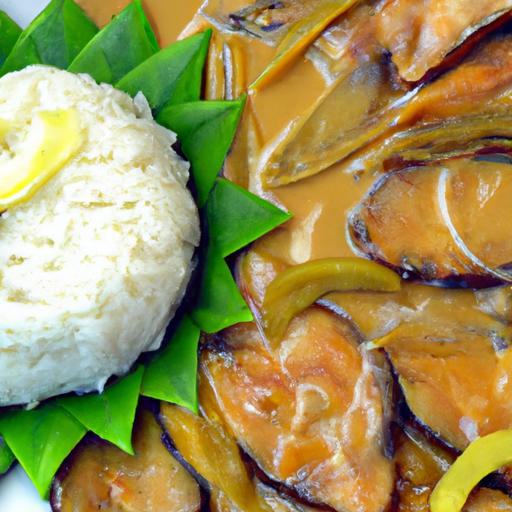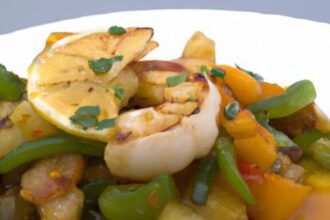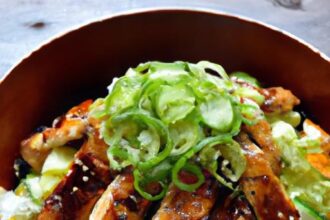

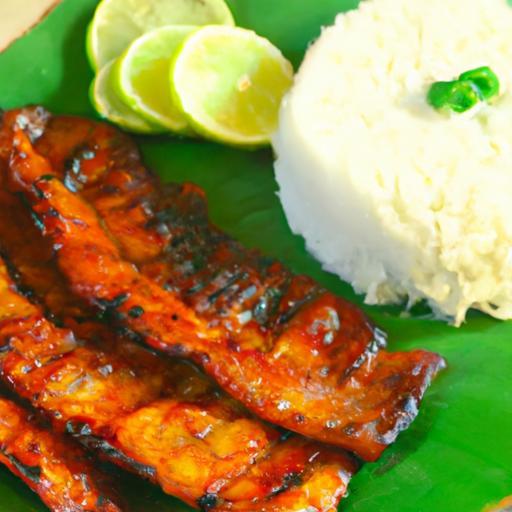
In a world that often celebrates complexity, there is profound joy in embracing simplicity-especially when it comes to food. Filipino cuisine,with its rich tapestry of flavors and heartfelt traditions,offers a treasure trove of dishes that are both comforting and uncomplicated. “Savor Simplicity: Easy Filipino Dishes for Every Kitchen” invites you on a flavorful journey thru everyday meals that don’t require expert skills or exotic ingredients. From humble stews to vibrant salads, thes recipes capture the soul of the Philippines, bringing warmth and satisfaction to your table with ease. Whether you’re a seasoned cook or a curious beginner, discover how effortless it can be to create authentic Filipino flavors and savor the simple pleasures of home-cooked goodness.
Savor Simplicity: Easy Filipino Dishes for Every kitchen
Savor simplicity by exploring the rich and vibrant world of Filipino cooking-where humble pantry staples transform into hearty, soul-satisfying dishes. Filipino cuisine is a beautiful marriage of native flavors and colonial influences, built around a few, easy-to-find ingredients that pack an unusual punch. from tangy adobo to aromatic sinampalukang manok,these classic recipes reveal the heart behind every Filipino table: comfort,community,and festivity.
Prep and Cook Time
Planning: 15 minutes
Cooking: 35 minutes
Total Time: 50 minutes
Yield
Serves 4
Difficulty Level
Easy
Essential Ingredients
- 1 lb chicken thighs, bone-in and skin-on for juicy flavor
- 4 cloves garlic, finely minced
- 1 medium onion, sliced thin
- 1/2 cup soy sauce (preferably Filipino brand like Datu Puti)
- 1/2 cup white vinegar
- 1/2 cup water
- 2 bay leaves
- 1/2 tsp whole peppercorns
- 2 tbsp cooking oil (vegetable or canola)
- Optional: 1 tsp brown sugar, to balance acidity
- Steamed jasmine rice, for serving
Step-by-Step Instructions
- Marinate the chicken: In a bowl, combine chicken thighs, soy sauce, minced garlic, and sliced onions. Cover and refrigerate for at least 30 minutes or overnight for deeper flavor infusion.
- Heat oil in a pan: Use medium heat and sauté the marinated chicken pieces skin-side down until golden brown, about 5 minutes. Flip and brown the other side for 3 minutes.
- Add marinade and liquid: pour in the soy sauce mixture, white vinegar, and water. Add bay leaves and whole peppercorns. Crucial: Do not stir after adding vinegar to allow its sharp flavor to mellow.
- Simmer gently: Lower heat to medium-low, cover, and let the chicken cook for about 25 minutes or until tender, turning pieces halfway. Add sugar if desired to soften acidity and create balance.
- Reduce sauce: Remove the lid and simmer for an additional 5 minutes, letting the sauce thicken and intensify. Taste and adjust seasoning-add salt or more soy sauce as needed.
- Serve hot: Spoon the luscious chicken and sauce over steamed jasmine rice. garnish with thinly sliced green onions or a wedge of calamansi for an added citrus zing.
chef’s Tips for Success
- Marinate longer: For the best depth of flavor, marinate overnight in the fridge.
- Use bone-in chicken: It adds juiciness and richer taste compared to boneless.
- Balance sourness and saltiness: Taste carefully before serving-Filipino palates often love a harmonious tang combined with savory notes.
- make it ahead: Adobo tastes even better the next day as the flavors meld beautifully. Reheat gently over low heat.
- Substitutions: Swap chicken for pork belly or tofu for a vegetarian twist.
Serving Suggestions
This dish shines best when paired with freshly steamed jasmine rice to soak up its garlicky, tangy, and savory braising liquid. For a bright contrast, add a side of sautéed green beans or pickled papaya (atchara). Garnish with freshly cracked black pepper and slices of fresh chili if you like a kick. Presentation tip: use a shallow bowl to keep the sauce visible, inviting your guests to dive in immediately.

Nutrition at a Glance
| Nutrient | Amount per Serving |
|---|---|
| Calories | 320 kcal |
| Protein | 28 g |
| Carbohydrates | 5 g |
| Fat | 20 g |
Discover more simple and authentic dishes like this in our Filipino Main Course Recipes collection.Dive deeper into the cultural roots and techniques behind Filipino cooking with resources like the National Geographic Filipino cuisine guide.
Q&A
Q&A: Savor Simplicity – Easy Filipino Dishes for Every kitchen
Q1: What makes Filipino cuisine uniquely special?
A: Filipino cuisine is a vibrant tapestry woven from diverse cultural influences-Malay, Spanish, Chinese, and American-resulting in dishes that balance sweet, sour, salty, and savory flavors. Its charm lies not just in complex recipes but in heartwarming simplicity, making every meal a celebration of family, heritage, and togetherness.
Q2: Are Filipino dishes complicated to prepare at home?
A: Not at all! Many traditional Filipino recipes are surprisingly straightforward and designed for everyday cooking. With just a handful of accessible ingredients and easy techniques, you can bring the authentic taste of the Philippines right into your kitchen-no exotic gadgets necessary.
Q3: What are some easy Filipino dishes beginners should try?
A: Start with classics like Adobo, a succulent stew of marinated meat simmered in vinegar, soy sauce, garlic, and bay leaves; Sinigang, a refreshing tamarind-based sour soup loaded with vegetables and your choice of protein; or Pancit Canton, a flavorful stir-fried noodle dish that’s versatile and quick to prepare.
Q4: How can I find filipino ingredients locally or online?
A: Many Filipino staples such as soy sauce, vinegar, garlic, and rice are widely available in most grocery stores. For ingredients like bagoong (fermented shrimp paste) or atsuete (annatto seeds), look for Asian or Filipino markets nearby or reliable online specialty stores shipping internationally. They often provide tips on substitutions if needed.
Q5: Can these simple dishes fit into a busy lifestyle?
A: Absolutely! Filipino cooking often embraces one-pot meals and recipes that develop deeper flavors over simple simmering or quick stir-frying. Whether you have 30 minutes or an hour, these dishes are flexible enough to nourish both your body and soul without demanding hours in the kitchen.
Q6: How can I personalize Filipino dishes to suit my taste?
A: Filipino food is wonderfully adaptable. Adjust ingredients to your preference-add more garlic for a punch, tweak the sourness in sinigang, or infuse coconut milk for extra creaminess. The heart of Filipino cooking is comfort and sharing; feel free to tailor recipes to make them your own.
Q7: Beyond taste, what else will I gain from cooking Filipino dishes at home?
A: Cooking Filipino dishes invites you into a rich cultural tradition of hospitality and communal dining. It’s an experience that connects you with stories, celebrations, and a spirit of resilience. Savoring simplicity in your kitchen becomes a journey of discovery-embracing flavors, memories, and the joy of home-cooked meals shared with loved ones.
In Summary
In a world that often feels fast and complicated, these easy Filipino dishes remind us that true flavor lies in simplicity. From the humble dappling of garlic to the comforting embrace of steaming rice, each recipe invites you to savor not just the food, but the stories and traditions woven into every bite. Whether you’re a seasoned home cook or a curious beginner, bringing these accessible dishes into your kitchen is a delicious way to connect with the heart of Filipino cuisine-where simplicity and soul meet on every plate. So roll up your sleeves,gather your ingredients,and let the vibrant,comforting tastes of the Philippines bring warmth and joy to your table,one simple dish at a time.