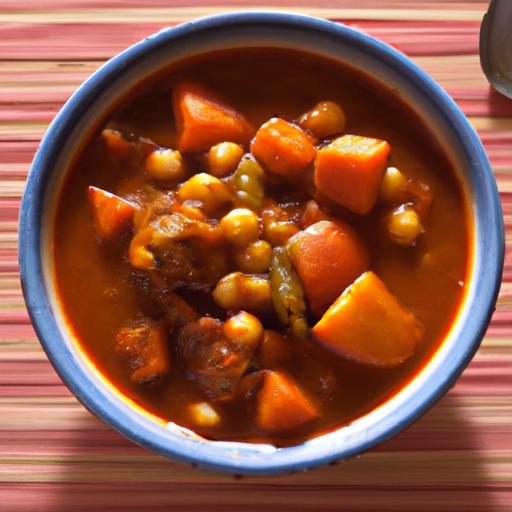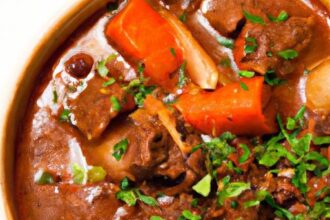

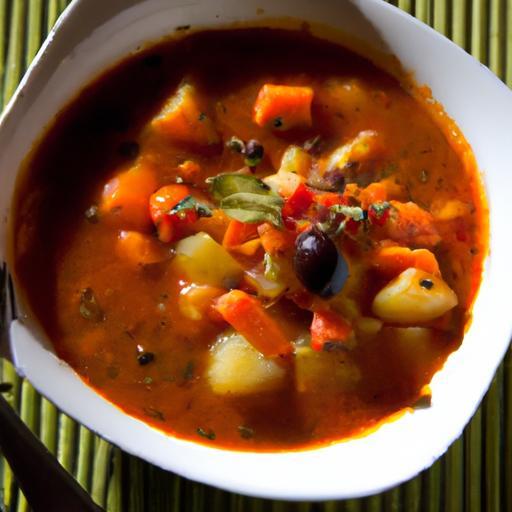
In the bustling medinas and sun-dappled kitchens of Morocco, a humble pot simmers with a story as rich and layered as the spices it holds. Harira, Morocco’s beloved traditional soup, is far more than a hearty meal-it’s a cultural emblem, a soul-warming embrace served in a bowl. With every spoonful,this aromatic blend of tomatoes,lentils,chickpeas,and tender meat reveals centuries of history,communal rituals,and festive celebrations. Join us as we unveil the essence of Harira, exploring how this treasured dish nourishes both body and spirit across the vibrant tapestry of Moroccan life.
Harira: Morocco’s soul-warming traditional soup is much more than a dish; it is an edible celebration of history, culture, and community. This beloved Moroccan classic has long been cherished during Ramadan, breaking fasts with its nourishing warmth, while its deeply spiced aroma and rich ingredients tell stories of centuries-old culinary traditions rooted in hospitality and familial bonds.
Prep and Cook Time
- Readiness Time: 20 minutes
- Cooking Time: 1 hour 30 minutes
- Total Time: 1 hour 50 minutes
yield
Serves 6 hearty portions
Difficulty Level
Medium – suitable for cooks agreeable with simmering and layering flavors
Key Ingredients that Define Harira’s Authentic Flavor Profile
- 500g lamb or beef, trimmed and cubed - for a rich, savory base
- 1 cup dried chickpeas, soaked overnight – adds creamy texture and protein
- 1/2 cup green lentils – a hearty legume enhancing earthiness
- 2 large tomatoes, finely chopped – providing vibrant acidity and color
- 1 large onion, minced – for aromatic sweetness
- 4 celery stalks, diced – adds subtle crunch and freshness
- 1/2 cup fresh parsley, chopped
- 1/2 cup fresh cilantro, chopped
- 3 tablespoons olive oil - for sautéing
- 1/3 cup all-purpose flour – used to thicken
- Juice of 1 lemon – gives a shining, balancing note
- 2 teaspoons ground cinnamon, 1 tablespoon ground ginger, 1 teaspoon turmeric, 1 teaspoon black pepper – the warm moroccan spice blend
- Salt to taste
- 6 cups beef or vegetable broth – forms the comforting, savory liquid base
Step-by-step Guide to Preparing Traditional Harira at Home
- Soak and prep legumes: Drain the soaked chickpeas and rinse lentils under cold water. Set aside.
- Sauté aromatics: Heat olive oil over medium heat in a large heavy-bottomed pot. Add minced onions and celery, sauté until golden and translucent, about 7 minutes.
- Brown the meat: Add cubed lamb or beef to the pot. Brown thoroughly on all sides for about 10 minutes, ensuring meat is sealed in flavorful juices.
- Spice it up: Stir in cinnamon, ginger, turmeric, black pepper, and salt. Mix well until spices are fragrant, about 2 minutes.
- Add tomatoes and herbs: Incorporate chopped tomatoes, parsley, and cilantro, stirring until the tomatoes begin to soften and meld with spices.
- Combine legumes and broth: Pour in chickpeas, lentils, and broth. Bring the mixture to a vigorous boil, then reduce to a gentle simmer.
- Simmer to tender perfection: Cover and cook for 1 to 1.5 hours, stirring occasionally to prevent sticking. The chickpeas and meat should be tender.
- Thicken the soup: in a separate bowl,whisk flour with a cup of cold water to create a smooth slurry. Slowly drizzle into the simmering pot while stirring constantly to avoid lumps.
- Final simmer and finishing touches: Simmer uncovered for 15 more minutes until the soup thickens to a hearty consistency. Adjust salt and add lemon juice to brighten the flavors.
- Serve piping hot: Ladle into bowls, garnished with extra fresh herbs and a wedge of lemon on the side.
Chef’s Notes: tips for Success
- meat choices: For a vegetarian version, omit meat and increase lentils and chickpeas slightly.
- Make-ahead magic: Harira tastes even better the next day as flavors deepen-store in airtight containers refrigerated up to 3 days.
- Spice balance: Adjust cinnamon and ginger based on yoru palate; some prefer a stronger warm spice note, others mild.
- Thickening tip: For a lighter soup, reduce the flour slurry or skip altogether but expect a thinner broth.
- Fresh herbs: Use fresh parsley and cilantro whenever possible for authentic vibrant flavor and aroma.
Pairing Harira with Moroccan Sides and Festive Occasions
harira shines brilliantly when complemented by traditional Moroccan sides like stuffed dates with cheese or crispy briouats (savory pastries filled with spiced meat or vegetables). It’s the cornerstone of Iftar during Ramadan, ushering in a warmth that feeds both body and soul. Moroccan bread (khobz) is indispensable-perfect for dipping and soaking up every last succulent drop.
This dish is also a gorgeous starter during festive gatherings and family reunions. Its rich layers and comforting texture invite communal eating and storytelling,reinforcing its cultural role as a meal that brings people together.

Nutritional Information (Per Serving)
| Calories | protein | Carbohydrates | Fat |
|---|---|---|---|
| 325 kcal | 25 g | 35 g | 8 g |
Discover more moroccan culinary treasures and how to master them in our Moroccan Cuisine Essentials guide. For deeper insights into spices used in Harira, the [Maangchi Spices Guide](https://www.maangchi.com/ingredients/spices) offers excellent detailed information.
Q&A
Q&A: Harira – Morocco’s Soul-Warming Traditional Soup Unveiled
Q1: What is Harira, and why is it considered Morocco’s soul-warming soup?
A: Harira is a beloved traditional Moroccan soup, rich with history, flavor, and cultural significance. Often enjoyed during Ramadan to break the fast,it’s a hearty blend of tomatoes,lentils,chickpeas,fresh herbs,and tender meat that gently warms both body and spirit. its comforting aroma and robust taste have earned it the title of Morocco’s culinary embrace-a true soul-warming classic.
Q2: What are the key ingredients that make Harira so special?
A: Harira’s magic lies in its harmonious mix of simple yet vibrant ingredients.The foundation includes slow-simmered tomatoes, fragrant onions, lentils, chickpeas, and fresh cilantro and parsley. Traditionally, lamb or beef adds depth, while a drizzle of beaten eggs or vermicelli noodles often enrich the texture. spices like cinnamon,ginger,turmeric,and cumin weave together to create a symphony of flavor that’s both exotic and familiar.
Q3: How does Harira reflect Morocco’s cultural and historical tapestry?
A: Harira is more than just food-it’s a living story steeped in Moroccan tradition. Passed down through generations, it represents communal warmth, hospitality, and spiritual renewal, especially during Ramadan. So much more than a meal, Harira is a ritual that brings families and communities together, symbolizing resilience and celebration in Morocco’s diverse cultural mosaic.
Q4: Can Harira be adapted for modern dietary preferences?
A: Absolutely! While traditionally hearty and meat-based, Harira’s ingredient list is flexible. Vegetarian and vegan versions replace meat with extra lentils or mushrooms, maintaining richness without compromising its addictive flavor. The use of gluten-free flour or quinoa instead of traditional flour or noodles ensures that everyone can savor Morocco’s soul-warming soup in ways that suit their lifestyles.
Q5: What’s the best way to enjoy Harira? any traditional accompaniments?
A: To savor Harira authentically, serve it steaming hot, garnished with a squeeze of fresh lemon for brightness and a sprinkle of fresh herbs. It’s traditionally accompanied by dates and chebakia (honey-drenched sesame cookies) during Ramadan, offering a sweet and savory harmony. Fresh crusty bread or msemen (Moroccan flatbread) is also perfect for dipping, turning every spoonful into a comforting cultural experience.
Q6: Where can one experience the true taste of Harira?
A: To taste Harira in its truest form, visit Morocco’s bustling souks during Ramadan or cozy homes where it’s lovingly prepared from scratch. Beyond Moroccan borders, many Moroccan restaurants worldwide serve Harira year-round, but nothing compares to the fragrant spices and warm hospitality of enjoying it amid Morocco’s vibrant streets and family tables.
Delve into Harira, and your not just tasting soup-you’re sipping history, culture, and heart, one soul-warming bowl at a time.
In Summary
as the steam rises from a bowl of harira, so too does the rich tapestry of Morocco’s history, culture, and culinary heritage. This humble soup, brimming with fragrant spices, tender legumes, and soulful tradition, is far more than a dish-it is a heartfelt invitation to experience the warmth of Moroccan hospitality and the rhythms of its daily life. Whether shared during Ramadan’s sacred nights or savored as a comforting meal on a chilly evening, harira stands as a delicious testament to a culture that nourishes both body and spirit.So next time you crave a taste of Morocco’s soul, let a bowl of harira guide you on a journey where every spoonful tells a story.