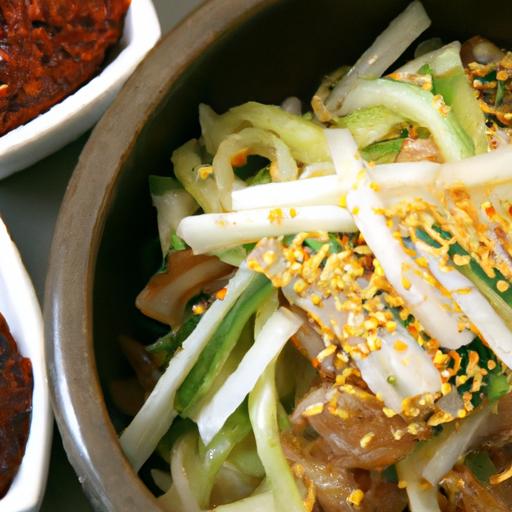


In the vibrant tapestry of global cuisine, few flavors capture the imagination quiet like those of Korea. From fiery gochujang to subtly fermented kimchi, Korean recipes are a harmonious dance of tradition and innovation that tantalize the palate and tell stories of centuries-old culture. “savor Seoul: discover the Secrets of Korean Recipes Today” invites you on a culinary journey through bustling markets and humble home kitchens, unveiling the authentic techniques and hidden gems that make Korean food a beloved treasure worldwide. Whether you’re a seasoned foodie or a curious beginner, prepare to unlock the essence of Seoul’s culinary magic-one tasty bite at a time.
Savor Seoul: Discover the Secrets of Korean Recipes Today invites you to embark on a culinary journey where fermentation takes center stage, unlocking layers of rich umami and subtle tang that define authentic Korean flavors. Among the treasures of Korean cuisine, kimchi stands as a vibrant symbol of tradition and craftsmanship, reflecting centuries of fermentation mastery that not only transform humble ingredients into mouthwatering delights but also offer remarkable health benefits. Today, we’ll guide you through crafting Baechu Kimchi, the quintessential napa cabbage kimchi, demystifying this beloved Korean side dish and empowering you to elevate yoru home dining experience with bold, authentic tastes from Seoul’s bustling alleys to your own table.
Prep and cook Time
- Preparation Time: 30 minutes (active)
- Fermentation Time: 3-5 days at room temperature, then refrigeration
Yield
- Approximately 2 quarts (8 servings)
Difficulty Level
- Medium – Perfect for adventurous home cooks ready to explore fermentation
Ingredients
- 1 large napa cabbage (about 3 pounds)
- 1/2 cup kosher salt (for salting the cabbage)
- 4 cups water (cold)
- 3 tablespoons sweet rice flour (glutinous rice flour)
- 1 cup Korean red chili pepper flakes (gochugaru)
- 1/2 cup fish sauce
- 1 tablespoon salted shrimp (saeujeot), finely chopped
- 6 cloves garlic (minced)
- 1 thumb-sized piece ginger (minced)
- 1 teaspoon sugar
- 5 green onions (cut into 2-inch pieces)
- 1 medium carrot (julienned)
- 1/2 Korean radish (mu) (julienned)
Instructions
- Prep the Cabbage: Slice the napa cabbage lengthwise into quarters then chop into bite-sized pieces. Place in a large bowl and sprinkle evenly with kosher salt.Toss to coat thoroughly.
- Soak and Wilt: Pour cold water over the cabbage, pressing down to submerge. Let it sit for 2 hours, turning every 30 minutes to ensure even softening. This step draws out moisture for crisp yet pliable texture.
- Make the Rice Paste: Combine sweet rice flour and 2 cups water in a saucepan. Cook over medium heat, whisking constantly until thick and translucent (about 5 minutes). Remove from heat and stir in sugar. Let cool fully.
- Create the Spice Mix: In a large bowl, mix the cooled rice paste, gochugaru, fish sauce, salted shrimp, minced garlic, and ginger until a vibrant, thick paste forms.
- Drain and Rinse Cabbage: Rinse salted cabbage gently under cold water 2-3 times to remove excess salt. Drain well and squeeze out excess water thoroughly.
- Combine Vegetables: Add green onions, carrot, and radish to the cabbage. Wearing gloves, mix in the chili paste thoroughly, ensuring every leaf is coated. Use your hands to work the paste in-this helps the flavors meld beautifully and prevents skin irritation.
- Pack and Ferment: pack the kimchi tightly into clean glass jars or traditional onggi (fermentation crocks), pressing out any air pockets. Leave about 1-2 inches of headspace for expansion.
- Fermentation Time: Leave the kimchi at room temperature (68-72°F) for 3-5 days to ferment. Check daily for bubbling and taste to achieve your preferred tang. Once ready, refrigerate to slow fermentation and deepen flavor.
Tips for Success
- salt Choice: Use kosher salt rather than fine table salt for more controlled salting and better texture.
- Gloves On: The chili paste can irritate skin; always wear gloves when mixing.
- Flavor Adjustments: For vegetarian kimchi,substitute fish sauce and salted shrimp with soy sauce and seaweed flakes.
- Make-Ahead: Kimchi flavor deepens over time. Refrigerate after room temperature fermentation and consume within 2 months for best taste.
- presentation: Garnish with toasted sesame seeds and finely sliced green onions for an inviting finish.
Serving Suggestions
Enjoy kimchi as a vibrant side dish alongside steamed rice and grilled meats, or incorporate it into pajeon (Korean pancakes) and hearty stews like kimchi jjigae (kimchi stew). Its bright crunch and complex spice profile brighten every bite, making it an indispensible element of the Korean dining experience. Serve chilled or slightly fermented for a refreshing bite that perfectly balances boldness and freshness.
| Nutrient | Per Serving (1/8th batch) |
|---|---|
| Calories | 35 kcal |
| Protein | 2 g |
| Carbohydrates | 6 g |
| Fat | 0.5 g |

Q&A
Q&A: Savor Seoul – Discover the Secrets of korean Recipes Today
Q1: What makes Korean cuisine so unique and worth exploring?
A1: Korean cuisine is a vibrant fusion of bold flavors, textures, and colors that tell a story of centuries-old traditions. From the fiery kick of gochujang (red chili paste) to the delicate balance of fermented elements like kimchi, Korean food offers a sensory adventure that’s both comforting and exciting.Its emphasis on harmony-between spicy,sweet,sour,and savory-and communal dining experiences makes it truly special.
Q2: What are some essential ingredients I should have on hand to start cooking Korean dishes?
A2: To embark on your Korean cooking journey, stock up on staples like gochujang (red chili paste), gochugaru (chili flakes), soy sauce, sesame oil, garlic, ginger, and fermented soybean paste (doenjang). Don’t forget short-grain rice and ingredients for kimchi-cabbage, radish, and scallions. These ingredients are the heart and soul of manny iconic Korean dishes.
Q3: How can I recreate authentic Korean flavors at home without being a professional chef?
A3: The secret lies in layering flavors and mastering simple techniques. Such as,marinating meats in a blend of soy sauce,garlic,sugar,and sesame oil creates a rich umami base. Fermentation, as seen in kimchi, adds depth and tang. start with approachable dishes like Bibimbap (mixed rice bowl) or Japchae (stir-fried glass noodles), each offering a balance of textures and tastes that are surprisingly easy to prepare.
Q4: what role does fermentation play in Korean cooking?
A4: Fermentation is the cornerstone of Korean flavor profiles. Kimchi, fermented soybean pastes, and sauces undergo a transformative process that enhances preservation and develops complex, tangy flavors. This tradition not only elevates taste but also offers probiotic health benefits, making Korean cuisine both delicious and nourishing.
Q5: Which Korean dish should beginners try first and why?
A5: Bibimbap is the perfect starting point. It’s a colorful, customizable dish of rice topped with sautéed vegetables, marinated meat or tofu, a fried egg, and a dollop of gochujang. It embodies the Korean principle of balance-nutritious,visually inviting,and bursting with flavor-while being simple enough to prepare at home.
Q6: Are there any cultural customs I should know about when dining Korean-style?
A6: Absolutely! Korean meals frequently enough emphasize sharing and community-multiple side dishes (banchan) are placed in the center for everyone to sample. It’s customary to wait for the eldest to start eating first and to use both hands when receiving drinks. Embracing these practices enhances the authentic experience, embodying the warmth and hospitality central to Korean dining.
Q7: How can I expand my Korean recipe repertoire beyond popular dishes?
A7: Dive into regional specialties and seasonal recipes. Explore lesser-known delights like Sundubu-jjigae (soft tofu stew), Gamjatang (pork bone soup), or Hwe (Korean raw fish).Experimenting with traditional cooking methods, such as slow fermenting kimchi or grilling marinated meats, will deepen your gratitude and skills.
Q8: Where can readers find reliable Korean recipes to start their culinary adventure?
A8: Look for cookbooks by Korean chefs and food historians, popular food blogs dedicated to Korean cuisine, and online cooking classes that walk you through authentic recipes step-by-step.Names like Maangchi and Korean Bapsang are treasured resources that bring centuries of Korean cooking wisdom to your kitchen.
Ready to turn your kitchen into a Seoul food haven? With these insights, you’re set to savor every bite and uncover the rich secrets of Korean recipes today!
in Retrospect
As the vibrant flavors of Seoul continue to captivate palates worldwide, diving into authentic Korean recipes offers more than just a meal-it’s a journey into a rich cultural tapestry woven with history, tradition, and innovation. Whether you’re simmering a pot of fragrant kimchi jjigae or perfecting the art of crisp, golden jeon, each dish invites you to savor not just the taste but the stories behind it. So, gather your ingredients, ignite your curiosity, and let the secrets of Korean cuisine transform your kitchen into a gateway to Seoul’s soul. Your culinary adventure awaits-ready to be discovered, one delicious bite at a time.