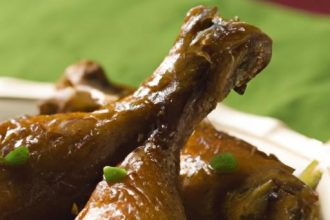

Step into the vibrant world of Korean cuisine, where every dish tells a story steeped in tradition, culture, and bold flavors. From the fiery kick of gochujang to the delicate balance of fermented goodness in kimchi, authentic Korean recipes invite you on a culinary journey that transcends the ordinary. Whether you’re a seasoned foodie or a curious beginner, these time-honored flavors promise to inspire your kitchen adventures and awaken your palate to the rich, soulful essence of Korea’s food heritage. Join us as we explore the heart of Korean cooking-recipes that not only satisfy hunger but also celebrate connection, history, and the joy of sharing a meal.
Discover Authentic Korean Recipes: Flavors That Inspire your culinary journey today by diving into the vibrant and diverse world of Korean cuisine. From the fiery tang of kimchi to the smoky allure of Korean barbecue, and the bustling charm of street food, these traditional ingredients and techniques create an unforgettable tapestry of taste and texture that captivates all senses.
Prep and Cook Time
- Preparation: 30 minutes
- Fermentation (Kimchi): 3-7 days (depending on room temperature)
- Cooking Korean Barbecue: 15-20 minutes
- Street Food Assembly: 20 minutes
Yield
- kimchi Recipe: Approximately 2 quarts (serves 6-8)
- Korean Barbecue: Serves 4
- Street Food Snacks: Serves 3-4
Difficulty Level
- Kimchi: Medium (requires attention to fermentation)
- korean Barbecue: Easy to Medium (grilling skills helpful)
- street Food: Easy
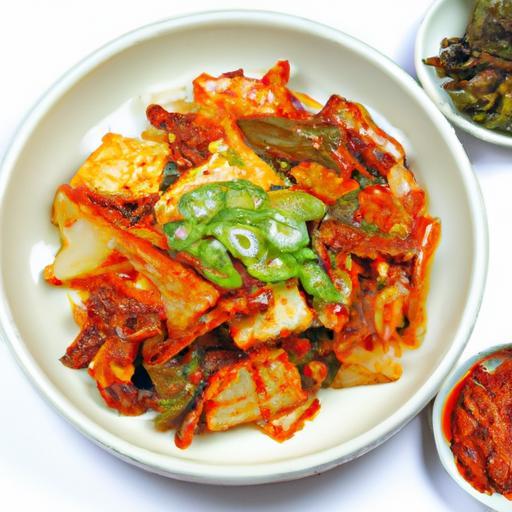
Exploring Fermented Perfection: Classic Napa Cabbage kimchi
Kimchi is more than just a dish; its a living, breathing tradition that has defined Korean meals for centuries.This fermented spicy cabbage embodies the essence of Korean flavors – sour, spicy, umami, and crisp. perfecting kimchi lets you appreciate the balance of careful salting, seasoning with garlic, ginger, and gochugaru (Korean red pepper flakes), and the magic of time during fermentation.
- 2 medium Napa cabbages (about 4 lbs)
- 1 cup kosher salt
- 5 cups cold water
- 1/2 cup Korean red pepper flakes (gochugaru)
- 6 cloves garlic, minced
- 1 tablespoon ginger, minced
- 3 tablespoons fish sauce or soy sauce for a vegan option
- 1 medium daikon radish, julienned
- 4 scallions, chopped
- 1 tablespoon sugar
- Salt the cabbage: Cut cabbages lengthwise, soak leaves in saltwater (1 cup salt dissolved in 5 cups water) for 2 hours, flipping halfway. This draws out moisture to crisp the texture.
- Rinse and drain: Rinse thoroughly to remove excess salt.Let drain for 20 minutes.
- Prepare the kimchi paste: Combine garlic, ginger, gochugaru, fish sauce, and sugar in a bowl until a thick paste forms.
- Mix vegetables: Add daikon and scallions to the paste, then gently coat the cabbage leaves evenly with this spicy mix, using gloves to protect your skin.
- Pack tightly in a jar: press down to remove air pockets. Leave some space at the top for expansion during fermentation.
- Ferment: Leave at room temperature 3-7 days depending on taste preference; refrigerate afterward to slow fermentation.
Mastering Korean Barbecue: Juicy Bulgogi and Samgyeopsal
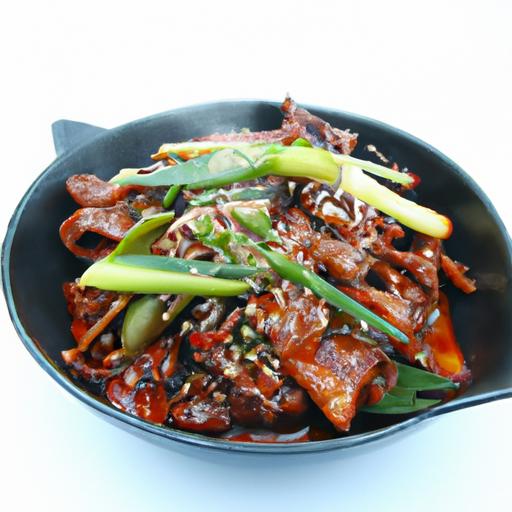
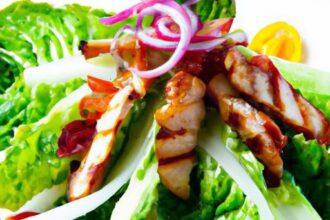
Korean barbecue brings the table to life with its interactive, smoky cooking style. Bulgogi-thinly sliced marinated beef-and samgyeopsal-thick pork belly slices-are iconic cuts. The secret lies in the marinade’s balance of soy sauce, garlic, sesame oil, sugar, and pear juice, tenderizing meat and infusing each bite with salty-sweet depth.
- 1 lb thinly sliced beef ribeye or sirloin
- 1/4 cup soy sauce
- 2 tablespoons grated Asian pear
- 1 tablespoon sesame oil
- 2 cloves garlic, minced
- 1 tablespoon brown sugar
- 1 teaspoon black pepper
- 1/2 onion, thinly sliced
- 2 green onions, chopped
- Marinate the beef: Combine soy sauce, pear, sesame oil, garlic, sugar, pepper, onion, and green onions. Marinate beef for at least 30 minutes or overnight for enhanced flavor.
- Grill: Preheat grill or grill pan over medium-high heat. Cook meat slices until caramelized and just cooked through-2 to 3 minutes per side.
- Rest briefly: Let meat rest 2 minutes before serving for juicier results.
Delighting in Korean street Food Classics: Hotteok and Tteokbokki
korean street food offers a quick, flavorful escape into local culture. Hotteok,sweet syrup-filled pancakes,contrast beautifully with the spicy,chewy tteokbokki – rice cakes simmered in gochujang sauce.Both are favorites at bustling markets and perfect for sharing.
Hotteok (Sweet Syrup Pancakes)
- 2 cups all-purpose flour
- 1 cup warm water
- 2 teaspoons dry yeast
- 1 tablespoon sugar (for dough)
- 1/2 cup brown sugar
- 1/4 cup chopped walnuts
- 1 teaspoon cinnamon powder
- Oil for frying
- Dough preparation: Dissolve yeast in warm water with sugar. Combine with flour to form a sticky dough. Let rise for 1 hour.
- Prepare filling: Mix brown sugar, walnuts, and cinnamon.
- Shape and fry: Divide dough, flatten, fill with filling, seal, then pan-fry on medium heat until golden and syrup oozes inside.
Tteokbokki (Spicy Rice Cakes)
- 1 lb Korean rice cakes (tteok)
- 2 cups water or anchovy stock
- 3 tablespoons gochujang (Korean chili paste)
- 1 tablespoon sugar
- 2 green onions, chopped
- 2 boiled eggs (optional)
- Boil sauce: In medium pot, combine water/stock with gochujang and sugar. Bring to a boil.
- Add rice cakes: Simmer rice cakes in sauce 8-10 minutes until soft and sauce thickens.
- Finish with garnishes: Stir in green onions and top with boiled eggs. Serve hot.
Tips for Success
- Kimchi: Use gloves when applying kimchi paste to avoid irritation. For a milder kimchi, reduce gochugaru amount.
- Barbecue: Thin slices cook quickly; don’t overcook to avoid dryness. Serve immediately for best texture.
- Street Food: Hotteok dough is sticky but becomes airy and crispy when fried. For tteokbokki, soak dried rice cakes in warm water before cooking for better chewiness.
Serving Suggestions
- Kimchi pairs beautifully with steamed rice, mild stews, or grilled meats to balance bold flavor.
- Korean barbecue is best enjoyed wrapped in lettuce leaves with sliced garlic, ssamjang (spicy dipping sauce), and a bite of rice.
- Hotteok is a delightful dessert or snack eaten warm with a cup of hot tea.
- Tteokbokki makes a perfect appetizer or street-side comfort food, complemented by fried seaweed rolls or fish cakes.
| Dish | Calories | Protein | Carbs | Fat |
|---|---|---|---|---|
| Classic Kimchi (1 cup) | 40 kcal | 2 g | 7 g | 0.5 g |
| Bulgogi (4 oz) | 280 kcal | 26 g | 8 g | 14 g |
| Hotteok (1 pancake) | 180 kcal | 3 g | 35 g | 4 g |
| Tteokbokki (1 cup) | 300 kcal | 6 g | 45 g | 5 g |

For those eager to deepen their knowledge, explore our Korean Fermented Foods Guide. To understand the rich history behind fermentation, visit the Encyclopedia Britannica’s kimchi overview.
Q&A
Q&A: Discover Authentic Korean Recipes – Flavors That Inspire
Q1: What makes Korean cuisine uniquely authentic?
A1: Korean cuisine is a vibrant tapestry of bold flavors, seasonal ingredients, and time-honored techniques. What sets it apart is the harmonious blend of spicy, sweet, savory, and fermented tastes-all rooted in centuries-old traditions. from the iconic kimchi to the hearty bibimbap, every dish tells a story that connects food with culture and community.
Q2: Which key ingredients define authentic Korean cooking?
A2: At the heart of Korean cooking are ingredients like gochujang (fermented red chili paste), doenjang (soybean paste), garlic, sesame oil, and freshly harvested vegetables. These staples create the complex umami flavors Korean dishes are celebrated for, often enhanced by fermentation that adds depth and nutrition.
Q3: Can you share a beginner-kind authentic Korean recipe?
A3: Absolutely! Try making Bibimbap-a colorful, nourishing bowl of rice topped with sautéed vegetables, marinated beef (optional), a fried egg, and a generous dollop of spicy gochujang sauce. It’s simple to prepare and beautifully encapsulates the balance of textures and flavors intrinsic to korean cuisine.
Q4: How does Korean food reflect its cultural heritage?
A4: Korean food mirrors the country’s agricultural cycles, communal values, and ancient influences. Many dishes were developed to preserve seasonal produce through fermentation or pickling, which also fostered communal eating habits, like sharing kimchi jars during meals.Food is more than sustenance-it’s an expression of identity and togetherness.
Q5: What tips can definitely help someone explore authentic Korean cooking at home?
A5: Start by sourcing quality Korean ingredients-authentic gochujang or salted fermented fish sauce can transform a dish. Embrace fermentation if you can,as it unlocks signature flavors. Don’t rush; many traditional recipes develop their magic over time. And most importantly,experiment joyfully-Korean cuisine is as much about passion as it is precision.
Q6: Why shoudl food lovers add Korean recipes to their culinary repertoire?
A6: Exploring Korean recipes broadens your palate with dynamic, healthful flavors that awaken the senses. It’s a chance to dive into a cuisine that celebrates freshness, balance, and history. Every dish is an invitation to savor something both comforting and exhilarating-a true feast for the senses and the soul.
In Retrospect
Embarking on a culinary journey through authentic korean recipes opens more than just doors to new flavors-it invites you to experience a rich cultural tapestry woven with history, tradition, and passion. Whether it’s the smoky depth of bulgogi, the spicy kick of kimchi, or the comforting warmth of bibimbap, each dish tells a story that goes beyond the plate. As you experiment with these vibrant flavors in your own kitchen, let them inspire not only your taste buds but also your thankfulness for a cuisine that beautifully balances harmony and boldness. So, gather your ingredients, embrace the art of Korean cooking, and let these authentic recipes transform your meals into memorable adventures that celebrate the heart and soul of Korea.