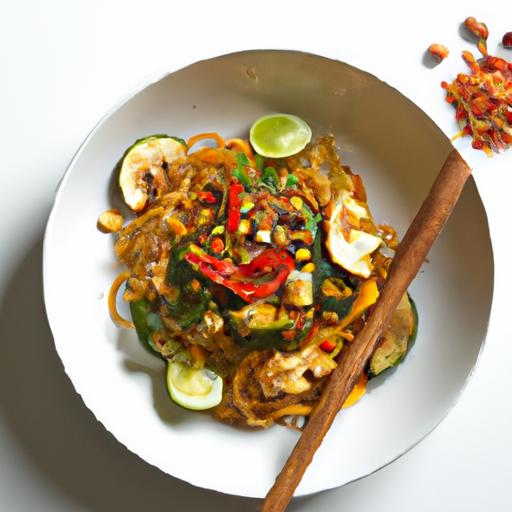

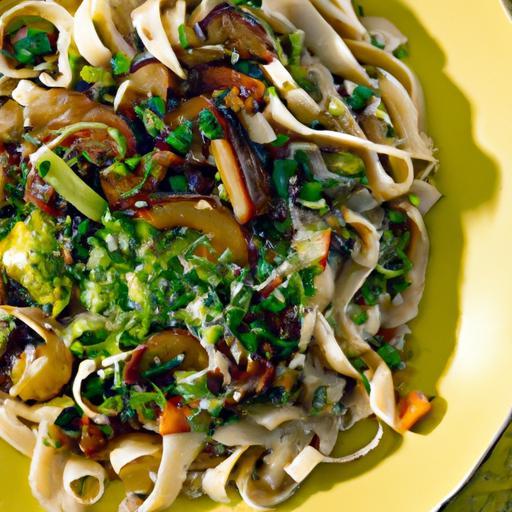
In a world brimming with culinary delights, few dishes capture the essence of comfort and creativity quite like the humble noodle bowl. “noodle Bowls unveiled: A Flavorful Journey in Every Bite” invites you to dive beyond the surface of this global favorite, unraveling the rich tapestry of flavors, textures, and traditions nestled within each steaming bowl. From fragrant broths simmered for hours to vibrant toppings bursting with color and crunch, noodle bowls offer more than just a meal-they tell a story of culture, craft, and passion. Join us as we explore the origins, variations, and secret ingredients that transform simple strands of noodles into a symphony of taste, promising a flavorful adventure with every bite.
Noodle Bowls Unveiled: A Flavorful Journey in Every Bite begins with the heart of any extraordinary bowl-the broth. Mastering the art of broth crafting unlocks layers of depth, warmth, and umami that elevate the humble noodle into a transcendent culinary experience. From slow-simmered bones infused with fragrant herbs to vibrant vegetable-based elixirs, the broth sets the stage for an adventurous exploration of global noodle varieties and their captivating textures.
Prep and Cook Time
- Readiness: 30 minutes
- Broth simmering: 3 hours
- Assembly and cooking noodles: 15 minutes
- Total: 3 hours 45 minutes
Yield
Serves 4 generous portions
Difficulty Level
Medium
Ingredients
- For the Broth:
- 3 lbs beef bones or chicken carcass, roasted
- 1 large onion, quartered
- 4 cloves garlic, smashed
- 2-inch piece ginger, sliced thin
- 2 star anise pods
- 1 cinnamon stick
- 1 tbsp coriander seeds
- 10 cups cold water
- 2 tbsp fish sauce
- Salt to taste
- Noodles:
- 12 oz fresh rice noodles (or preferred variety: udon, soba, egg noodles)
- Toppings:
- 4 soft-boiled eggs, halved
- 1 cup thinly sliced scallions
- 1 cup fresh bean sprouts
- 1 cup baby bok choy, blanched
- 1/2 cup thinly sliced radish
- Fresh cilantro sprigs
- Chili oil or fresh chili slices (optional)
- Lime wedges
Instructions
- Prepare the Broth: Roast the beef bones or chicken carcass in a 400°F oven for 30 minutes until golden and aromatic. Transfer to a large pot.
- Add onion, garlic, ginger, star anise, cinnamon, and coriander seeds to the pot. Pour in cold water and bring to a rolling boil. Reduce heat and simmer gently for 3 hours, skimming foam occasionally for clarity.
- Strain the broth through a fine sieve into a clean pot. Season with fish sauce and salt to taste. Keep warm on low heat.
- Cook the Noodles: Bring a large pot of water to a boil. Add the rice noodles and cook according to package instructions,usually 2-3 minutes until tender but chewy.Drain and rinse under cold water to stop cooking.
- Prepare Toppings: Soft boil eggs (7 minutes), cool in ice water, peel and halve. Blanch bok choy briefly in boiling water, drain.
- Assemble the Bowls: Divide noodles among four bowls. Ladle hot broth generously over noodles. Arrange toppings artfully-soft-boiled eggs, scallions, bean sprouts, bok choy, radish, and cilantro.
- Add optional chili oil or fresh chilies for a fiery kick. Serve instantly with fresh lime wedges for a bright, tangy finish.
Tips for Success
- Broth Variations: Substitute beef with pork, chicken, or a rich vegetable broth to suit dietary preferences.
- Make-Ahead: The broth can be prepared up to 3 days in advance and refrigerated, flavors improve over time.
- Noodle Choices: Experiment with texture-slippery udon,delicate soba,or hearty egg noodles all bring different mouthfeel experiences.
- Clearer Broth: Blanch bones briefly in boiling water before roasting to remove impurities for a cleaner broth.
- Vegetarian Adaptation: Use dried shiitake mushrooms, kombu, and miso paste for a deep umami vegetarian broth.
Serving suggestions
Present your noodle bowl with vibrant pops of green herbs and colorful vegetables for an Instagram-worthy presentation. Pair with a crisp, cold sake or a light jasmine tea to balance the rich broth. Offer chopsticks and a soup spoon to enjoy the textures and flavors fully. For a hands-on experience, serve with small bowls of garnishes like crushed peanuts, sliced scallions, and fresh lime for guests to customize their bowls.
| Nutrient | Per Serving |
|---|---|
| Calories | 480 kcal |
| Protein | 35 g |
| Carbohydrates | 45 g |
| Fat | 12 g |

For a deeper dive into broth techniques, visit Serious Eats’ Broth Guide. Also, explore our related article on Global Noodle Varieties and Their Textures to expand your noodle bowl repertoire.
Q&A
Q&A: Noodle Bowls Unveiled: A Flavorful Journey in Every Bite
Q1: What makes noodle bowls such a beloved dish around the world?
A1: noodle bowls captivate taste buds becuase they are a harmonious blend of textures, flavors, and cultures. From silky noodles to savory broths, fresh herbs, tender proteins, and crunchy vegetables, each bowl offers a multi-sensory experience that feels both comforting and adventurous. their versatility means they can be tailored to any palate, making them a universal favorite.
Q2: How did noodle bowls originate, and how have they evolved?
A2: noodle bowls trace their roots back thousands of years to ancient Asia, were noodles were first made from simple grains. Over centuries, they evolved through regional influences-think Japanese ramen, Vietnamese pho, Thai boat noodles-each adding unique spices, broths, and accompaniments. Today, they transcend borders, merging customary recipes with modern twists to create new culinary stories.
Q3: What are the essential components of a classic noodle bowl?
A3: At its core, a classic noodle bowl includes a base of cooked noodles, a flavorful broth or sauce, protein (like beef, chicken, tofu, or seafood), fresh vegetables or herbs, and ofen a garnish such as chili, lime, or crushed peanuts. The magic lies in the balance-umami meets acidity, softness contrasts with crunch, and warmth unites every ingredient.
Q4: Can noodle bowls be customized for different dietary preferences?
A4: Absolutely! Noodle bowls are culinary chameleons. Whether you’re vegan, gluten-free, or a meat lover, there’s a noodle bowl for you. Rice noodles for gluten sensitivity, tofu or tempeh for plant-based protein, vegetable broths for lighter options-the possibilities are endless, proving that inclusivity is part of their global appeal.
Q5: What tips can definitely help someone create their own flavorful noodle bowl at home?
A5: Start with a rich, well-seasoned broth or sauce-it’s the soul of the bowl. Choose noodles that complement your broth’s texture, and don’t skimp on fresh herbs and crunch from vegetables or nuts. layer flavors by adding acid (like lime or vinegar) and heat (chili or pepper) last to brighten the dish. experiment! Noodle bowls thrive on creativity, so trust your palate and have fun.
Q6: Why is eating a noodle bowl considered more than just a meal?
A6: Eating a noodle bowl is an immersive ritual-a comforting pause in a busy day that celebrates tradition, community, and sensory pleasure. Each slurp connects you to centuries of culinary heritage and the hands that crafted the ingredients. It’s a flavorful journey that nourishes both body and soul, inviting mindfulness with every delightful bite.
In Retrospect
As we wrap up this flavorful journey through the world of noodle bowls, it’s clear that each vibrant bowl is more than just a meal-it’s a party of culture, creativity, and comfort. From aromatic broths to crunchy toppings and perfectly cooked noodles, every bite tells a story waiting to be savored. Whether you’re a seasoned noodle enthusiast or a curious newcomer, embracing the endless variations of noodle bowls invites you to explore a tapestry of tastes that dance on the palate and warm the soul. So next time you lift your chopsticks, remember: you’re not just eating-you’re embarking on a delicious adventure that unveils the rich, diverse flavors of noodle bowls, one slurp at a time.