
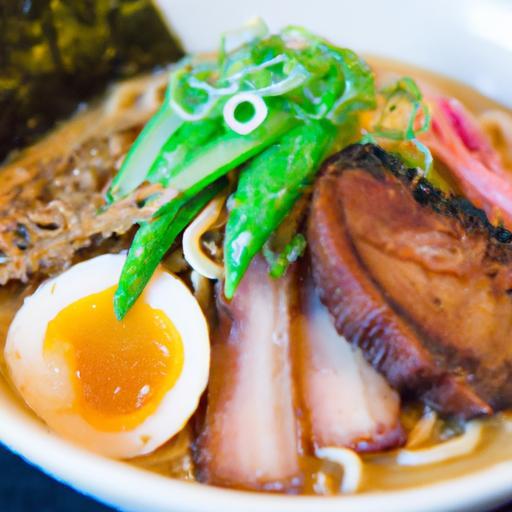
In the steaming swirl of broth, the delicate dance of noodles, and the symphony of flavors that unfold with every slurp, ramen is more than just a meal-it’s a living tradition, an art form, and a science all rolled into one bowl. From the bustling streets of Tokyo too cozy neighborhood shops around the world, ramen has captivated the senses and sparked a global obsession. But what exactly goes into crafting that perfect bowl? Beyond the tempting aroma and vibrant ingredients lies a meticulous process shaped by culture, chemistry, and creativity. Join us as we unravel the secrets behind ramen’s irresistible appeal, exploring the artistry and science that transform simple ingredients into a culinary masterpiece worth savoring.
Ramen revealed opens a world of culinary artistry where each bowl tells a story of tradition, passion, and precision. This dish,born from humble street stalls in Japan,has transcended borders to become an emblem of comfort and creativity. Crafting the perfect broth demands patience and nuance-a harmonious blend of umami-packed ingredients simmered slowly to coax profound depth and complexity that sing with every slurp.
Prep and Cook Time
- Preparation: 20 minutes
- Cooking: 5 hours (including broth simmering)
- Total Time: Approximately 5 hours 20 minutes
Yield
Serves 4 hearty bowls
Difficulty Level
Medium - requires attentive simmering and layering of flavors but approachable for enthusiastic home cooks
Ingredients
- Broth Base:
- 2 lbs pork bones (neck and leg bones preferred), blanched
- 1 lb chicken carcass or wings
- 1 large onion, quartered
- 4 garlic cloves, smashed
- 1-inch piece fresh ginger, sliced
- 2 dried shiitake mushrooms
- 1 sheet kombu (dried kelp), wiped
- 2 tbsp soy sauce
- 1 tbsp sake
- 1 tbsp mirin
- Salt to taste
- Noodles:
- 400g fresh ramen noodles (medium thickness recommended for balanced bite)
- Toppings:
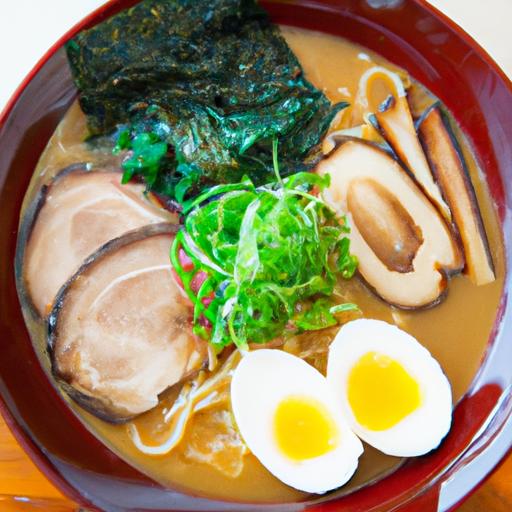
- 4 soft-boiled eggs (marinated in soy and mirin for 12 hours)
- Thinly sliced chashu pork (braised pork belly)
- Chopped green onions
- Menma (fermented bamboo shoots)
- Toasted nori sheets
- Fresh bean sprouts
- Sesame seeds
instructions
- Prepare the bones: Start by blanching pork bones in boiling water for 10 minutes to remove impurities. Drain and rinse bones under cold water to ensure a clear broth.
- build the broth: In a large stockpot, combine blanched pork bones, chicken carcass, onion, garlic, ginger, shiitake mushrooms, and kombu. Cover with 4-5 liters cold water.
- Simmer gently: Bring to a rolling boil, then reduce to a gentle simmer.Skim off any scum that rises to the surface every 20 minutes. Let simmer uncovered for 4 to 5 hours to extract every drop of flavor and collagen that creates a rich, silky broth.
- Add seasoning: Remove kombu after 1 hour to avoid bitterness. In the last 30 minutes, add soy sauce, sake, mirin, and salt to taste. Adjust seasoning carefully, balancing salty, umami, and mild sweetness.
- Prepare noodles: Cook fresh ramen noodles in boiling water about 2-3 minutes or until al dente, stirring gently to keep strands separated. Drain and rinse briefly in warm water to remove excess starch.
- Assemble the bowls: Divide noodles evenly into steaming bowls. Ladle hot broth over the noodles, filling each bowl generously.
- Layer toppings: Artfully arrange chashu slices, halved marinated eggs, menma, bean sprouts, chopped green onions, and nori sheets atop noodles. Sprinkle with toasted sesame seeds for a fragrant finish.
- Final touches: Serve promptly with chopsticks and a soup spoon to enjoy the full sensory experience-slurping noodles, savoring broth, and indulging in complementary textures.
Chef’s notes: Tips for Success
- Broth clarity: Blanching bones and skimming scum is essential for a clean taste and pristine color.
- Broth richness: Don’t rush the simmering stage-slow extraction builds the soup’s signature mouthfeel and umami complexity.
- Noodles matter: Fresh noodles provide the ideal chew and soak up broth flavors, but dried noodles can work if fresh is unavailable-cook slightly less to avoid mushiness.
- Marinated eggs: Make these a day ahead. The deeper the marinade, the more flavorful the yolk.
- Adapt toppings: Feel free to experiment with corn, kimchi, or spicy oils, but keep traditional balance in mind.
- Make ahead: Broth stores beautifully in the fridge for up to 3 days or freezes for weeks-perfect for preparing ramen anytime.
Serving Suggestions
Present ramen bowls on lacquered trays with clean white bowls for contrast.Offer chili oil, toasted garlic chips, and shichimi togarashi alongside for guests to personalize heat and aroma. Pair with an iced green tea or a light Japanese lager to balance the bowl’s richness. Garnish with a final drizzle of fragrant sesame oil or a few sprigs of fresh cilantro for brightness.

| Nutrition (per serving) | Amount |
|---|---|
| Calories | 520 kcal |
| Protein | 38 g |
| Carbohydrates | 45 g |
| Fat | 18 g |
For a deeper dive into noodle types and their perfect pairings, explore our Ultimate Guide to Ramen Noodles. To understand the science behind broth emulsification, this Serious Eats article on ramen broths is an excellent resource. Embrace the process, and your kitchen will soon be filled with the soul-soothing magic of a truly mastered bowl.
Q&A
Q&A: Ramen Revealed – The Art and Science Behind Every Bowl
Q1: What exactly makes ramen more than just a noodle soup?
Ramen transcends mere sustenance; it’s a delicate balance of flavors, textures, and aromas crafted through meticulous techniques. Each bowl is a symphony where broth, noodles, toppings, and seasoning harmonize, creating an experience that delights the senses and tells a story of culture and creativity.
Q2: How does the broth influence the character of ramen?
The broth is ramen’s soul. whether it’s a rich tonkotsu (pork bone) broth simmered for hours, a clear and delicate shoyu (soy sauce) base, or a vibrant miso blend, the broth imparts depth and personality. Its simmering process extracts collagen, umami, and subtle nuances that define each regional style and chef’s signature.
Q3: Why are noodles so crucial, and what’s special about their texture?
Noodles are the canvas of ramen. Crafted from wheat flour, water, salt, and sometimes kansui (alkaline mineral water), their texture can be firm, chewy, springy, or silky smooth. The perfect noodle bites back just enough, complementing the broth without overpowering it, creating a satisfying interplay of softness and resilience.
Q4: What role do toppings play beyond taste?
Toppings are both garnish and narrative. From tender chashu pork slices and soft-boiled ajitsuke tamago (marinated egg) to crisp bamboo shoots and fresh scallions, each element adds layers of flavor, texture, and color. They reflect regional influences and seasonal ingredients, elevating the bowl to an artful composition.
Q5: How has ramen evolved over time, blending tradition with innovation?
Originally a humble street food, ramen has blossomed into a global phenomenon. while traditional recipes honor time-honored methods, innovative chefs experiment with fusion flavors, unconventional broths, and artistic presentations. This evolution celebrates ramen’s versatility and cultural resonance across continents.
Q6: Can the science behind ramen explain why it’s so addictive?
Absolutely. Ramen’s umami-rich broth stimulates savory taste receptors, while the combination of fats, salt, and carbohydrates triggers pleasure centers in the brain. The contrast of textures-soft noodles, silky broth, crunchy toppings-engages multiple senses, making every slurp gratifying and memorably flavorful.
Q7: What’s the best way to truly savor a bowl of ramen?
Approach ramen with mindfulness: inhale the steamy aroma,appreciate the color gradient between broth and noodles,and taste each component individually before letting them mingle. Slurp the noodles to aerate the flavors and embrace the medley of sensations. This immersive ritual honors ramen’s artistry and complexity.
Ramen isn’t just food-it’s a crafted experience where art and science converge in a bowl of comfort and culture. Whether you’re a curious newcomer or a seasoned aficionado, understanding its layers enriches every bite.
In Summary
As the steam rises from your next bowl of ramen, you’ll carry with you more than just its comforting warmth and savory flavors-you’ll hold a deeper gratitude for the intricate dance of tradition, technique, and science that crafts each mouthful. From the meticulous broth simmering for hours to the perfectly textured noodles and the artfully placed toppings, every element tells a story steeped in culture and culinary innovation. So whether you’re slurping in a bustling Tokyo shop or recreating a recipe in your own kitchen, remember: ramen is more than a meal-it’s a masterpiece, a fusion of art and science that continues to evolve with every bowl served.