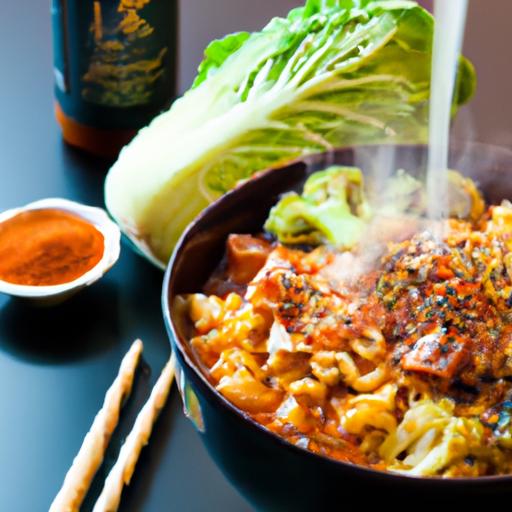

There’s a symphony in every slurp, an ancient ritual wrapped in steam and savory broth-welcome to the world of ramen noodles. Far beyond a simple bowl of noodles, ramen embodies a rich tapestry of history, culture, and culinary artistry that has traveled continents and evolved through generations. From the humble streets of Japan to global gourmet tables, the story of ramen is as layered and complex as its flavors. Join us as we unravel the slurping secrets behind this beloved dish, exploring how tradition, innovation, and a pinch of passion have shaped ramen into the iconic masterpiece it is today.
Slurping Secrets: Mastering the Perfect Ramen Broth and Noodle Technique
Slurping secrets unlock not only the savory depths of ramen but also its rich cultural tapestry. Originating in China and perfected in Japan, ramen’s journey from street stalls to Michelin-starred restaurants is a story steeped in tradition and innovation.every bowl tells a tale of broth mastery, noodle craftsmanship, and a ritualistic way of enjoying that perfect slurp.
Prep and Cook Time
- Preparation Time: 30 minutes
- Cook Time: 4 hours (for broth)
Yield
serves 4 hearty bowls
Difficulty Level
Medium – Patience and timing are key
Ingredients
- Broth Base:
- 3 lbs pork bones (preferably neck and femur)
- 1 lb chicken carcass
- 1 large onion, halved
- 1 whole garlic bulb, halved horizontally
- 1 knob fresh ginger (2 inches), sliced
- 2 dried shiitake mushrooms
- 1 sheet kombu (dried kelp), 4×4 inches
- 8 cups water
- Tare (Seasoning Sauce):
- ½ cup soy sauce
- ¼ cup mirin
- 2 tbsp sake
- 1 tsp sugar
- Noodles and Toppings:
- 12 oz fresh ramen noodles
- 4 soft-boiled eggs, halved
- 4 slices chashu pork belly (braised)
- 1 cup finely sliced green onions
- ½ cup bamboo shoots (menma)
- 1 sheet nori (seaweed), cut in halves
- optional: toasted sesame seeds, chili oil
Instructions
- Prepare the bones: Rinse pork bones and chicken carcass thoroughly. Place in a large stockpot, cover with cold water, then bring to a boil for 10 minutes to release impurities. Drain and rinse bones under cold water.
- Simmer the broth: Return cleaned bones to a clean pot and add onion,garlic,ginger,shiitake mushrooms,kombu,and 8 cups of fresh water. Bring to a gentle boil, reduce heat, and simmer uncovered for 4 hours, skimming foam occasionally for a clear broth.
- Make the tare: In a small saucepan over low heat, combine soy sauce, mirin, sake, and sugar. Warm gently until sugar dissolves. Set aside to cool.
- Cook the noodles: Boil a large pot of water and cook fresh ramen noodles for 1-2 minutes until tender but firm. Drain and rinse briefly under cold water to stop cooking. Set aside.
- Strain the broth: Remove bones and vegetables with a slotted spoon, then strain broth through a fine mesh sieve into a clean pot. Adjust seasoning with the tare sauce to taste, mixing gently to combine.
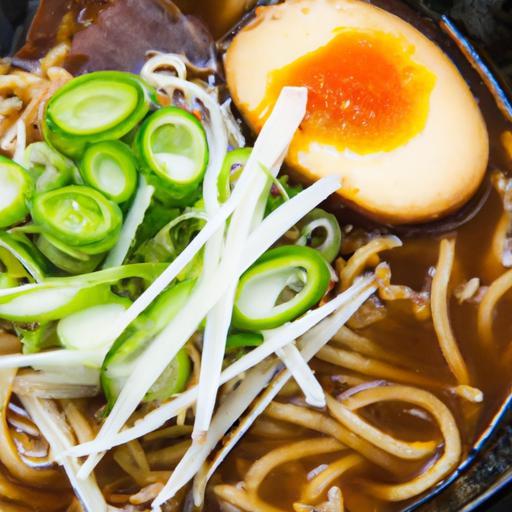
- Assemble the bowl: Divide noodles evenly into four warmed bowls. Ladle hot broth over noodles. Top each bowl with chashu pork slices, soft-boiled egg halves, bamboo shoots, green onions, and nori sheets.
- Serve immediately: Garnish optionally with toasted sesame seeds or a few drops of chili oil for a touch of heat. Encourage slurping to enhance the sensory experience.
Tips for Success
- Broth Clarity: Maintain a slow simmer to keep the broth rich but clear-avoid a rolling boil which emulsifies fats and clouds your broth.
- Noodle Texture: Fresh ramen noodles provide the best bite, but dried noodles can work-adjust cooking times accordingly.
- Make Ahead: Broth improves with time-prepare 24 hours ahead and refrigerate. Remove solidified fat for a cleaner finish or stir it in for extra umami.
- Variations: Swap pork bones for chicken for a lighter broth, or use miso or shio tare to explore different flavor profiles.
Serving Suggestions
Present each bowl with a small plate of pickled ginger or spicy mustard greens on the side to cleanse the palate. Pair your ramen with a light Japanese beer or green tea for a well-rounded experience.

| Nutrient | Per Serving |
|---|---|
| Calories | 540 kcal |
| Protein | 36 g |
| Carbohydrates | 52 g |
| Fat | 18 g |
For an in-depth exploration of noodles, check out our Ultimate Guide to Noodle Types. For more on ramen history and culture, visit Japan National Tourism Organization.
Q&A
Q&A: Slurping Secrets – The Art and History of Ramen Noodles
Q1: Why is slurping ramen not just polite but encouraged in many cultures?
A1: Believe it or not, that loud slurp is more than just a quirky dining habit – it’s a sign of appreciation and a way to amplify flavor! In Japan, slurping helps cool down the hot noodles while aerating the broth, enhancing the taste with every sip. It’s like an interactive chorus between eater and bowl, showing respect to the chef and the meal itself.
Q2: Where did ramen originate, and how did it become a global phenomenon?
A2: Ramen’s roots trace back to Chinese wheat noodles introduced to Japan in the late 19th century. Initially a street food in bustling cities, ramen evolved through regional twists-think miso-rich broths in Hokkaido or soy sauce bases from Tokyo. Post-WWII, instant ramen revolutionized the world, turning a once humble dish into a beloved global comfort food.
Q3: What makes ramen broth the “soul” of the dish?
A3: The broth is the heart and soul of ramen, simmered for hours or even days to coax out umami magic. From rich pork tonkotsu to delicate dashi-infused shoyu, each broth tells a story of place and palate. It’s a savory symphony balancing saltiness, sweetness, bitterness, and that elusive fifth taste-umami-that keeps slurpers coming back for more.
Q4: Are there any “secret” ramen rituals or traditions?
A4: beyond slurping, many ramen enthusiasts swear by the “kaedama” system: finishing your first serving of noodles, then ordering an extra helping to dip into the remaining broth. It’s a clever way to double down on deliciousness.Also, many ramen shops have unspoken etiquette, like eating quickly to appreciate the noodles at their best texture before they go soggy.
Q5: How has ramen inspired creativity beyond the bowl?
A5: Ramen’s influence spills over into pop culture, art, and even science. Chefs experiment with fusion varieties-ramen burgers, ramen pizza, and vegan broths-pushing boundaries while honoring tradition. Plus, ramen’s comforting allure has inspired everything from Japanese anime scenes to viral internet challenges, proving this humble noodle’s power to unite and delight.
Q6: what’s the ultimate tip for someone new to ramen?
A6: Don’t be shy-embrace the slurp! Dive in eagerly, savoring each mouthful as a sensory adventure. Explore different broths and toppings to find your favorite combo,and remember: ramen is as much about the experience as the flavors. So loosen that chopstick grip, lean in, and let the noodle journey begin!
To Conclude
As the final steam rises from your bowl and the last strands of noodles slip into your mouth, remember that ramen is more than just a meal-it’s a story told through broth and bite. From humble street stalls to elegant dining tables, the art and history of ramen weave a rich tapestry of culture, innovation, and heartfelt tradition. Every slurp is an invitation to connect with centuries of craftsmanship and communal joy. So next time you lift your chopsticks, savor not only the taste but the legacy simmering beneath the surface-a tasty reminder that in ramen, every slurp is a secret shared across time.