
there’s a certain magic in a steaming bowl of ramen-a harmonious dance of rich broth, perfectly cooked noodles, and an array of vibrant toppings that awaken the senses wiht every slurp. But beyond its comforting simplicity lies a world of culinary artistry, where each element is carefully crafted to deliver a symphony of flavors and textures. In this article, we invite you to master the art of noodles with slurp-worthy ramen recipes that transform humble ingredients into irresistible bowls of goodness. Whether your a seasoned chef or a curious home cook, get ready to dive deep into the secrets behind ramen’s captivating allure and elevate your noodle game to new, mouthwatering heights.
Slurp-Worthy Ramen Recipes: Master the Art of Noodles are a gateway to culinary bliss, inviting you to create bowls of warm comfort with rich, layered flavors and perfectly textured noodles. The journey to ramen mastery begins with understanding how each component-from broth to toppings-melds into a harmonious symphony on your palate. Let’s dive into unlocking homemade noodle secrets, crafting the ideal broth, and layering toppings that elevate every spoonful.
prep and Cook Time
- Prep Time: 30 minutes
- Cook Time: 3 hours (includes broth simmering)
- Total Time: Approximately 3 hours 30 minutes
Yield
Serves 4 hearty bowls
Difficulty Level
Medium – requires some prep but highly rewarding
Ingredients
-
- For the Broth:
- 2 lbs pork bones (preferably neck and trotters)
- 1 lb chicken carcass or wings
- 1 large onion, halved
- 1 whole garlic bulb, halved horizontally
- 1 2-inch piece of ginger, sliced
- 2 dried shiitake mushrooms
- 8 cups cold water
- 2 tbsp soy sauce
- 1 tbsp mirin
- 1 tsp sea salt (adjust to taste)
- For the Noodles:
- 3 cups all-purpose flour, sifted
- 1 tsp baking soda (or alkaline water if available)
- 1 cup warm water
- Pinch of salt
- Toppings:
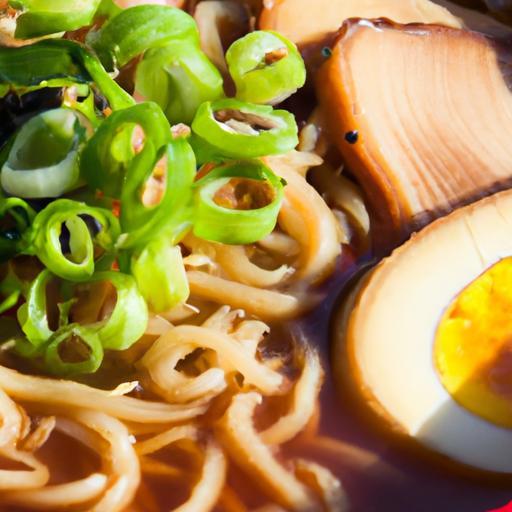
- 2 soft-boiled eggs, halved
- 4 slices chashu pork or braised pork belly
- 1 cup bamboo shoots (menma)
- 2 green onions, thinly sliced
- Nori sheets
- Bean sprouts, blanched
- Chili oil or rayu (optional)
- For the Broth:
Instructions
-
-
- Prepare the broth: Rinse pork bones and chicken under cold water to remove impurities. Add them to a large pot with 8 cups of cold water. Slowly bring to a boil, skimming off any foam that rises-this ensures a clear broth.
- Add onion,garlic,ginger,dried shiitake mushrooms,soy sauce,and mirin. Reduce heat to a gentle simmer and cook uncovered for at least 3 hours, occasionally skimming foam.
- Strain broth through a fine mesh sieve into a clean pot. Season with sea salt, adjusting to your taste preference. Keep warm on low heat.
- Make the noodles: Mix flour and baking soda in a large bowl. Gradually add warm water while stirring with chopsticks or hands until it comes together into a shaggy dough.
- Knead dough on a lightly floured surface for 8-10 minutes until smooth and elastic. cover with a damp towel and rest for 30 minutes for gluten to relax.
- roll dough out thinly (about 1/8 inch thick) and cut into thin strands roughly 1/8 inch wide. Toss with flour to prevent sticking and set aside.
- Cook noodles: Bring a large pot of water to a boil. Add noodles, stirring gently, and cook for 2-3 minutes until tender yet chewy. Drain and rinse under cold water briefly to stop cooking. Set aside.
- Assemble the bowl: Divide noodles evenly into warm bowls.Ladle hot broth over noodles.
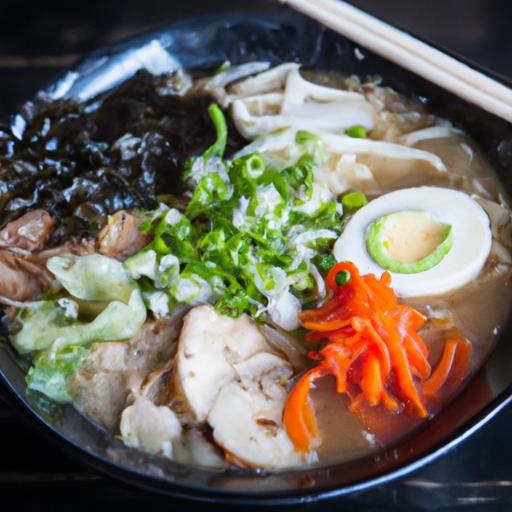
- Top with soft-boiled eggs, chashu pork slices, bamboo shoots, green onions, nori sheets, and bean sprouts. Drizzle with chili oil if desired.
- Serve immediately, encouraging guests to slurp loudly-this enhances flavor perception and fully honors the ramen tradition!
-
Tips for Success
-
-
- Broth clarity: Blanch bones before simmering to achieve a cleaner broth and avoid cloudiness.
- Noodle texture: Using baking soda simulates kansui (alkaline water) for that distinctive firm chewiness; if unavailable, try substituting with 1 tsp baking powder but expect a slight difference.
- Make ahead: Broth improves in flavor if made a day prior; refrigerate and skim off any solidified fat before reheating.
- Toppings variation: Feel free to substitute pork chashu with seared tofu for a vegetarian twist or add corn and butter for a Sapporo-style bowl.
- Balancing flavors: If broth tastes too salty, add a splash of water or unsalted dashi; if too bland, a touch more soy sauce or miso can amplify umami.
-
Serving Suggestions
Present your ramen in wide, deep bowls to allow noodles space to swirl.Garnish with fresh green onions and a sprinkle of toasted sesame seeds for added aroma and crunch. Pair your ramen with a chilled side of Japanese pickles (tsukemono) or edamame for a balanced meal. Encourage diners to savor the contrasting textures-from silky noodles to tender pork and crisp bamboo shoots-while sipping the rich, fragrant broth between bites.

| Nutrient | Per Serving |
|---|---|
| Calories | 580 kcal |
| Protein | 35 g |
| Carbohydrates | 60 g |
| Fat | 18 g |
For further inspiration,explore our Japanese noodle recipes to expand your repertoire. Dive deeper into the science of umami and broth crafting at Serious Eats.
Q&A
Q&A: Slurp-Worthy Ramen Recipes – Master the Art of Noodles
Q1: What makes ramen truly slurp-worthy?
A: it’s all about harmony – the marriage of rich, flavorful broth, perfectly cooked noodles, and an array of fresh, savory toppings. When each element is crafted with care, every slurp becomes a satisfying journey of textures and tastes, from the silky noodles to the umami-packed sip of broth.
Q2: How do I choose the right noodles for my ramen?
A: Authentic ramen noodles are typically alkaline, giving them that signature springy bite. Fresh noodles work best if you want that chewy texture,but high-quality dried ones can also do the trick. Thickness varies by style: thinner for lighter broths, thicker for heartier soups. Experiment until you find your favorite slurp-worthy match!
Q3: What’s the secret to a rich, flavorful broth?
A: Patience and layering flavors are key. Start with a good stock base - pork bones, chicken, or even vegetables for lighter options. Then simmer gently for hours,coaxing out collagen and depth. Incorporate umami bombs like miso, soy sauce, or dashi. The result? A broth that tastes like a warm hug in a bowl.
Q4: Can I make ramen broth ahead of time?
A: Absolutely! Broth often tastes better the next day once flavors have mingled and intensified. Make a big batch, store it in the fridge or freezer, and reheat when hunger strikes. This shortcut lets you master the art of noodles without the weekday time crunch.
Q5: What toppings elevate my ramen from good to unforgettable?
A: Toppings are your playground. Classic options include soft-boiled eggs with runny yolks, tender chashu pork, bamboo shoots, and green onions. Don’t forget the texture contrast – crispy nori sheets, crunchy bean sprouts, or a pinch of toasted sesame seeds can take your bowl into slurp-worthy territory.
Q6: How do I get the perfect egg for ramen?
A: Timing is everything! Soft-boiled eggs for ramen usually cook about 6 to 7 minutes, then plunge immediately into ice water to halt cooking. Marinate overnight in soy sauce, mirin, and a touch of sugar for that iconic amber color and savory-sweet punch. When sliced, the yolk should be luxuriously creamy, melting into your broth like golden treasure.
Q7: is making ramen at home challenging for a beginner?
A: With the right recipe and a pinch of patience, making ramen is surprisingly approachable. Start with simpler broths or even instant noodles jazzed up with your homemade toppings. Gradually build confidence and skills – soon you’ll be creating bowl after bowl of slurp-worthy masterpieces, all from your own kitchen.
Q8: Any tips for slurping ramen like a pro?
A: Embrace the slurp! Not only is it customary, it helps cool the noodles and enhances the flavor experience. Use chopsticks to lift a tangle of noodles, then slurp loudly and proudly. don’t forget to scoop some broth with your spoon and savor every mouthful.
Q9: Can ramen be healthy?
A: Definitely! By controlling ingredients you can tailor ramen to balance indulgence and nutrition. Lean proteins,fresh veggies,and moderate sodium in the broth keep it wholesome. Go light on the oil and choose whole-grain noodles if you like. Slurp guilt-free!
Q10: What’s the biggest mistake to avoid when making ramen?
A: Overcooking noodles is the cardinal sin – mushy noodles kill the experience.Cook them just until al dente and serve immediately. Also, don’t rush your broth; flavors need time to develop. Respect your ingredients, and your ramen will repay you with every soul-satisfying slurp.
Mastering ramen is an art that rewards patience, passion, and a love for bold flavors.Ready your pots, sharpen those chopsticks, and get ready for a noodle adventure that’s truly slurp-worthy!
The Way Forward
As you embark on your journey to master the art of noodles, remember that each bowl of ramen is more than just a meal-it’s a symphony of flavors, textures, and traditions coming together in perfect harmony. Whether you prefer a rich, creamy tonkotsu broth or a light, refreshing shoyu base, these slurp-worthy recipes are your gateway to endless culinary creativity. So roll up your sleeves, gather your favorite ingredients, and dive into the satisfying world of homemade ramen. Your taste buds-and your soul-will thank you with every savory, steamy spoonful. Happy slurping!