
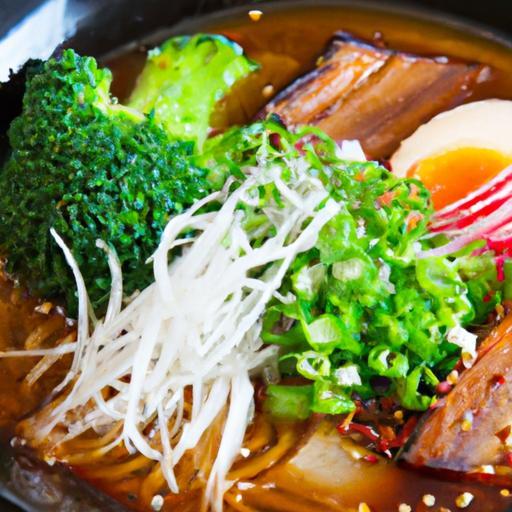
In teh swirling steam rising from a humble bowl of ramen lies a story as rich and layered as the broth itself. “Ramen Reverie: Exploring the Art and Soul of Noodles” invites you on a sensory journey through the heart of one of Japan’s most beloved culinary treasures. More than just a quick meal, ramen is a canvas where tradition meets innovation, where every strand of noodle and every drop of broth whispers tales of regional heritage, masterful technique, and soulful comfort. Join us as we unravel the intricate craft behind this iconic dish, diving deep into its history, cultural significance, and the passionate artisans who keep the noodle’s spirit alive-one slurp at a time.
Ramen Reverie begins with a journey through flavor and tradition, one bowl at a time. Originating in Japan but inspired by Chinese wheat noodles, ramen has evolved into a global culinary phenomenon.What makes this dish truly special is its harmonious marriage of broth, noodles, and toppings-each element telling a story of craftsmanship and culture. Whether you crave a robust Tonkotsu pork bone broth or a clean Shoyu soy-based soup, mastering ramen is about unlocking layers of taste and texture that elevate an everyday meal into an art form.
Prep and Cook Time
- Preparation: 30 minutes
- Cooking: 4 hours (broth simmering)
- Total: 4 hours 30 minutes
Yield
Serves 4 hearty bowls
Difficulty Level
Medium – requires patience and attention to detail
Ingredients
- For the Broth:
- 2 lbs pork bones (preferably leg and neck bones)
- 1 lb chicken wings or carcass
- 1 onion,halved
- 1 head garlic,halved horizontally
- 2-inch piece ginger,sliced
- 2 dried shiitake mushrooms
- 8 cups cold water
- 1/4 cup soy sauce
- 2 tbsp mirin
- 1 tsp salt (adjust to taste)
- For the Noodles:
- 400g fresh ramen noodles (or dried if unavailable)
- essential Toppings:
- 4 soft-boiled eggs,marinated in soy sauce
- 8 slices chashu pork belly
- 1 cup sliced green onions
- 1 sheet nori (seaweed),cut into strips
- Bamboo shoots (menma),1/2 cup
- Bean sprouts,lightly blanched
Instructions
- Prepare the Broth: Place pork bones and chicken wings in a large pot. Cover with cold water and bring to a rolling boil for 10 minutes. Skim off any scum that rises to the surface to ensure a clear broth.
- Drain and rinse bones under cold water to remove residue. Clean the pot.
- Return bones to the pot, add fresh 8 cups of cold water, onion, garlic, ginger, and shiitake mushrooms.
- Bring to a gentle simmer over medium-low heat. Maintain a low simmer (avoid boiling) for at least 4 hours, skimming occasionally to remove impurities. This slow simmer extracts rich flavor and collagen for a silky mouthfeel.
- after simmering, strain the broth through a fine mesh sieve into a clean pot. Discard solids.
- Season broth with soy sauce, mirin, and salt. Adjust seasoning carefully - ramen broth should be balanced with a deep umami punch but not overpowering.
- Cook the Noodles: Bring a large pot of water to a rolling boil. Cook fresh ramen noodles for 2-3 minutes until al dente. Drain noodle and instantly rinse under cold water to stop cooking, then briefly dip in hot water just before serving to reheat.
- assemble Your Bowl: Divide noodles evenly among four warmed bowls.
- Ladle steaming broth over noodles, filling each bowl generously.
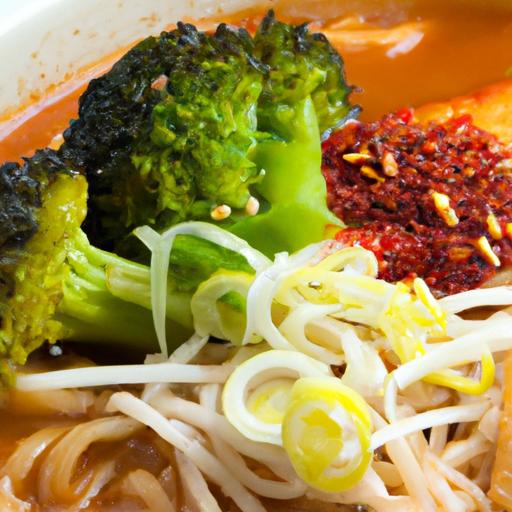
- Garnish each bowl with two slices of chashu pork, a soft-boiled egg (halved), bamboo shoots, green onions, bean sprouts, and nori strips.
Tips for Success
- Broth clarity: Skimming scum early and maintaining a controlled simmer keeps your broth radiant and clean.
- Noodle texture: Fresh noodles yield the best chew; if using dried, add an extra 30 seconds to cooking time.
- soft-boiled eggs: Marinate eggs in a 1:1 soy sauce and water mixture overnight for rich flavor.
- Make-ahead: Broth can be prepared 2-3 days in advance and refrigerated or frozen to deepen its flavor.
- Variations: Substitute chicken broth for pork for a lighter Shoyu or Miso ramen base.
Serving Suggestions
Present ramen in deep ceramic bowls to retain heat. serve with a small dipping plate of chili oil or toasted sesame seeds on the side. A pair of bamboo chopsticks and a porcelain soup spoon elevate the authentic experience. Garnish with fresh cilantro or a touch of yuzu zest to add brightness and complexity to the savory broth.

| Nutrient | Per Serving |
|---|---|
| Calories | 520 kcal |
| Protein | 38 g |
| Carbohydrates | 45 g |
| Fat | 18 g |
For further inspiration and variations on noodle dishes, check out our Handmade Noodles Recipes. To delve deeper into Japanese cuisine and culture, visit Japan Guide’s Ramen Overview.
Q&A
Q&A: Ramen Reverie - Exploring the Art and Soul of Noodles
Q1: What makes ramen more than just a bowl of noodles?
Ramen is a culinary symphony where broth, noodles, toppings, and tradition intertwine. It’s not merely sustenance but a cultural emblem that tells stories of regions, history, and craftsmanship. Every slurp reveals layers of meticulous preparation and heartfelt passion, transforming a simple dish into an experience of warmth and artistry.
Q2: How dose the broth define the soul of ramen?
The broth is ramen’s beating heart. Crafted from hours of simmering bones, vegetables, and secret ingredients, it carries depth and character unique to each style. Whether it’s the creamy richness of tonkotsu, the clear elegance of shoyu, or the robust kick of miso, the broth shapes the entire flavor journey and sets the emotional tone of the bowl.
Q3: What role do noodles play in creating the perfect ramen?
Noodles are the canvas upon which the broth paints its flavors. Their texture-be it firm, chewy, or silky-and thickness must harmonize with the broth’s intensity. Handmade or machine-cut, fresh or dried, the noodles’ resilience to soaking up broth while maintaining bite is a delicate balance achieved through skill and tradition.
Q4: How do toppings enhance the ramen experience?
Toppings are ramen’s storytellers, each adding a unique chapter. From tender chashu pork and marinated eggs to crisp seaweed and fragrant scallions, toppings introduce texture, contrast, and bursts of flavor. they also highlight local ingredients and seasonal nuances, turning each bowl into a personalized narrative.
Q5: Can ramen be considered a form of art?
Absolutely. The creation of ramen is an art form combining culinary precision, sensory intuition, and cultural heritage. Chefs are artisans who orchestrate ingredients into a harmonious masterpiece. The presentation, aroma, and taste converge to evoke emotions, making ramen not just food but a multisensory work of art.
Q6: Why has ramen captivated global palates beyond Japan?
Ramen’s global appeal lies in its adaptability and soulful authenticity. It invites endless creativity while preserving core traditions, allowing chefs worldwide to innovate without losing essence. As a comforting and satisfying meal, ramen resonates with diverse cultures, bridging culinary gaps and inspiring reverence wherever it’s enjoyed.
Q7: What should first-timers know before diving into their ramen journey?
Approach ramen with curiosity and an open palate. Observe the layers-from the scent of the broth to the texture of noodles and melody of toppings. Don’t rush the experience; savor each bite and slurp, as that’s the true ritual of ramen appreciation.Remember, beneath the steam and slurp lies a heartfelt story waiting to be discovered.
Concluding Remarks
As the final slurp of broth warms the soul and the last tender strand of noodle slips from chopsticks to mouth, we find that ramen is far more than a dish-it is a living tapestry of culture, craft, and comfort. Each bowl tells a story, entwining tradition and innovation, simplicity and complexity, nourishment and nostalgia. In exploring the art and soul of ramen, we’ve uncovered not just a culinary delight, but a heartfelt ritual that connects people across tables, cities, and continents. So whether you’re a seasoned ramen aficionado or a curious newcomer, may your next bowl invite you to savor not only the flavors but also the rich heritage simmering beneath the surface-a true reverie in every bite.