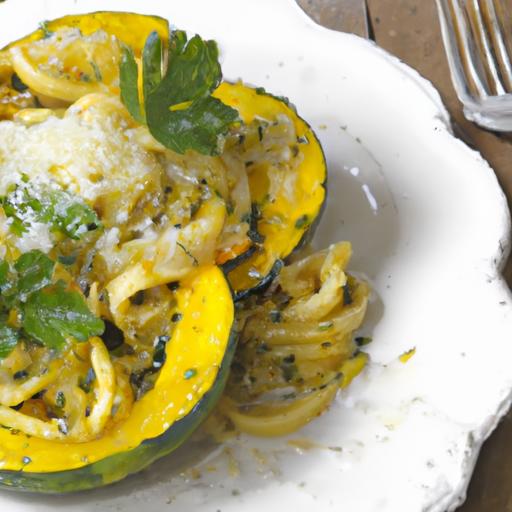

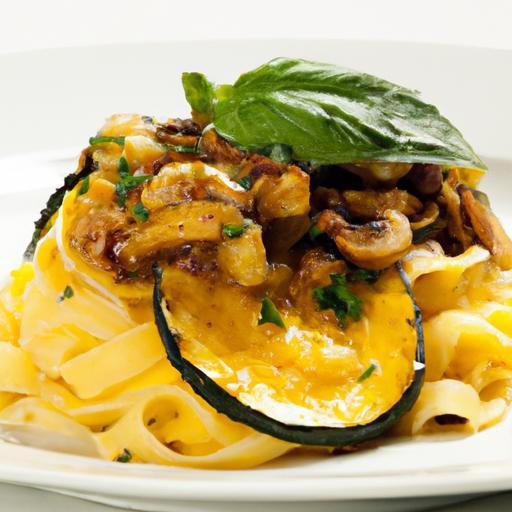
Beneath its spiky, pumpkin-like exterior lies a culinary surprise that’s been quietly revolutionizing kitchens and dinner plates alike: spaghetti squash. This vibrant,golden orb isn’t just another vegetable-it’s nature’s clever answer for those craving the comforting embrace of pasta without the carb overload. In “Spaghetti Squash Secrets: Nature’s Low-Carb Pasta Twist,” we’ll unravel the magic behind this versatile squash,exploring how its unique texture and subtle flavor can transform yoru favorite dishes into wholesome,guilt-free delights. Whether you’re a devoted low-carb dieter or simply a curious foodie, prepare to discover how spaghetti squash is turning the pasta world upside down-one strand at a time.
Unlocking the Nutritional Power of Spaghetti squash for Healthy Living
Spaghetti squash secrets reveal a delightful way to enjoy a low-carb, nutrient-packed alternative to traditional pasta. this vibrant gourd has long been celebrated for its versatility and subtly sweet flavor that transforms effortlessly into strands mimicking spaghetti. Originating from Central america, spaghetti squash has earned its place in kitchens worldwide as a superfood that supports weight management, blood sugar stability, and digestive health.
Years ago, I first discovered spaghetti squash as a comforting substitute during a low-carb challenge.The moment I pierced its tender flesh and scraped out those golden,silky strands,I knew I’d unlocked a flavorful secret to nutritious,guilt-free indulgence. Today, I’ll guide you through mastering the art of perfectly roasted spaghetti squash every time, transforming it into irresistible dishes topped with creative sauces – all while respecting its wholesome essence.
Prep and Cook Time
- Preparation: 10 minutes
- Roasting: 40 minutes
- Total time: 50 minutes
Yield
Serves 4 as a main dish or 6 as a light side.
Difficulty Level
Easy - Perfect for beginner and seasoned cooks alike.
Ingredients
- 1 medium spaghetti squash (about 3 pounds)
- 2 tbsp extra virgin olive oil
- 1 tsp sea salt
- ½ tsp freshly ground black pepper
- 1 tsp garlic powder
- fresh basil leaves, for garnish (optional)
- Parmesan cheese, grated (optional)
Instructions
- Preheat your oven to 400°F (200°C). Use a sharp knife to carefully cut the spaghetti squash in half lengthwise. Scoop out the seeds and stringy pulp with a spoon and discard or save for roasting.
- Brush the cut sides generously with extra virgin olive oil. Sprinkle sea salt, garlic powder, and freshly ground black pepper evenly over the fleshy surfaces to enhance flavor.
- Place the halves cut-side down on a parchment-lined baking sheet. Roast for 35-40 minutes, checking tenderness by piercing the skin with a fork; the flesh should be soft but maintain firm strands.
- Remove from the oven and let cool for 5 minutes. Then, using a fork, gently rake the flesh to separate it into spaghetti-like strands. Be careful to lift from the skin without pressing too hard to keep the strands long and intact.
- Transfer the strands into a warm serving dish. Dress immediately with a drizzle of olive oil or your favorite sauce as desired. Garnish with fresh basil and sprinkle Parmesan cheese for an extra burst of savory goodness.
Tips for Success
- choose a firm, medium-sized spaghetti squash with a vibrant yellow hue to ensure sweetness and well-textured strands.
- If you prefer a quicker method, you can microwave the squash halves cut-side down for 10-12 minutes, but roasting enhances flavor and texture.
- For extra caramelization, flip the halves cut-side up and roast an additional 5 minutes after scraping out strands.
- To store leftovers, place the cooked squash strands in an airtight container and refrigerate for up to 3 days. Reheat gently to avoid drying out.
- Swap olive oil for avocado oil or ghee to vary flavor profiles while keeping healthy fats.
Transforming Spaghetti Squash into Irresistible Low-Carb Pasta Dishes
Once you have mastered perfectly roasted spaghetti squash, the culinary possibilities are endless. Use these delicate strands as a base for hearty Bolognese, zesty pesto combinations, or creamy Alfredo alternatives. The natural sweetness of spaghetti squash plays well against savory, spicy, or tangy sauces, making each dish uniquely satisfying without excess carbs.
Creative Toppings and Sauces to Elevate Your Spaghetti Squash Experience
- Roasted cherry tomatoes with fresh garlic and thyme for a Mediterranean twist.
- Garlic mushroom ragout with thyme and white wine,spooned over strands for umami depth.
- spicy arrabbiata sauce garnished with red pepper flakes and fresh parsley.
- Avocado cilantro crema for a cool, creamy finish that satisfies texture cravings.
- Toasted pine nuts and basil chiffonade to add crunch and brightness.
With these toppings, spaghetti squash transcends the ordinary and invites you to savor healthful indulgence that delights the eyes and palate alike.
| Nutrient | Per 1 Cup Cooked |
|---|---|
| Calories | 42 kcal |
| Protein | 1 g |
| Carbohydrates | 10 g |
| Fat | 0 g |
| Fiber | 2.2 g |

For a deeper understanding of the powerful nutrients packed into spaghetti squash, visit the National Center for Biotechnology Information research page.
Explore more wholesome pasta alternatives and vegetable-forward recipes in our healthy pasta alternatives article.
Q&A
Q&A: Spaghetti Squash Secrets - Nature’s Low-Carb Pasta Twist
Q1: What exactly is spaghetti squash, and why is it called that?
A1: Spaghetti squash is a vibrant, oblong winter squash famous for its unique flesh. When cooked, its stringy interior separates into noodle-like strands, resembling spaghetti – hence the name! This natural conversion makes it a clever, vegetable-based substitute for traditional pasta.
Q2: How does spaghetti squash fit into a low-carb lifestyle?
A2: Unlike traditional pasta, which is packed with carbs, spaghetti squash contains significantly fewer carbohydrates and calories. It’s also rich in fiber, vitamins, and antioxidants, making it a nourishing, guilt-free alternative for those watching their carb intake or pursuing weight management goals.
Q3: What’s the best way to cook spaghetti squash to reveal those signature strands?
A3: The secret lies in gentle cooking. Roasting the squash whole or halved at around 400°F for 40-50 minutes softens the flesh perfectly. After cooling, simply scrape the inside with a fork to coax out long, spaghetti-like strands ready to soak up your favorite sauces.
Q4: Can spaghetti squash really replace traditional pasta in recipes?
A4: Absolutely! Spaghetti squash’s mild, slightly sweet flavor makes it a versatile canvas. while it doesn’t have the same chewiness as wheat pasta,it shines in dishes like marinara,pesto,or stir-fries. For those seeking a lighter, veggie-forward meal, it’s an excellent swap that keeps things exciting.
Q5: Any tips to elevate a spaghetti squash dish from simple to extraordinary?
A5: Definitely. Season the squash strands with salt and pepper immediately after cooking to enhance their flavor. Toss them with a drizzle of olive oil or a pat of butter to add richness. Incorporate fresh herbs, toasted nuts, or a sprinkle of cheese for extra texture and complexity. And don’t be afraid to experiment-think spicy arrabbiata or creamy Alfredo,all with a healthy twist!
Q6: Are there any hidden nutritional benefits in spaghetti squash?
A6: Beyond its low-carb credentials,spaghetti squash delivers a punch of vitamin C,manganese,potassium,and folate. Its antioxidants help combat oxidative stress, while its high water content aids hydration. It’s nature’s little bundle of health wrapped in a sunny yellow shell.
Q7: Where can I find spaghetti squash, and how do I choose the best one?
A7: Spaghetti squash is typically available in grocery stores and farmers’ markets during fall and winter. Choose a firm squash with shining, unblemished skin and a uniform shape. Heavier squashes feel fresher, and smaller ones frequently enough have sweeter, more tender flesh.
Q8: Can spaghetti squash be stored after cooking?
A8: Yes! Cooked spaghetti squash keeps well refrigerated in an airtight container for up to 4-5 days. It can also be frozen, though the texture may soften slightly upon thawing. Reheat gently to preserve its delicate strands.
With these secrets in your kitchen arsenal, spaghetti squash can transform dinner time into a nutritious, flavorful adventure - all while staying true to your low-carb lifestyle!
Wrapping Up
As the golden strands of spaghetti squash continue to twirl their way onto plates around the world, it’s clear that this humble vegetable holds a special place in the hearts of those seeking a lighter, naturally delicious alternative to traditional pasta. Whether you’re craving a comforting bowl of marinara or a zesty garlic sauté, spaghetti squash offers a versatile canvas that proves healthy eating doesn’t have to meen sacrificing flavor or satisfaction. Embrace these secrets, and let nature’s low-carb twist transform your meals-one vibrant, nutrient-packed bite at a time.