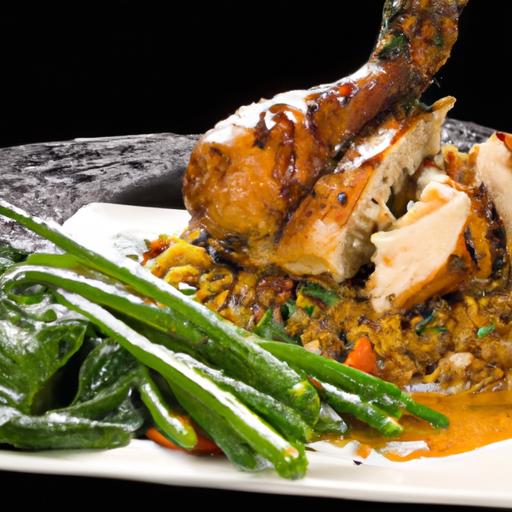

In the world of culinary delights, few flavor combinations captivate the palate quite like the harmonious dance of sweet and spicy. Among the myriad dishes that embrace this dynamic duo, sweet and spicy chicken stands out as a vibrant testament to balance and contrast. This culinary masterpiece challenges chefs and home cooks alike to weave together opposing tastes into a seamless symphony-where the heat tingles just enough to ignite, and the sweetness soothes with perfect grace. Join us as we explore the art of balancing flavors, unlocking the secrets behind crafting chicken that sings with both sugar and spice, delighting every bite with complexity and charm.
Balancing flavors starts with a keen understanding of how sweetness and heat interact to create an unforgettable sweet and spicy chicken dish. This delicate interplay is both art and science – where each ingredient plays a vital role in producing harmony on the palate.Whether you crave a gentle warmth that lingers or a bold, fiery kick softened by caramel notes, mastering this balance elevates your cooking from everyday to extraordinary.
Prep and cook Time
Readiness: 15 minutes | Cooking: 25 minutes | Total: 40 minutes
Yield
Serves 4 generously
Difficulty Level
Medium - Perfect for home cooks ready to experiment with flavor layering
ingredients
- 1.5 lbs boneless, skinless chicken thighs, cut into bite-sized pieces
- 2 tbsp vegetable oil (or avocado oil for higher smoke point)
- 3 tbsp honey, preferably raw or wildflower for complex sweetness
- 2 tbsp soy sauce (use low sodium to better control saltiness)
- 1 tbsp fresh ginger, finely grated
- 2 cloves garlic, minced
- 1-2 tsp chili flakes (adjust based on heat preference)
- 1 tbsp rice vinegar for acidity
- 1 tbsp sriracha or your favorite chili sauce
- 1/2 tsp smoked paprika for subtle smoky depth
- 1 tsp toasted sesame oil, added at the end for aroma
- Fresh cilantro and sliced scallions for garnish
- Sesame seeds for an optional crunch
Instructions
- prepare the chicken: Pat the chicken pieces dry with paper towels. This step is essential to ensure a crispy sear and to avoid steaming.
- Make the sauce: In a bowl, whisk together honey, soy sauce, rice vinegar, sriracha, grated ginger, minced garlic, chili flakes, and smoked paprika. Taste and adjust the chili flakes or honey if you prefer a sweeter or hotter profile.
- Heat the pan: Warm the vegetable oil in a large skillet over medium-high heat. Once shimmering but not smoking, add chicken in a single layer. Sauté until golden brown and cooked through, about 5-7 minutes, turning occasionally for even browning.
- Reduce heat and add sauce: Lower to medium heat and pour the prepared sauce over the chicken. Stir well, ensuring all pieces are coated evenly. Let it simmer gently until the sauce thickens and becomes glossy, about 3-4 minutes. Stir frequently to prevent burning.
- Finish with toasted sesame oil: Remove from heat and drizzle the sesame oil over the chicken. Toss lightly to infuse the nutty aroma without cooking it off.
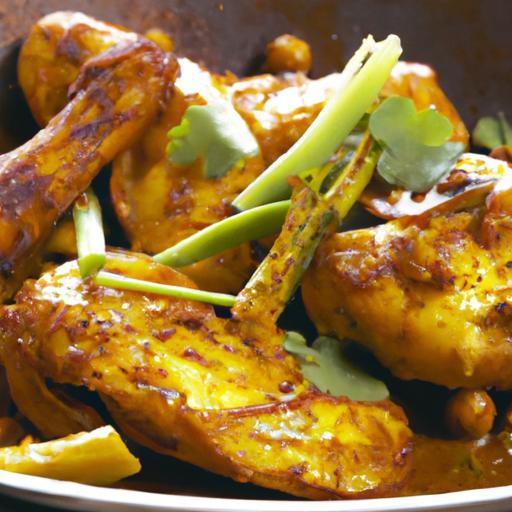
- Garnish and serve: Transfer to a serving plate. Top with fresh cilantro, sliced scallions, and a sprinkle of sesame seeds for contrast in color and texture.
Chef’s Notes
- For a lighter texture, substitute chicken thighs with boneless, skinless chicken breasts, but lower the cooking time to avoid dryness.
- Experiment with option sweeteners like maple syrup or agave to tweak the final flavor nuance.
- If you prefer a smoky heat, consider adding chipotle powder instead of chili flakes for deeper complexity.
- To achieve an extra glossy sauce, stir in 1 tsp cornstarch dissolved in 2 tbsp cold water near the end of cooking.
- This dish reheats beautifully – store leftovers in an airtight container, and gently warm over medium heat to preserve texture.
Serving Suggestions
This dish shines served over steamed jasmine rice or fluffy coconut rice, which absorbs the delightful sweet and spicy sauce perfectly. For a fresh contrast, plate alongside a crisp cucumber salad dressed with lime juice and a pinch of salt. garnishing with vibrant herbs like cilantro or Thai basil elevates both flavor and visual appeal.
For an extra textural pop, add toasted peanuts or cashews just before serving. This warm sweet and spicy chicken is ideal for sharing in casual dinners or impressing guests with a balanced Asian-inspired entrée.

| Nutrition | Per Serving |
|---|---|
| Calories | 350 kcal |
| Protein | 32 g |
| Carbohydrates | 18 g |
| Fat | 15 g |
To deepen your exploration of flavor balance, check out our Ultimate Sauces for Balance article.For further reading on mastering the science behind sweet and spicy combinations, visit Serious Eats.
Q&A
Q&A: Balancing Flavors – The Art of Sweet and Spicy Chicken
Q1: What makes sweet and spicy chicken such a beloved flavor combination?
A1: Sweet and spicy chicken captivates our taste buds by weaving together two contrasting yet complementary sensations. The sweetness tempers the heat, creating a harmonious dance of flavors that is both exciting and satisfying. this balance appeals to a wide range of palates, offering warmth without overpowering, and sweetness without cloying.
Q2: How do chefs achieve the perfect balance between sweet and spicy in chicken dishes?
A2: The secret lies in layering and timing.Chefs carefully select ingredients: think honey, brown sugar, or fruit juices for sweetness, paired with chili peppers, hot sauces, or pepper flakes for spice. They control the intensity by adding spice gradually and countering it with sweet elements, often finishing with acidic notes like lime or vinegar to brighten the dish and unify flavors.
Q3: What are some common sweet ingredients used in these recipes?
A3: Classic sweeteners include honey, maple syrup, brown sugar, pineapple juice, and hoisin sauce. These ingredients offer depth and complexity beyond simple sugariness, contributing a rich, sometimes fruity essence that complements the savory chicken and fiery spices.
Q4: Which spices or peppers best enhance the spicy side without overwhelming the sweetness?
A4: Milder chilis such as jalapeños or chipotle can offer warmth with smoky undertones, while fresh ginger and garlic add pungency that amplifies spice subtly. For those seeking more heat, cayenne or crushed red pepper flakes work well if balanced by a robust sweet element to prevent overpowering the palate.
Q5: Can sweet and spicy chicken be adapted for different cuisines?
A5: Absolutely! This interplay transcends borders. In asian cuisines, it might mean a sticky glaze featuring soy, ginger, and chili paste; in Latin styles, a combination of mango, habanero, and lime; or in Southern U.S. cooking, a mix of honey and hot sauce.Each culture adds its unique twist, demonstrating the global appeal of this flavor balance.
Q6: Are there tips for home cooks attempting to master sweet and spicy chicken?
A6: Start with a base sweetness and add spice incrementally-taste as you go! Consider marinating the chicken to infuse flavors early and finish with a glaze to enhance both taste and texture. Balancing acidity with a squeeze of citrus or a splash of vinegar can brighten the dish and tie the elements together perfectly.
Q7: Why dose balancing sweet and spicy flavors enhance the overall dining experience?
A7: When balanced beautifully,sweet and spicy flavors create a dynamic sensory experience-warming the palate,awakening the senses,and leaving a memorable impression. This balance encourages a rhythm of flavor that keeps diners engaged, craving the next bite without overwhelming or tiring the taste buds.
Q8: Beyond taste, how does the sweet and spicy combo impact the presentation of a chicken dish?
A8: The glossy sheen of a sweet glaze combined with vibrant red chili flakes or a sprinkle of fresh herbs creates visual appeal that entices before the first bite.The interplay of textures-crispy outside, tender inside-paired with the allure of contrasting flavors makes sweet and spicy chicken a feast for both the eyes and the palate.
Through thoughtful choice and measured blending, sweet and spicy chicken becomes more than just a meal-it becomes an artful party of flavor harmony.
The Conclusion
Mastering the delicate dance between sweet and spicy flavors transforms a simple chicken dish into a memorable culinary experience. It’s an art that invites creativity, encouraging you to experiment with the bold heat of chili peppers and the comforting warmth of honey or brown sugar. Whether you lean toward a subtle hint of spice or a fiery kick balanced by sweetness,the key lies in harmony-each bite revealing a story of contrast and complement. So next time you embark on your cooking adventure, remember: balancing flavors isn’t just about taste, it’s about crafting a narrative on your plate that delights and surprises with every mouthful.